
The Hidden Hero of Electrical Safety: Why Insulation Sleeves Are Often Overlooked
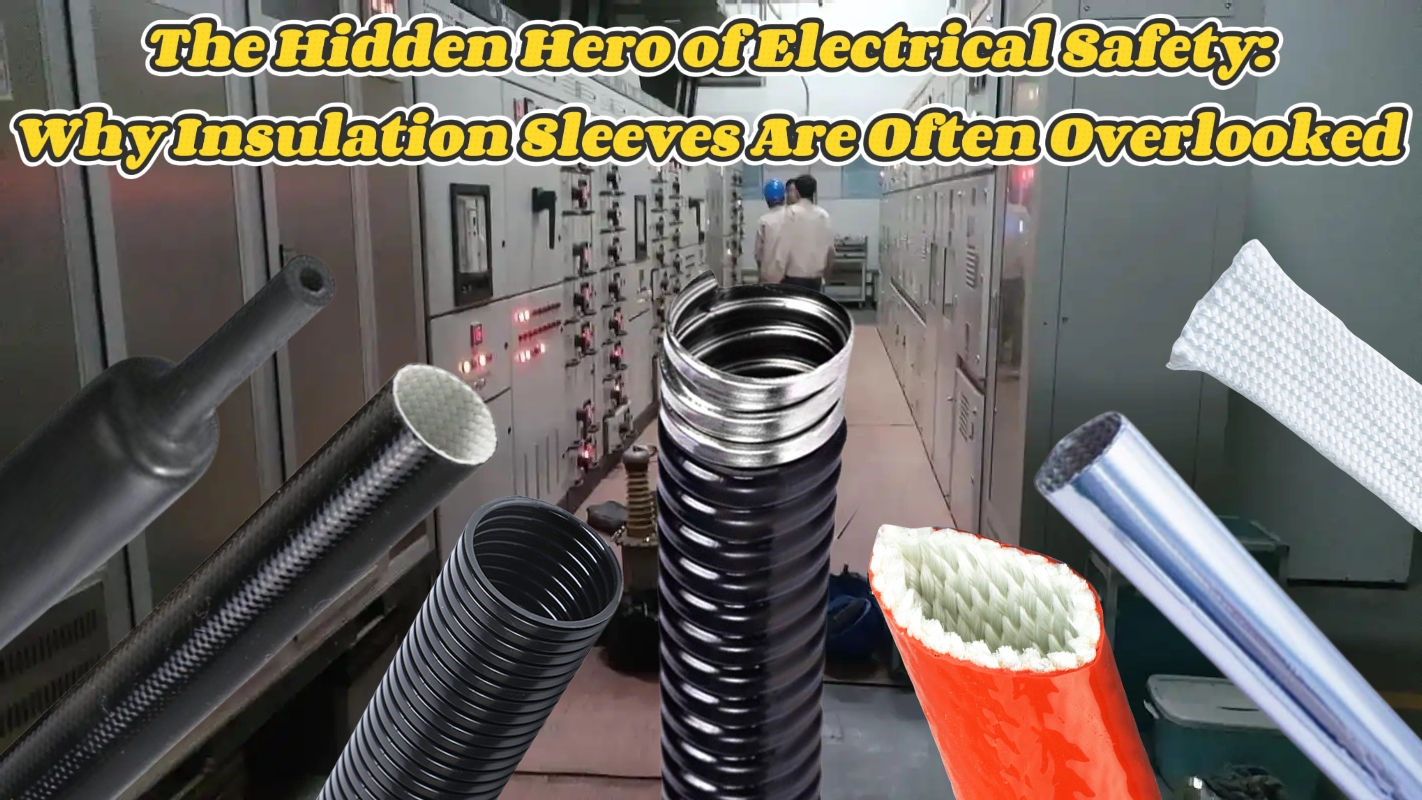
Nowadays, the awareness of electrical safety is deeply rooted in people’s hearts, and the insulation sleeves have long been fully popularized. Whether it is home wiring or industrial circuits, you can see it. However, popularization does not mean being valued, and common use does not mean being recognized.
Circuit breakers and leakage protectors have attracted much attention in electrical safety, while the protective value of insulating sleeves is often ignored.
What are the Insulation Sleeves?
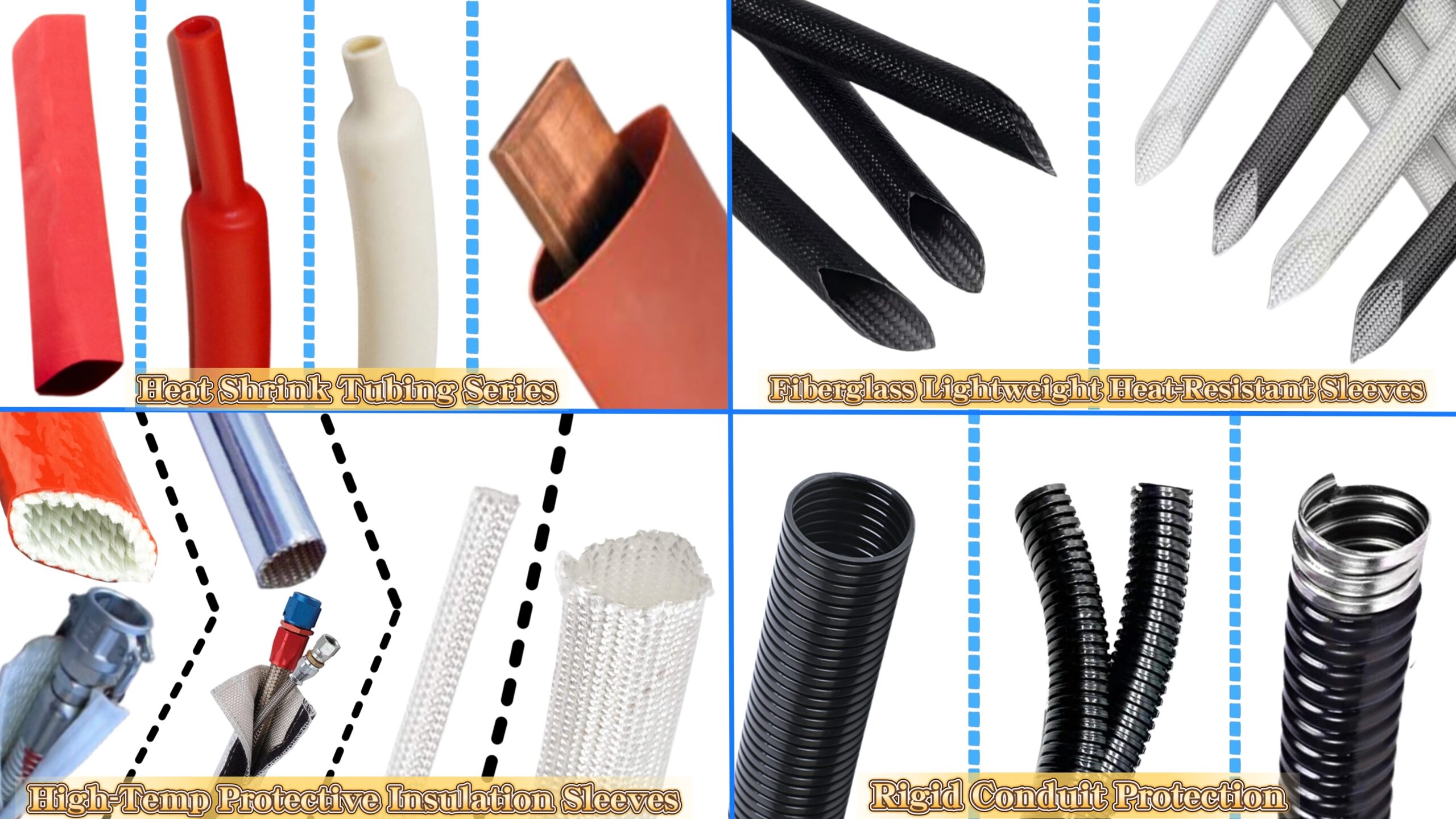
Insulating sleeves are installed on the outer side of cables, primarily serving to isolate conductors and reduce damage to wire harnesses caused by friction, high temperatures, and other factors, thereby providing a basic layer of protection for electrical circuits. Currently available insulating sleeves on the market can be broadly categorized into four types, each suited to different applications.
| Field Working Condition | Recommended Sleeve Product | Install Without Disassembling Cables |
|---|---|---|
| General insulation & harness organizing | Single wall heat shrink tubing | × |
| Waterproof sealing for wiring joints | Dual wall heat shrink tubing | × |
| Copper busbar insulation protection | Busbar heat shrink tubing | × |
| High-temp environment, flexibility required | Silicone heat shrink tubing | × |
| Insulation for general high-temp zones | Fiberglass sleeving | × |
| Anti-scratch & anti-compression for harness | Corrugated flexible conduit | × |
| Flexible moving parts, retrofitting needed | Double wall corrugated pipe | √ |
| Heavy-duty compression & impact resistance | PVC coated galanized steel flexible conduit | × |
| Sustained high-temp, no flame / slag | Fiberglass heat sleeve | × |
| Exposed to open flame & molten-slag splashes | Silicone coated fiberglass sleeving | × |
| Open-flame environment, field rework needed | Fire sleeve with velcro | √ |
| Reflect radiant heat for heat isolation | Aluminum foil fiberglass sleeve | × |
| Heat-radiation reflection & field rework | Aluminum foil fiberglass sleeve with velcro | √ |
| Operating temperature above 500℃ | Fiberglass sleeve | × |
| Ultra-high-temp ~1000℃ | High silica sleeving | × |
Why are Insulation Sleeves Often Overlooked?
If we consider the motor and the switch as the core components of the equipment, the insulating sleeving is more like a supporting accessory in the background. Multiple factors contribute to its frequent neglect:
1. Risks have a lagging nature: When the protection of the insulation sleeves fails, it won't immediately cause obvious faults.
2. Priority given to design stage is low: During the design process, engineers mostly focus on verifying the performance of the main equipment, and the insulating sleeving is placed in a secondary position.
3. Faults are concealed and difficult to detect in advance: The aging and damage of insulation sleeves are a slow process, which is difficult to notice in the early stage. It’s usually not until a short circuit or equipment shutdown accident occurs that the oversight in cable protection will be identified through reverse investigation.
4. Selection often deviates from actual working conditions: Although there are a wide variety of insulating sleeving types on the market, many projects still ignore the actual working conditions and ultimately do not select the protective products that are suitable for the site.
What Happens When Insulation Sleeves Are Overlooked
The consequences of neglecting insulation sleeves don’t manifest immediately, unlike a circuit breaker tripping. But when problems do arise, the cost is often far greater than expected.
Will cables age faster?
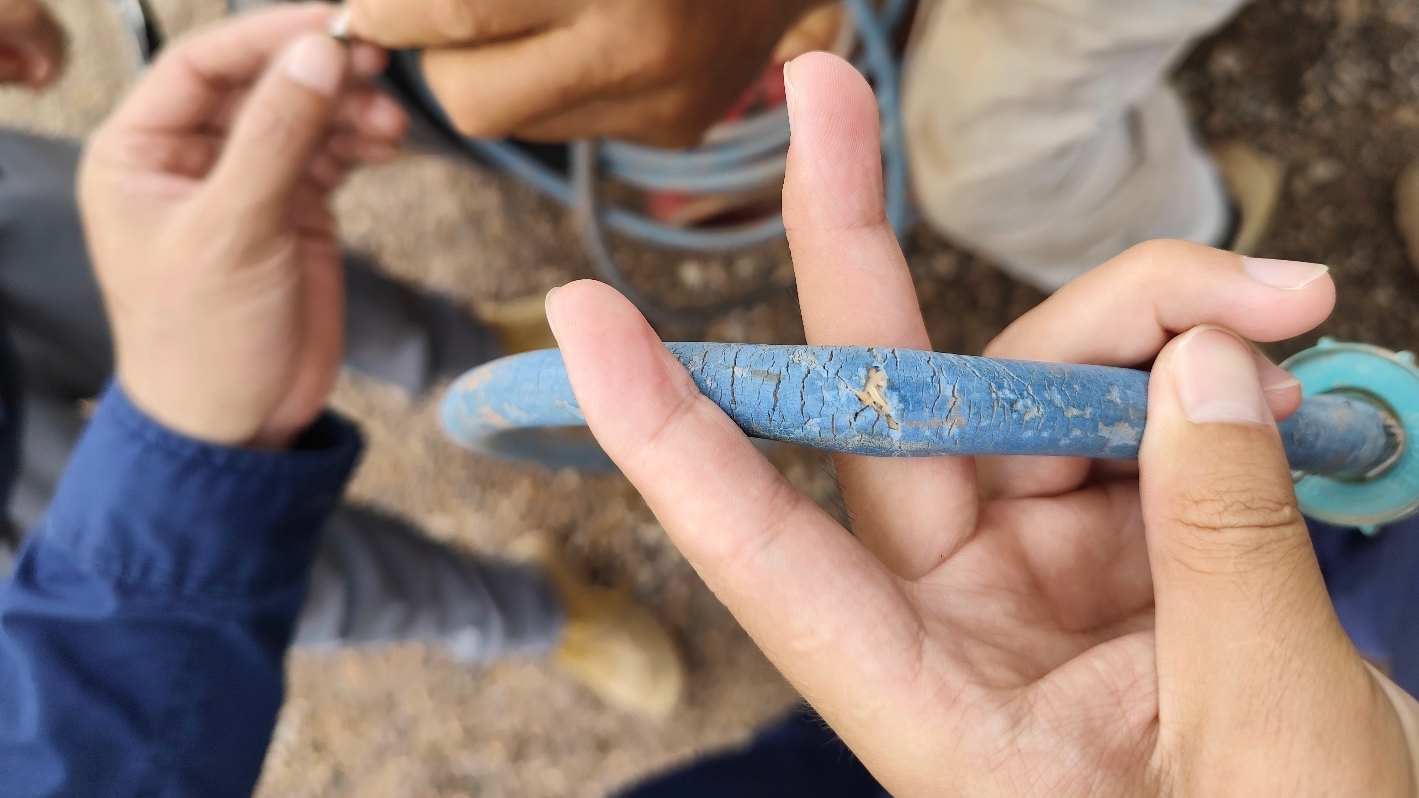
Yes. Without a qualified insulation sleeve for isolation, the cable is directly exposed to high temperature, dust or slight friction, and the insulation layer will slowly become hard and brittle. The cable, which could have been used for ten years, may not work in three or five years.
Can minor hazards really accumulate into major failures?
It’s very possible. After the insulation sleeve is broken, the cable loses protection, and small metal debris or water vapor takes advantage of the void. At first, it may only be occasional leakage or signal interference, but over time, short circuit, shutdown and even fire may occur. At this time, looking back and investigating, it’s often found that the root cause is the insulated sleeve that has been broken for a long time but no one has replaced it.
How much higher will maintenance costs be?
Once a failure occurs, it’s not just about replacing a cable. Downtime losses, labor for troubleshooting, and parts procurement delays add up to costs far exceeding those of a quality insulation sleeve.
What happens if the wrong type is selected?
Using an incorrect insulating sleeve is like installing one in vain. In normal temperature environments, a single wall heat shrink tubing might work, but using it in high-temp areas will quickly result in cracking and melting—offering no real protection. You’ve spent money and effort, yet the cables still remain unprotected.
Simply put, the cost of ignoring insulation sleeves is this: you don’t see the problem until it’s too late.
Tips for Insulation Sleeves Selection
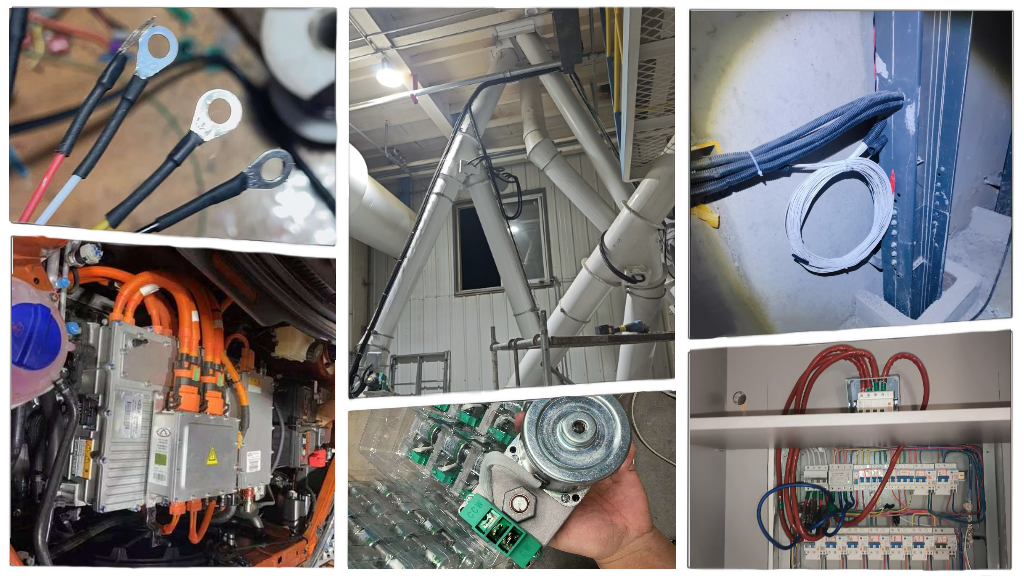
Many people focus only on the product name when selecting insulation sleeves, overlooking actual field conditions. This is a common reason why sleeve protection fails to meet expectations.
When making a selection, pay close attention to several key factors in the field:
For wiring joints that require moisture sealing, dual wall heat shrink tubing provides a more suitable construction.
For general high-temperature areas, fiberglass sleeving is a practical insulation option.
Where a harness needs protection from abrasion or compression, corrugated flexible conduit can provide added mechanical protection.
For open-flame environments that also need field rework, consider a fire sleeve with Velcro.
For installation guidance, see how to use heat shrink tubing.
1. The actual operating temperature around the cable.
2. Whether the wire harness is frequently subjected to compression or impact.
3. Whether the equipment has already been assembled and whether the existing wire harness can be disassembled.
Conclusion
Insulation sleeves are the unsung heroes of electrical safety—widely used yet often overlooked, silently safeguarding circuit integrity at all times. Now is the time to give this invisible guardian the recognition it deserves. Xiamen QX as a professional cable protective sleeve manufacturer, if you still have any questions, please feel free to talk to us.
FAQ
Q: What are the insulation sleeves?
A: The protective accessories on the outside of cables are mainly used to isolate the conductor, reduce the damage to the wire harness caused by friction, high-temp, etc., and provide outer protection for the line.
Q: Will the aging speed of the cable accelerate if the insulating sleeving is ignored?
A: Will. Lack of insulating sleeving protection, the cable is eroded by high-temp, dust and friction for a long time, the insulation layer is easy to become hard and brittle, and the service life is greatly shortened.
Q: Will small hidden dangers really accumulate into big malfunctions?
A: It’s very possible. After the sleeve is broken, water vapor and debris invade the cable. At the beginning, it only leaks electricity and signal interference, which can cause short circuit, shutdown and even fire in the long run.
Q: How much will the maintenance cost increase if the insulated sleeve is ignored?
A: After the failure outbreak, the comprehensive cost of production stoppage loss, manual troubleshooting, cable replacement, etc. is much higher than the investment of high-quality insulating sleeves themselves.
Q: What are the consequences of improper selection of insulating sleeves?
A: The casing can’t adapt to the working conditions, and it will soon lose its effectiveness. The protection is the same as the virtual setting, which not only wastes procurement and installation costs, but also the hidden danger of cable safety.
Q: How to choose the insulating sleeve correctly?
A: Give priority to checking the on-site working conditions: cable working temperature, wire harness squeezing and bumping, whether the wire harness can be disassembled, and then match the casing products of the corresponding material.
Hey there, I’m Celia!

Get A Quote


Related Post You May Also Like

Best Cable Sleeves for Home Office Cable Management
[pac_divi_table_of_contents included_headings="off|on|on|off|off|off" exclude_headings_by_class="on" active_link_highlight="on" level_markers_3="icons" title_container_padding="10px|15px|10px|15px|true|false" title_container_bg_color="#333333" body_area_height="650px"...
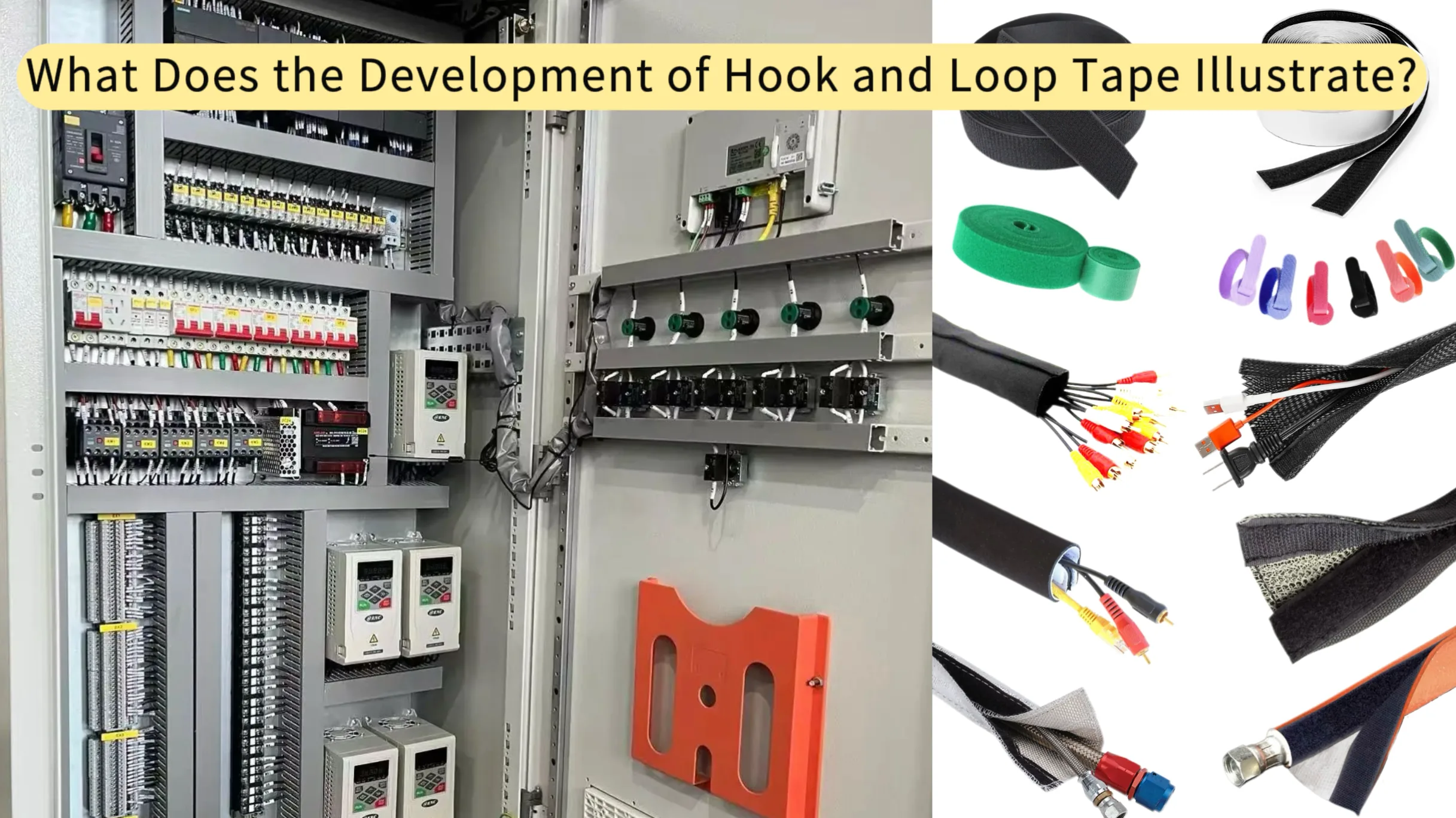
What Does the Development of Hook and Loop Tape Illustrate?
[pac_divi_table_of_contents included_headings="off|on|on|off|off|off" exclude_headings_by_class="on" active_link_highlight="on" level_markers_3="icons" title_container_padding="10px|15px|10px|15px|true|false" title_container_bg_color="#333333" body_area_height="650px"...
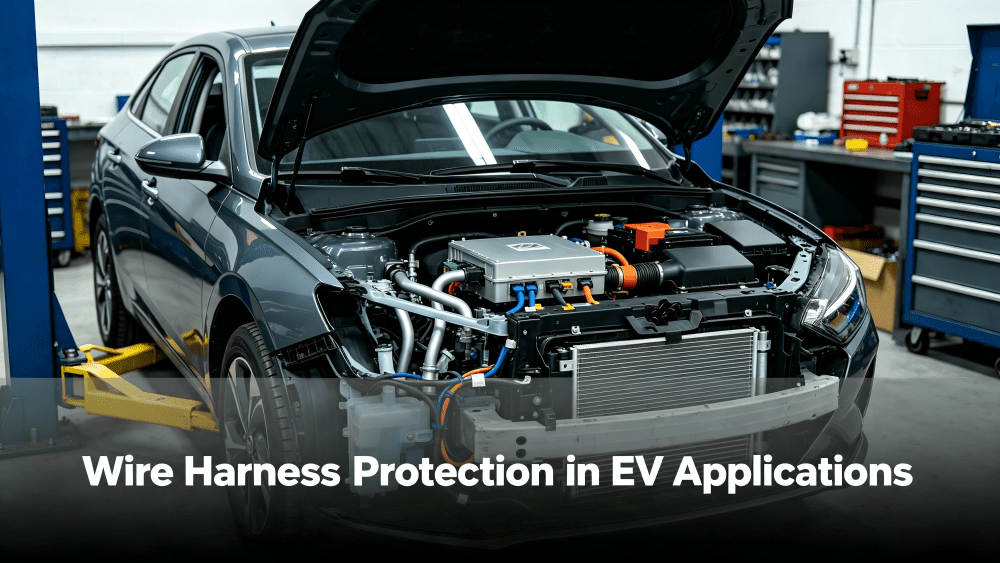
Wire Harness Protection in EV Applications
[pac_divi_table_of_contents included_headings="off|on|on|off|off|off" exclude_headings_by_class="on" active_link_highlight="on" level_markers_3="icons" title_container_padding="10px|15px|10px|15px|true|false" title_container_bg_color="#333333" body_area_height="650px"...
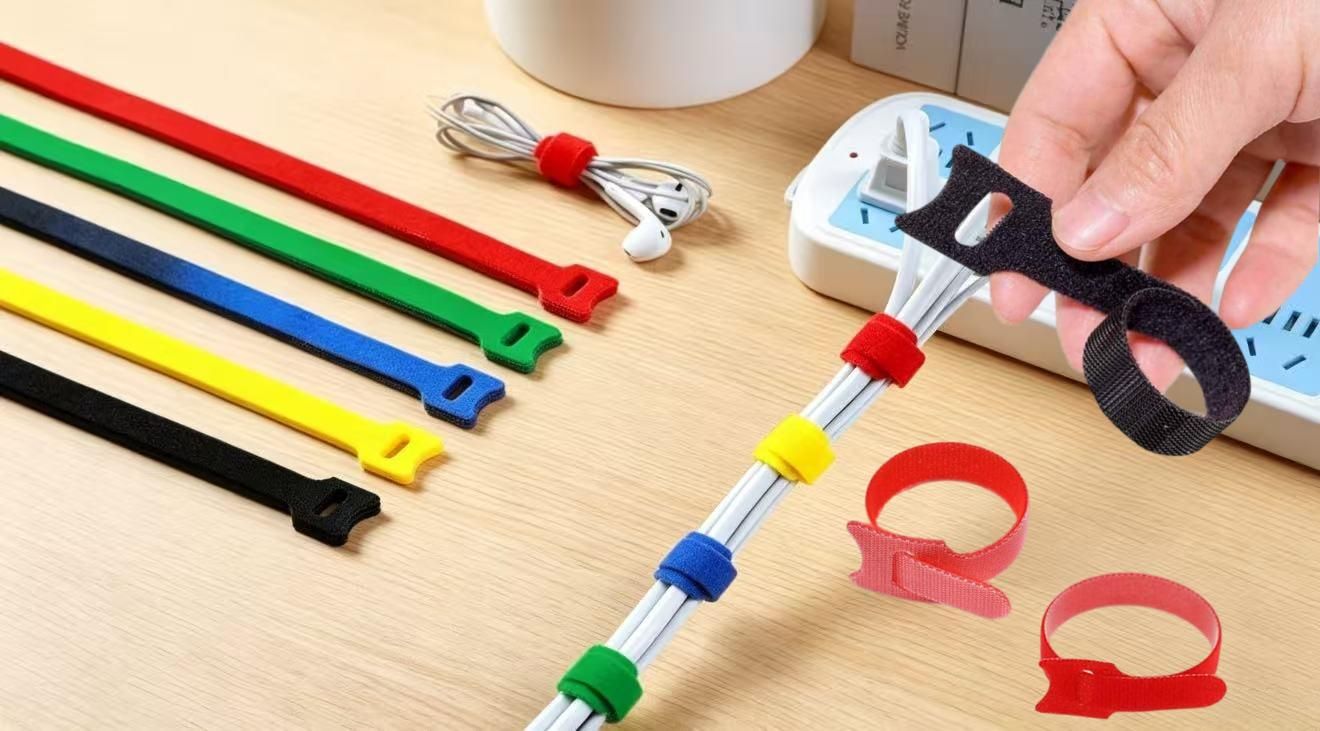
Velcro Cable Ties for Cable Management: Reusable and Easy to Us
[pac_divi_table_of_contents included_headings="off|on|on|off|off|off" exclude_headings_by_class="on" active_link_highlight="on" level_markers_3="icons" title_container_padding="10px|15px|10px|15px|true|false" title_container_bg_color="#333333" body_area_height="650px"...
0 Comments