
What Does the Development of Hook and Loop Tape Illustrate?
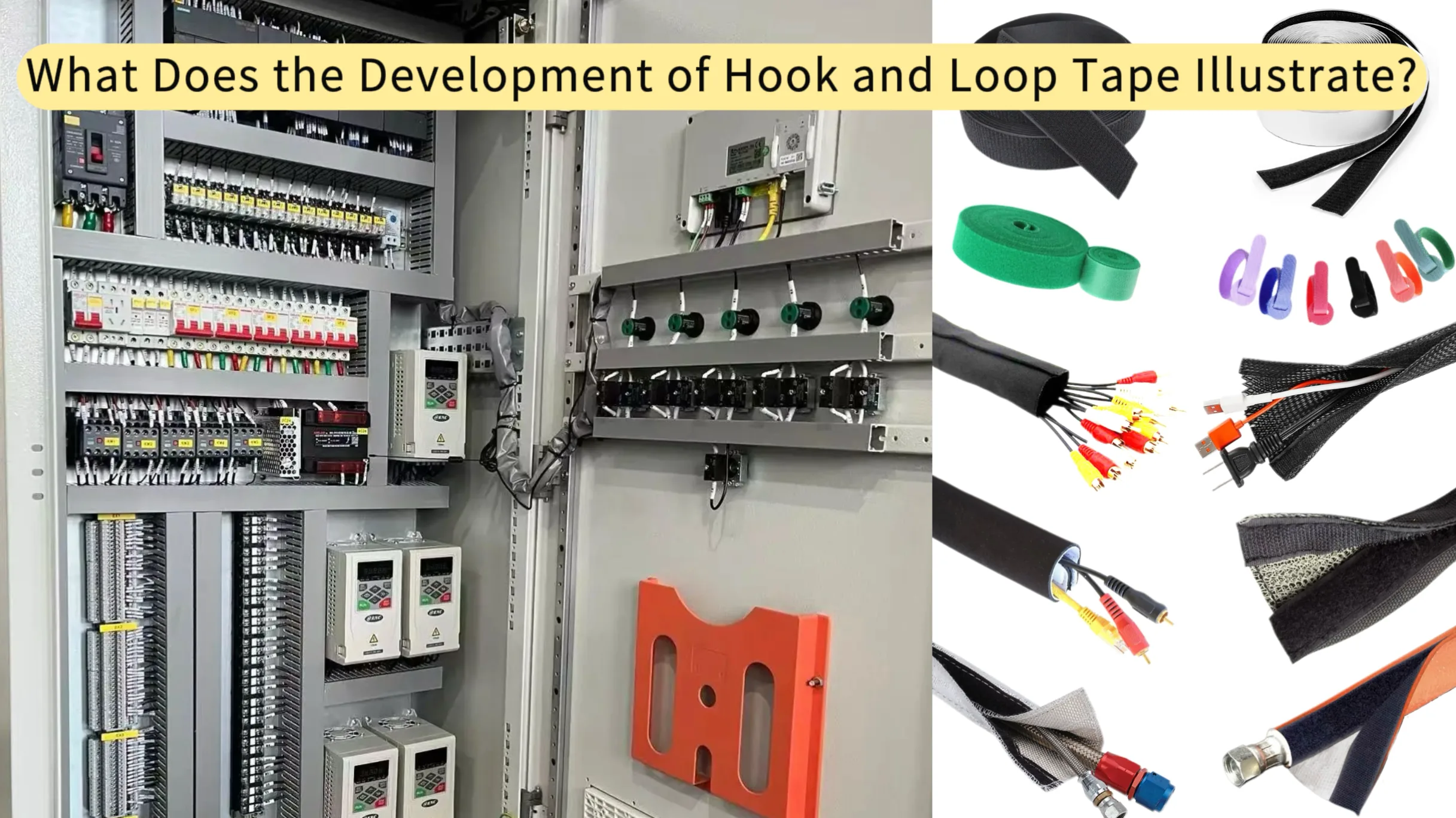
People who have stayed in the workshop or equipment maintenance site should have encountered this situation. The harness needs to be adjusted, but the nylon cable tie that has just been tied up can only be cut and thrown away. If you want to fix a small part on the cabinet panel, you have to drill holes, and drilling will affect the integrity of the equipment surface.
Although these small things are inconspicuous, they occur repeatedly, which inevitably affects the efficiency of work. The development of hook and loop tape is actually constantly responding to these practical problems on the spot.
What Is Hook and Loop Tape: From Burdock Burr to Fastener
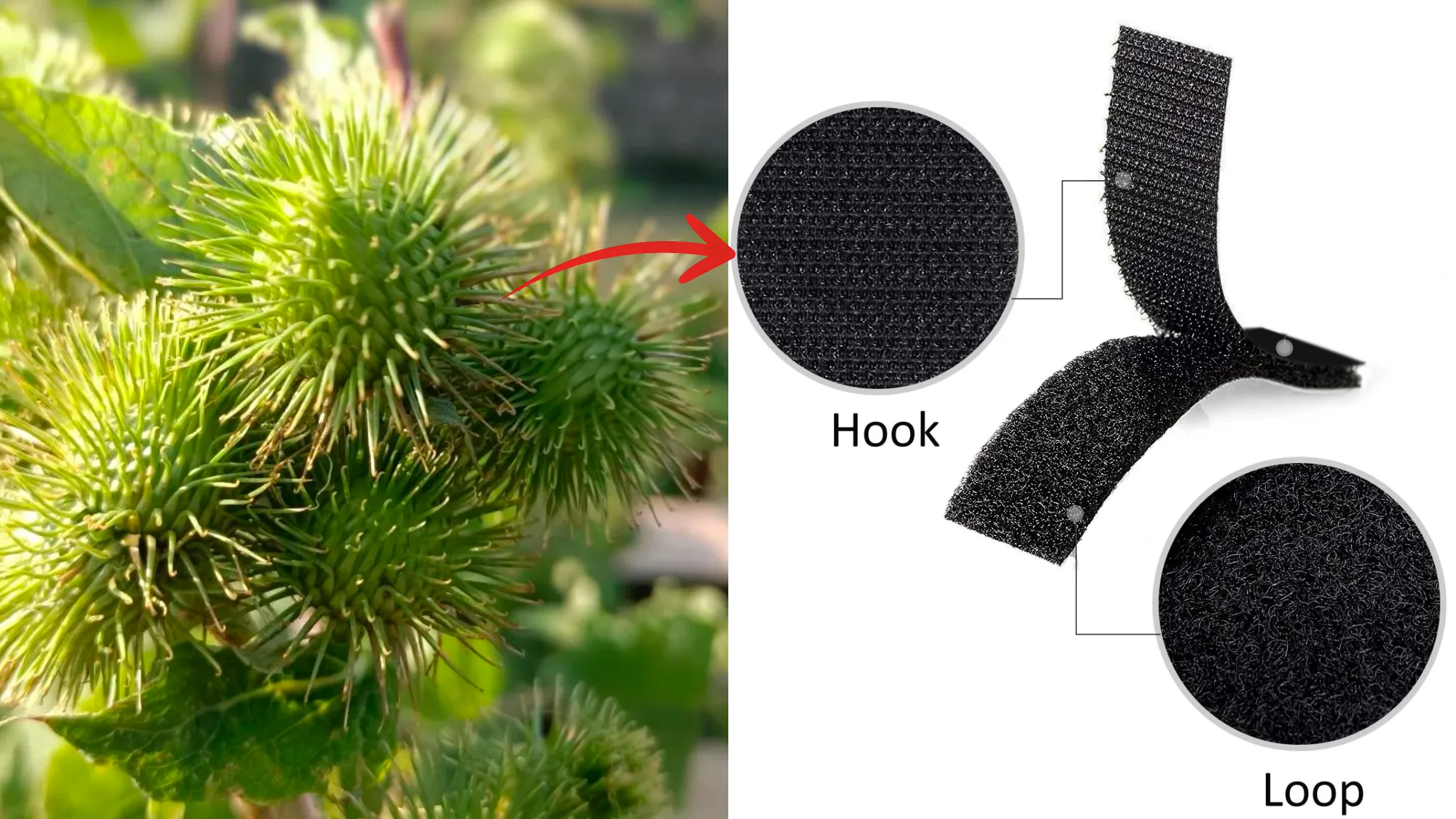
Many people have heard this story: when a Swiss engineer was walking his dog, he found that his pants and dog hair were covered with burdock burrs. Observed under the microscope, the burr was covered with small hooks, hooking the fiber loop on the trousers. He spent ten years of repeated testing with nylon to develop an artificial hook-and-loop structure.
This incident occurred in the 1940s and 1950s, but its fastening principle that can be opened and closed repeatedly and reused has been used to this day, and a variety of solutions adapted to industrial sites have also been derived.
Ditch Single-Use Ties
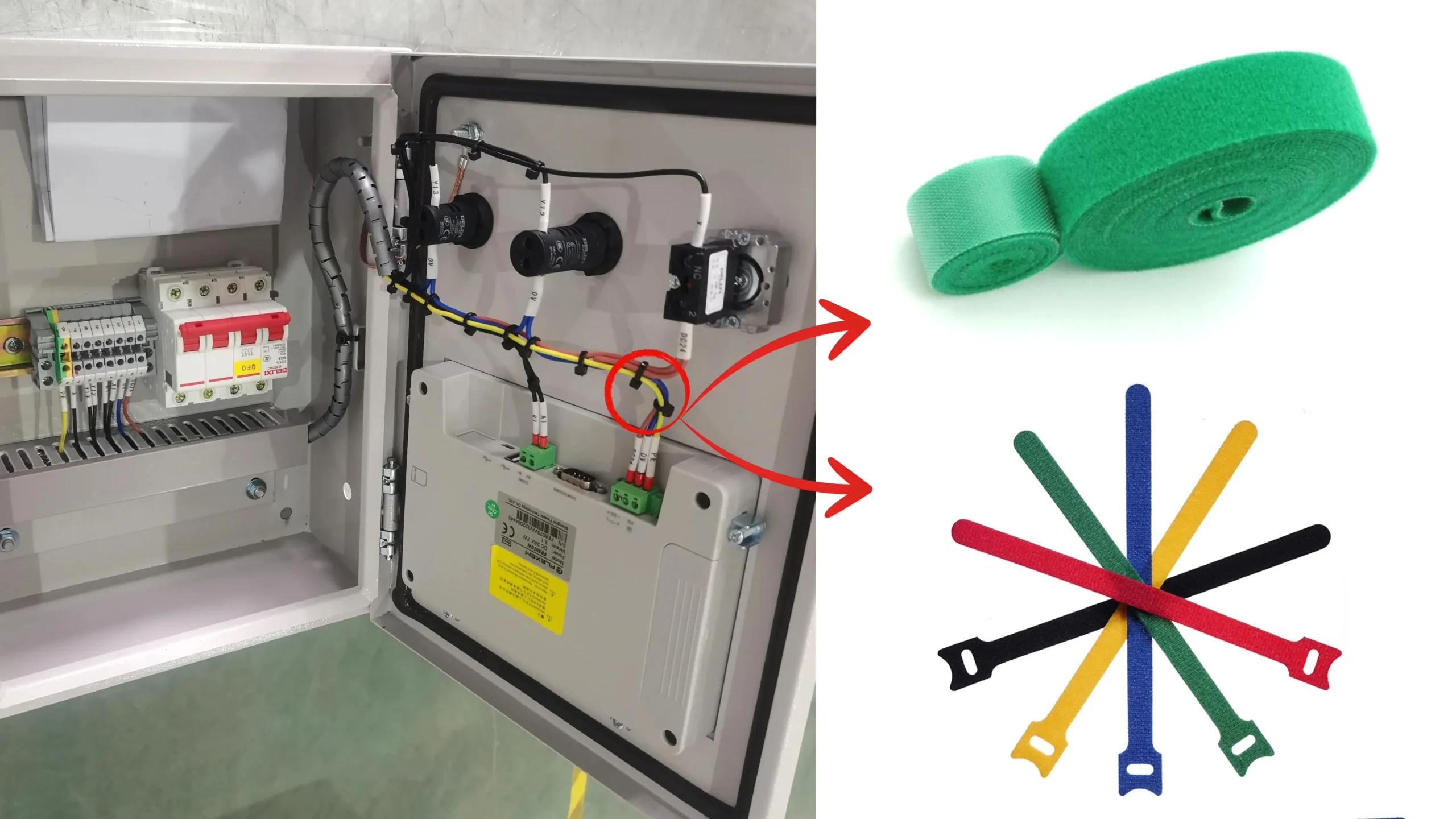
The nylon cable tie bundle is indeed fast, but it can only be used once. Every time the line is overhauled and the cable is added, it must be cut and discarded. There will be residual waste on the hand, and the new tie will have to be replaced. Repeated disassembly and installation will result in additional materials and labor loss.
The back to back hook and loop tape and hook and loop cable tie can be opened and closed repeatedly and reused without cutting. It is more convenient to check and modify the line, and there will be no such additional costs.
Drill-Free Mounting
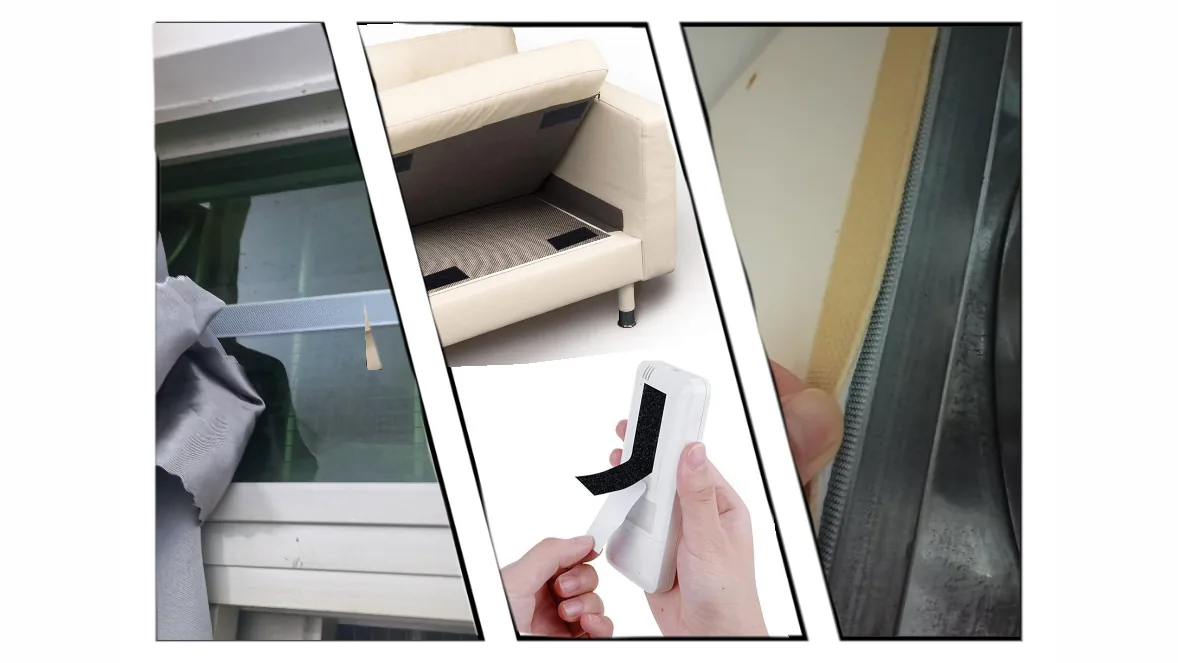
Some on-site working conditions cannot be drilled, and they are not suitable for sewing and fixing. For example, fixing the lightweight control box on the smooth sheet metal panel and temporarily fixing the wire clip on the side of the equipment, drilling will damage the surface of the equipment and easily damage the internal accessories.
And the adhesive hook and loop tape just solves these problems: tear off the paper, stick it on the clean metal or plastic panel and press it a few times to fix it. Remove it directly when disassembling, leaving no traces and no damage to the equipment, and easily realize the fixing scheme that can be disassembled without drilling.
Give Cables Room to Move
In addition to static fixation, there is another problem of harness bundling in a vibration environment.
Vibration is inevitable in vehicles, ships or near large motors. Use a tie to lock the wire harness at a fixed point, and there is no room for activity. When the temperature changes, the material expands and shrinks, and the cable will also be pulled. The same applies to the metal buckle. There is no room for expansion and contraction after locking, and it is also easy to wear out the line.
The elastic hook and loop strap is combined with the elastic webbing and hook-and-loop bite structure to achieve adjustable elastic fastening. The vibration can be buffered, and the cable will not be pulled hard when the heat expands and shrinks.
Sleeving That Opens on Demand
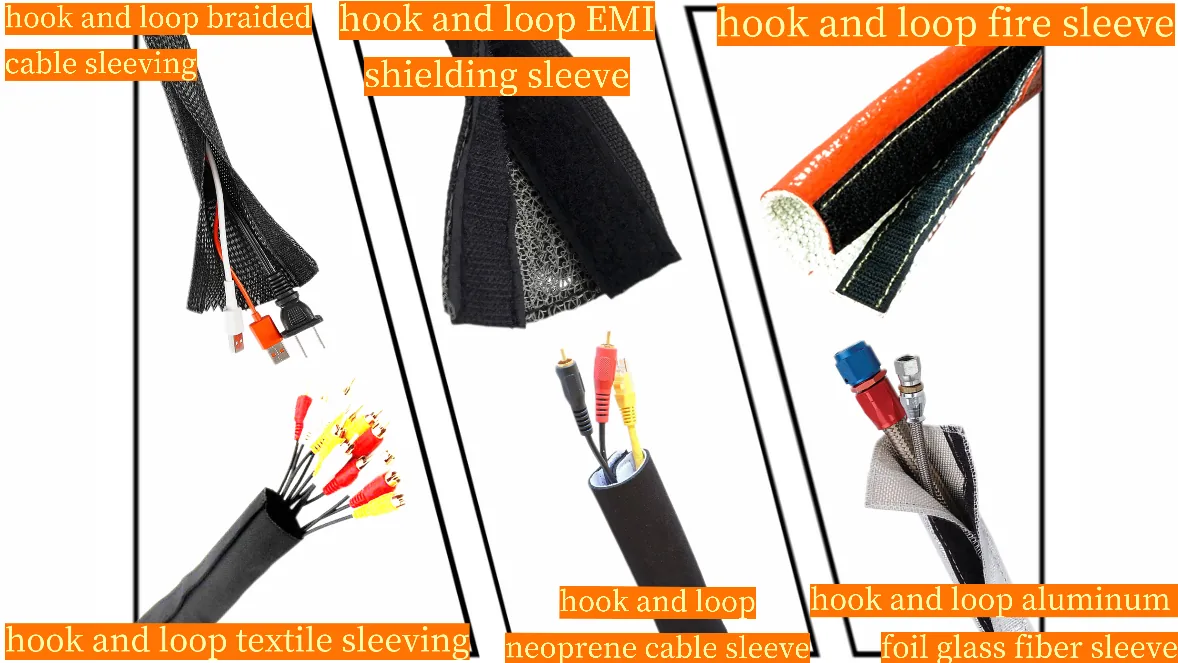
The opening and closing idea of hook-and-loop can also be used for wire harness protection. Cables and pipelines are wired inside the equipment, which often need to be wear-resistant, high-temp resistance and anti-interference. At this time, cable sleeves should be used. There is a problem with ordinary closed sleeves: if the two ends of the harness have been connected, they cannot be inserted directly. During the maintenance, the whole wire harness has to be disassembled, which is very difficult.
And the side of the hook and loop sleeve is slit, which can be opened and closed by hook-and-loop. Wrap it directly on the outer layer of the harness, and it can be installed after applying the hook-and-loop. You don't need any tools to repair the line. You can tear off the hook-and-loop to view it. If the project needs frequent maintenance, and also needs to take into account a variety of protections such as soft cushioning, shielding, fire prevention, insulation, etc., you can choose a functional sleeve with a hook-and-loop opening and closing structure.
Custom Fit for Your Project
Hook-and-loop tape and hook-and-loop sleeves have standard sizes and colors, but industrial projects often have special requirements. Or the on-site spot size is not easy to match, or the specific identification color, flame retardant standard and environmental protection certification are required.
When encountering such special needs, we support customization and die-cutting deep processing.
Conclusion
The development of hook-and-loop has always responded to the actual needs of the front line of the field. If you encounter problems that can't be solved by standard products in the actual project, please contact us to talk about your needs.
FAQ
What is hook and loop tape?
It’s composed of hook surface and loop surface. It can be pressed, occluded, torn and separated, and can be opened and closed repeatedly. In industry, it’s mostly used for wire harness bundling, equipment fixing and cable protection.
Can the hook-and-loop sleeves withstand the high-temp environment?
It depends on the material. Ordinary nylon has limited temperature resistance. Close to the heating parts, it is recommended to choose high-temp resistance materials such as aluminum foil glass fiber or silicone glass fiber.
When should the hook and loop cable ties be used preferentially?
Hook and loop cable tie will be more suitable for scenes that require frequent overhaul and change of wiring harnesses.
Where is the adhesive hook and loop tape not suitable for use?
It can be used for clean and flat metal and plastic panels. Although the rough and powdery surface can be pasted, the adhesion will decrease. It is not recommended to use it on damp and oily surfaces, which will directly affect the bonding effect.
Can hook and loop tape be used to fix the harness in conditions with significant vibration?
Yes. For continuous vibration scenes such as vehicles, ships and large motors, it is preferred to use elastic hook and loop strap, relying on elastic buffering to prevent the cable from being pulled and worn.
Hey there, I’m Celia!

Get A Quote


Related Post You May Also Like
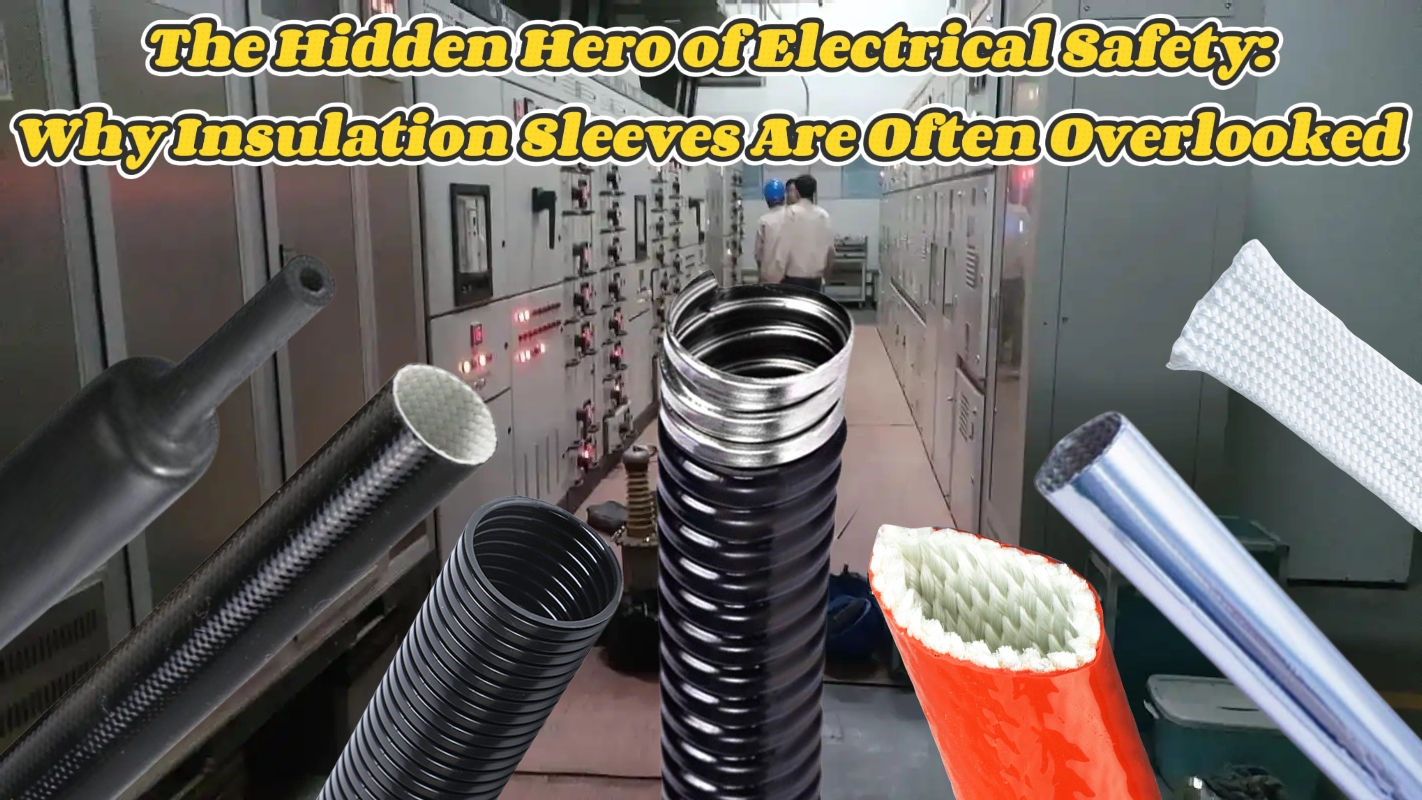
The Hidden Hero of Electrical Safety: Why Insulation Sleeves Are Often Overlooked
[pac_divi_table_of_contents included_headings="off|on|on|off|off|off" exclude_headings_by_class="on" active_link_highlight="on" level_markers_3="icons" title_container_padding="10px|15px|10px|15px|true|false" title_container_bg_color="#333333" body_area_height="650px"...

Best Cable Sleeves for Home Office Cable Management
[pac_divi_table_of_contents included_headings="off|on|on|off|off|off" exclude_headings_by_class="on" active_link_highlight="on" level_markers_3="icons" title_container_padding="10px|15px|10px|15px|true|false" title_container_bg_color="#333333" body_area_height="650px"...
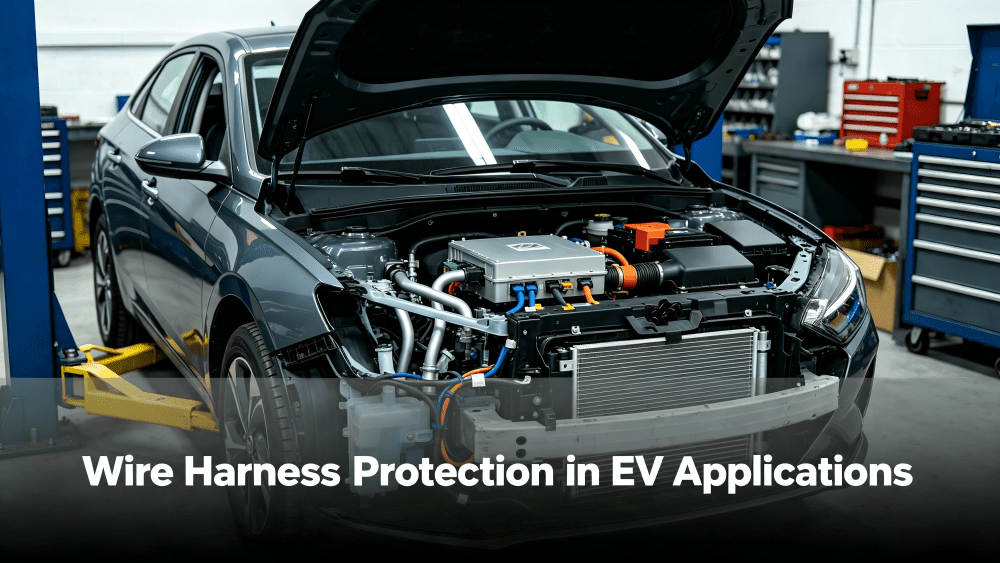
Wire Harness Protection in EV Applications
[pac_divi_table_of_contents included_headings="off|on|on|off|off|off" exclude_headings_by_class="on" active_link_highlight="on" level_markers_3="icons" title_container_padding="10px|15px|10px|15px|true|false" title_container_bg_color="#333333" body_area_height="650px"...
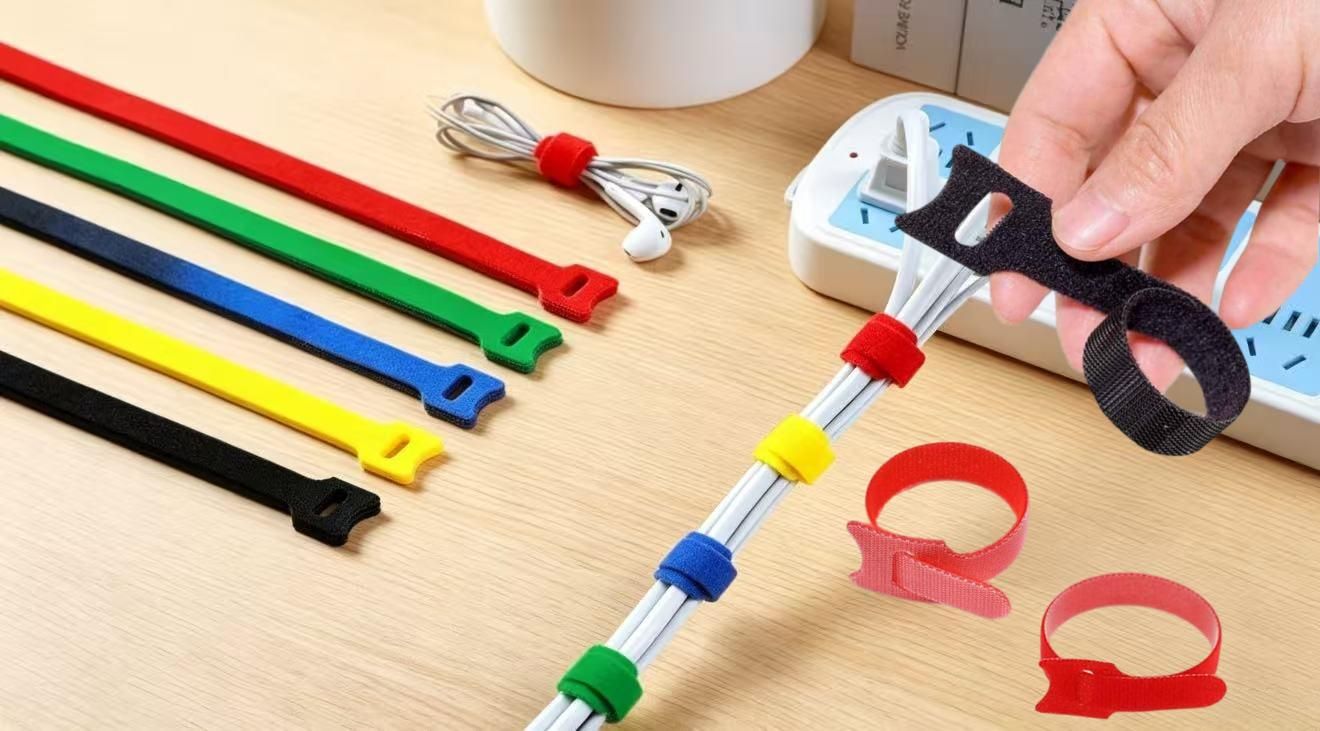
Velcro Cable Ties for Cable Management: Reusable and Easy to Us
[pac_divi_table_of_contents included_headings="off|on|on|off|off|off" exclude_headings_by_class="on" active_link_highlight="on" level_markers_3="icons" title_container_padding="10px|15px|10px|15px|true|false" title_container_bg_color="#333333" body_area_height="650px"...
0 Comments