
Spiral Cable Wrap vs. Split Corrugated Conduit: Which Cover Fits Your Harness?
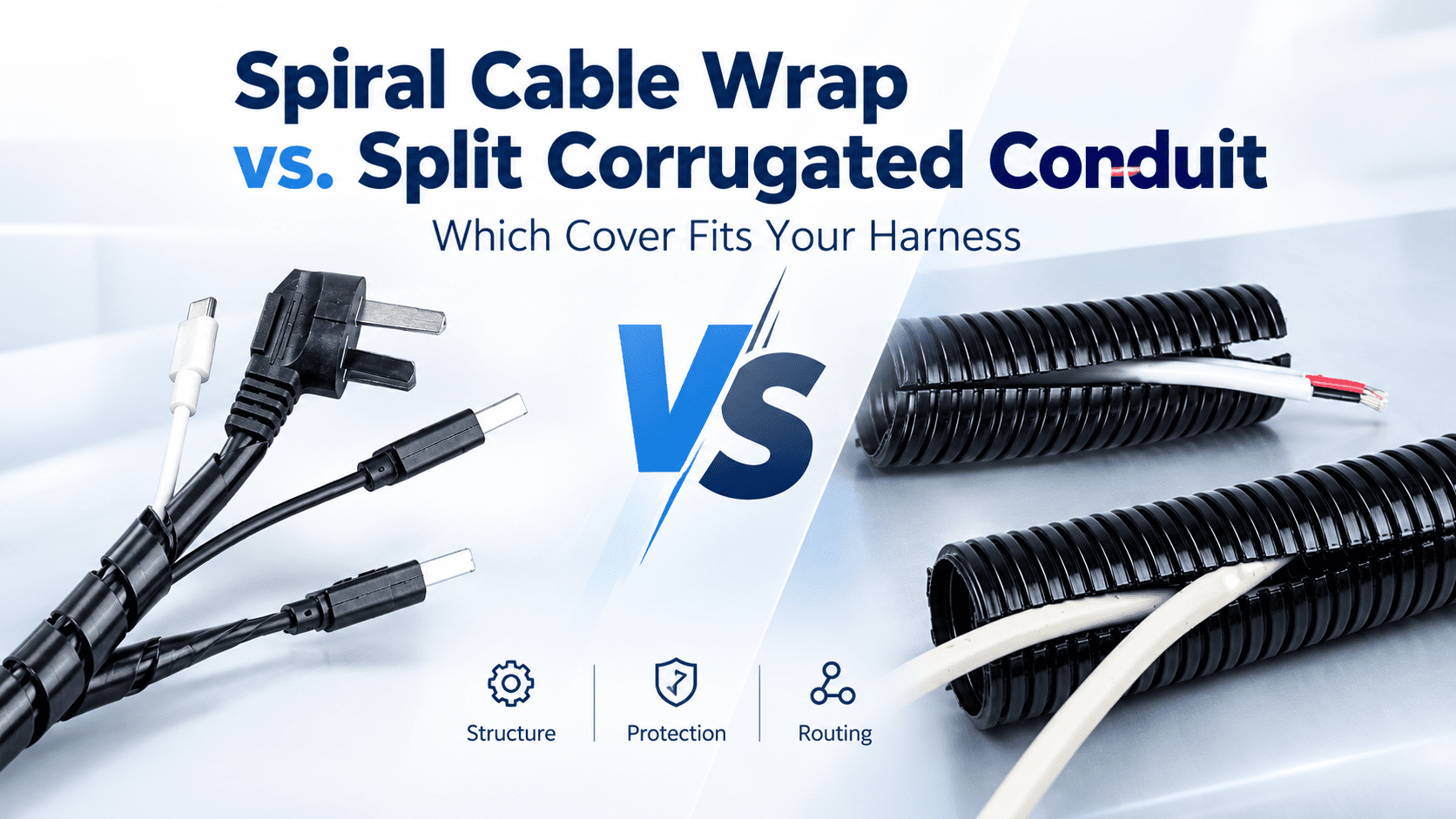
Difference in Structure
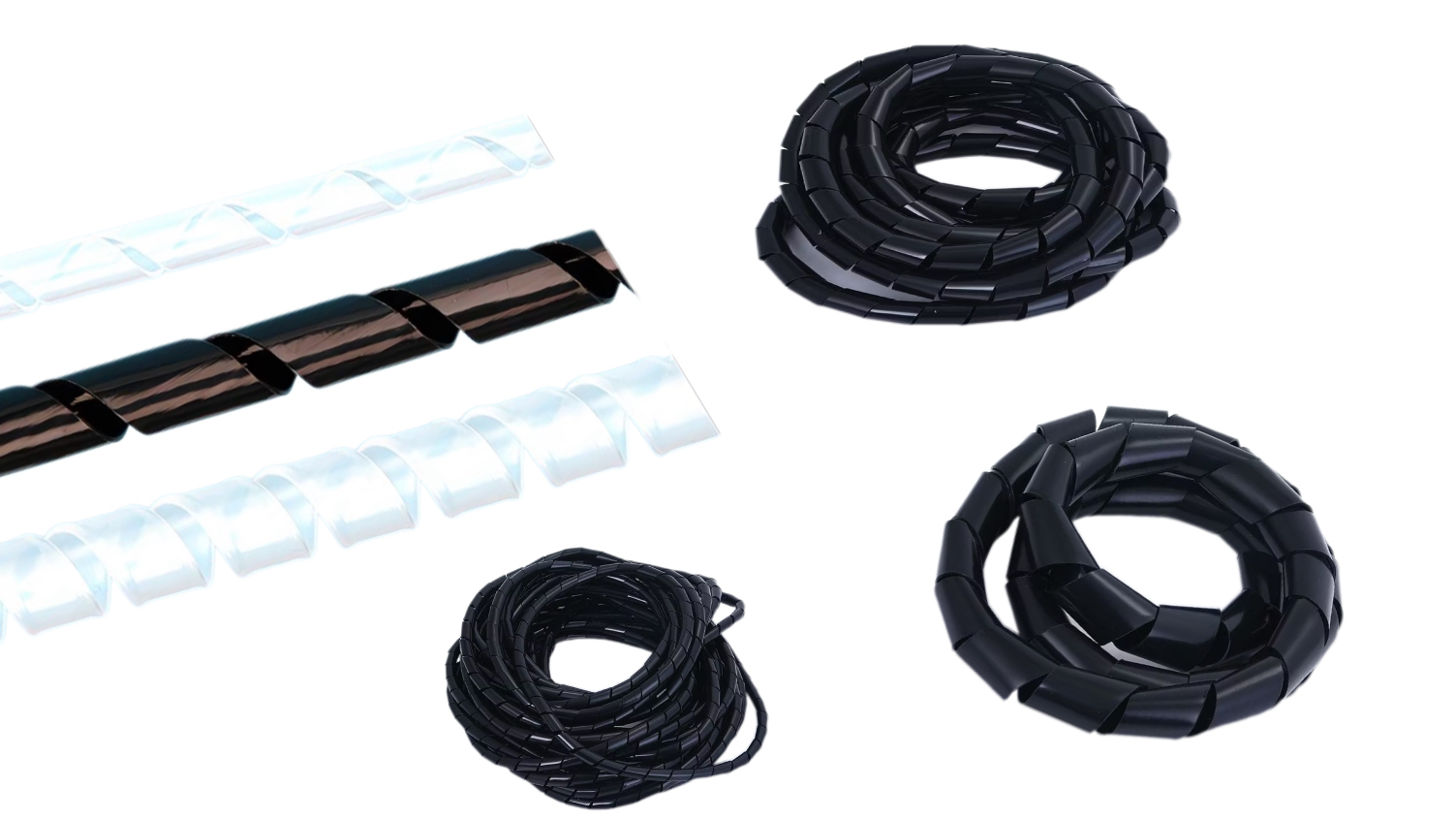
Spiral cable wrap is a wrapping structure. It around the outside of cable harnesses. You can pull a wire through these gaps at almost any point. It wraps again when the bundle changes.
Split corrugated conduit is a ribbed tube with a lengthwise slit. You can fit the existing bundle after open the slit.The corrugated wall gives the harness more continuous coverage than spiral wrap, while the slit makes side installation possible.
The terms need to be kept distinct: corrugated conduit may be supplied as a closed tube or as a split version. In this article, “split corrugated conduit” and “split loom” refer to the same side-entry product. They are not alternative names for spiral cable wrap.
| Feature | Spiral Cable Wrap | Split Corrugated Conduit |
|---|---|---|
| Structure | Helically wound strip with open gaps between turns | Ribbed tube with one lengthwise slit |
| How it is installed | Wound around the bundle | Opened along the slit and snapped around the bundle |
| Branch access | A wire can exit through the gaps at many points | Best when branch points are planned; ports or T-fittings may be needed |
| Coverage | Partial coverage between turns | More continuous circumferential coverage, except at the slit |

Branching and Installation: Which Is Easier to Work With?
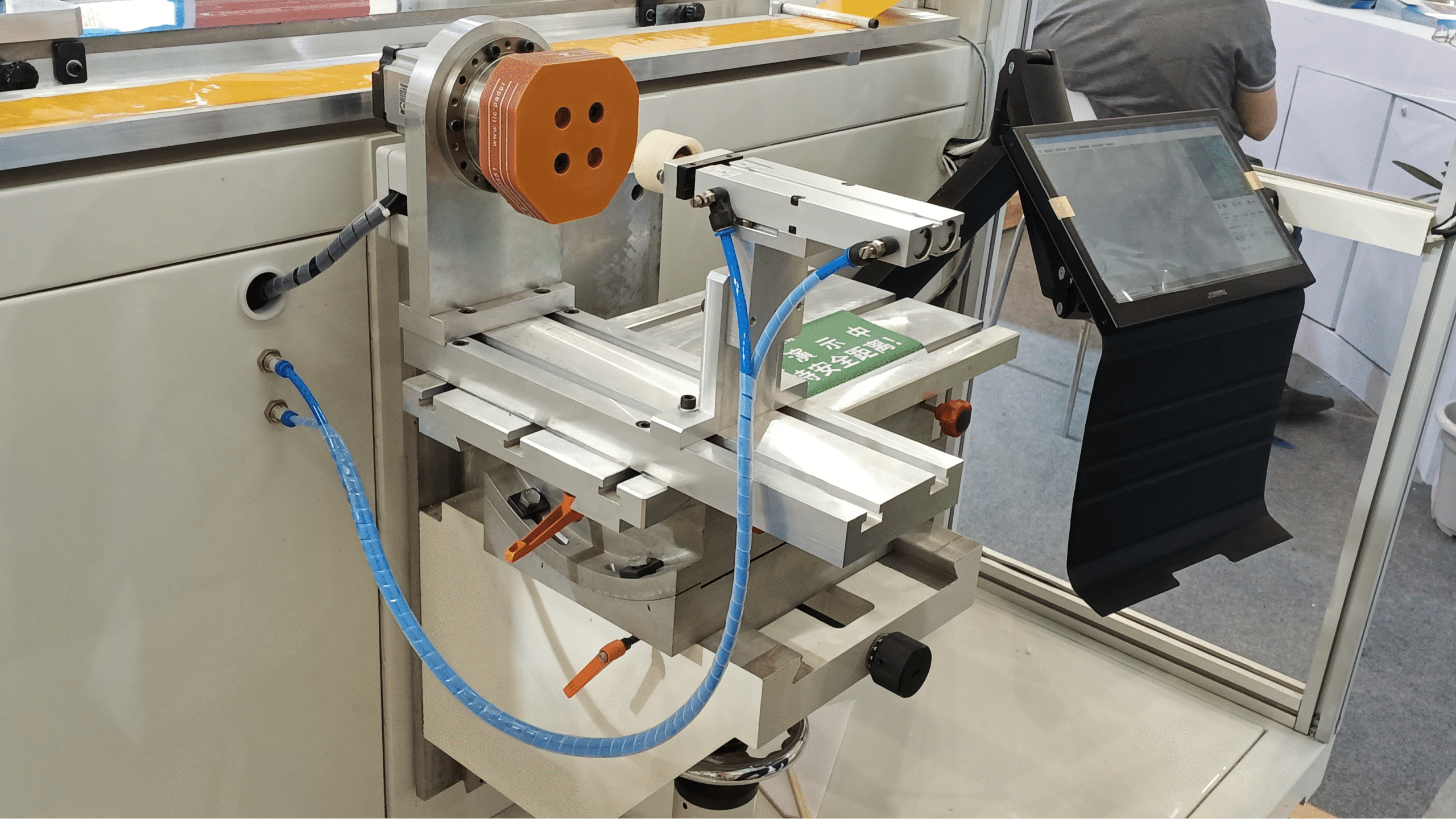
Split corrugated conduit: quick side installation
Split conduit is suitable for an already-terminated harness because it opens from the side. So it quickily to install along side cable. However, a branch cannot simply exit anywhere while preserving the tube structure. If the harness has planned breakouts, specify suitable ports, T-fittings, or other branch components before production.
In short, choose spiral wrap for flexible or changing branch locations. Choose split corrugated conduit for a more defined known in advance route
Material Options: What Is Commonly Used?
Spiral cable wrap have PE, PP PVC different materials. It has good elasticity and rebound force, which can tightly wrap the wire harness like a spring.
Split corrugated conduit have good elasticity, opening and closing memory. This material often focuses more on lightweight, flexibility. Since it cut open on one side.
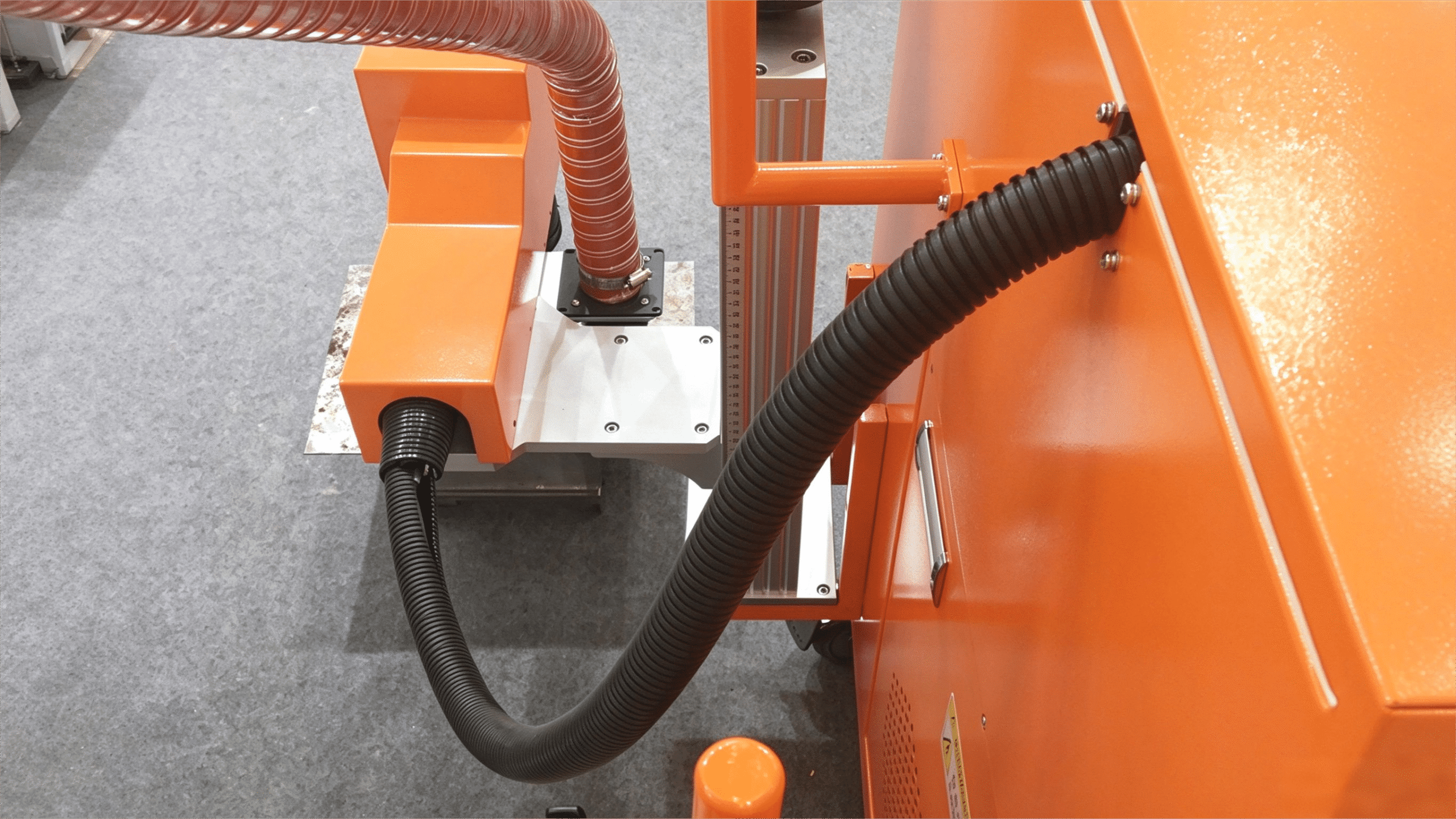
Side-by-Side Comparison
| Selection factor | Spiral Cable Wrap | Split Corrugated Conduit |
|---|---|---|
| Existing harness | Can be wound around a finished bundle | Can be snapped around a finished bundle from the side |
| Branch points | Flexible; wires can exit through gaps at different points | Best with planned branch locations and suitable fittings |
| Mechanical coverage | Open structure; lighter protection | More continuous ribbed wall; generally better for rubbing and contact |
| Dust and liquid | Open gaps; no barrier on its own | Slit and ends remain potential ingress paths; sealing depends on the complete system |
| Long straight runs | Can require more winding time | Usually quick to install along a defined route |
| Typical use | Branching harnesses, service access, prototypes and retrofit | Defined harness routes, equipment wiring and areas needing more physical coverage |
Four conditions that set your selection criteria
1.Installation stage. A terminated harness cannot take a cover that slides on from the ends. Both go on from the side; then the choice rides on branches and protection.
2.Branch plan. Exits at several points, or a layout that may change later, call for spiral wrap. If exits are mapped, split conduit with planned ports keeps the ribbed wall intact.
3.Main hazard. Edges, abrasion, brackets, and debris push you to the tube. Open routing and service access push you to spiral wrap. Splash or heavy dust changes the sealing system, not the cover shape.
4.Motion state. On a moving harness, check cable build, dynamic bend radius, anchor points, and published flex-cycle rating before you buy. Neither cover replaces that review.
FAQ
Q1: Is spiral wrap easier to install on an existing harness?
Yes. It coils on without removing connectors, and a branch can be added later without reopening the run. Split loom snaps on the same way.
Q2: What is the difference between split loom and spiral wrap?
Split loom is a ribbed tube with a side slit. Spiral wrap is an open helical strip. Only spiral wrap gives breakouts at any point along the run.
Q3: What kind of packaging do you offer?
Spiral wrap in small packs. Split conduit in rolls: 25m, 50m, 100m, 200m.
Q4:Can spiral wrap be used outdoors?
Yes, in a UV-stabilized grade, usually black PE or PA. The gaps mean end fixation matters more than on a ribbed tube. Get the UV data first.
Q5: What size do I need?
Measure the thickest bundle point, not a single wire. Leave headroom where connectors and branches make the bundle fatter.
Q6: Can split corrugated conduit bend easily for tight routing?
Good for gentle bends. Use larger sizes or elbows for sharp turns.
Conclusion
Spiral cable wrap and split corrugated conduit are built for different wiring management demands. Pick spiral wrap when you expect branches or future rework.
Go with split corrugated conduit for fixed runs that need steady abrasion protection. Send over your bundle diameter, breakout layout and service environment, and we from QX can work out the right construction and material grade for each part of your harness.
Check our spiral cable wrap and corrugated conduit offerings, or drop us your harness specs so we can suggest the best fit.
Hey there, I’m Cheney!

If you have any questions about cable management sleeve protection, feel free to contact me.
Get A Quote


Related Post You May Also Like
Guide to Corrugated Conduits for Robotics
[pac_divi_table_of_contents included_headings="off|on|on|off|off|off" exclude_headings_by_class="on" active_link_highlight="on" level_markers_3="icons" title_container_padding="10px|15px|10px|15px|true|false" title_container_bg_color="#333333" body_area_height="650px"...
How to Select the Right Spiral Cable Wrap Size
[pac_divi_table_of_contents included_headings="off|on|on|off|off|off" exclude_headings_by_class="on" active_link_highlight="on" level_markers_3="icons" title_container_padding="10px|15px|10px|15px|true|false" title_container_bg_color="#333333" body_area_height="650px"...
How to Protect Wires from Engine Heat
[pac_divi_table_of_contents included_headings="off|on|on|off|off|off" exclude_headings_by_class="on" active_link_highlight="on" level_markers_3="icons" title_container_padding="10px|15px|10px|15px|true|false" title_container_bg_color="#333333" body_area_height="650px"...

How Data Centers Reduce Cooling Costs Through Better Cable Management
[pac_divi_table_of_contents included_headings="off|on|on|off|off|off" exclude_headings_by_class="on" active_link_highlight="on" level_markers_3="icons" title_container_padding="10px|15px|10px|15px|true|false" title_container_bg_color="#333333" body_area_height="650px"...