
How Insulation Sleeving Keeps Your Cables Safe
Most hidden cable hazards stem not from defective cable bodies, but from environmental corrosion, inadequate protection and improper model selection.
High temperatures, abrasion, moisture and chemical substances gradually erode cable insulation, resulting in malfunctions that incur heavy economic losses. Proper insulating sleeving can effectively avoid such risks and ensure the stable and safe operation of your electrical systems.
QxCableSleeve.com provides this guide to help you select the optimal protective solution for your working conditions.
Why Do You Need Insulation Protection?
Without proper insulation, cables are more likely to suffer from electrical faults, equipment failure, safety hazards, and costly maintenance.
1.Prevent Short Circuits
Insulating sleeving separates conductors from metal parts and adjacent wires, helping prevent short circuits and electrical failures.
2.Reduce Downtime
Reliable insulation protects cables from wear and damage, reducing unexpected failures and keeping equipment running.
3.Improve Safety
Insulating materials help reduce the risk of electrical leakage, electric shock, and fire caused by damaged or exposed wires.
4.Lower Maintenance Costs
By extending cable service life and reducing repairs, insulation sleeving helps lower long-term maintenance costs.
Quality insulation keeps electrical systems safer, more reliable, and more cost-effective.

How Insulation Sleeving Works ?
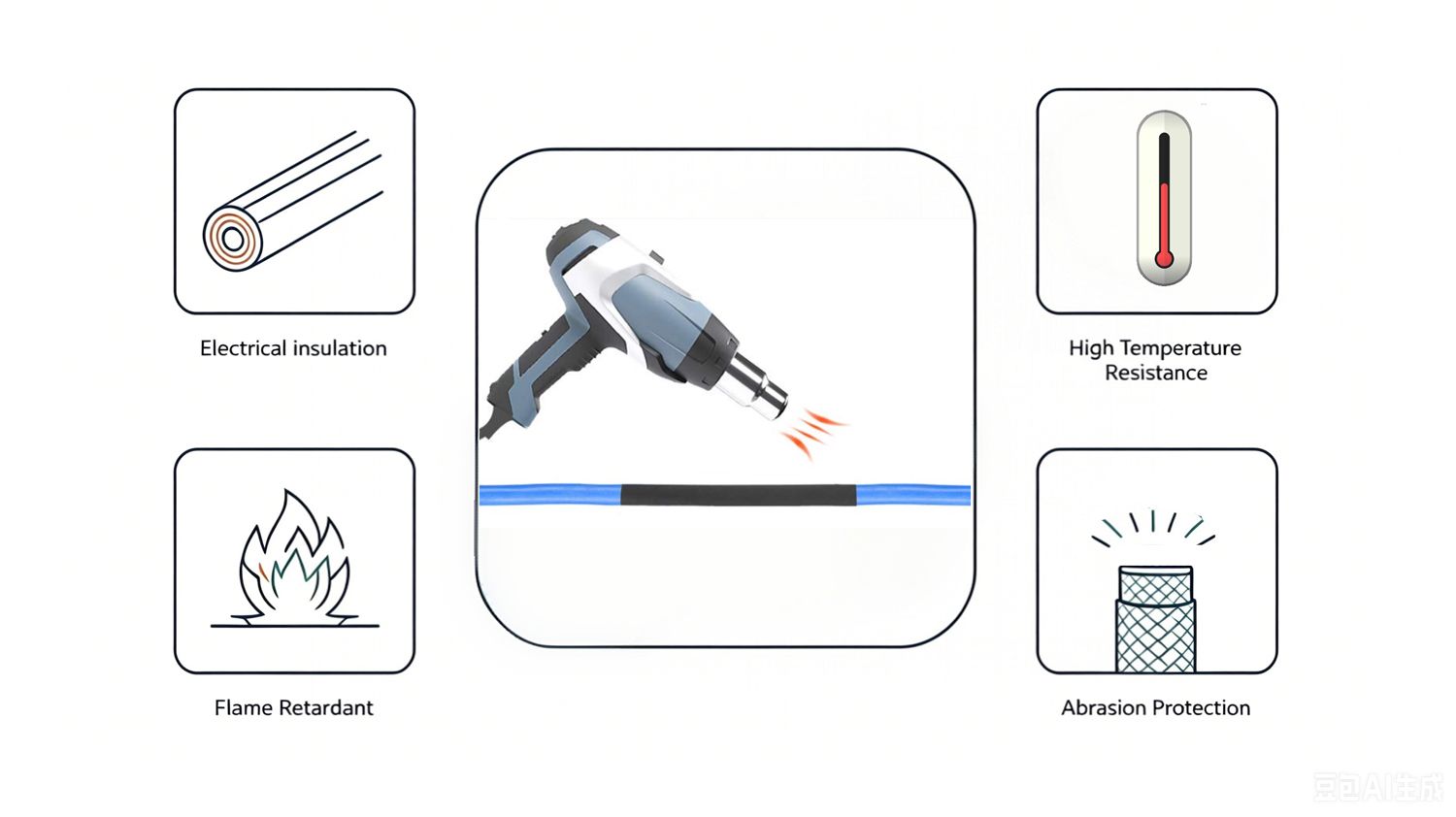
Insulation sleeving provides electrical isolation between live conductors, metal components, and surrounding cables.
This electrical insulation helps prevent short circuits, current leakage, and cable damage caused by abrasion, heat, and harsh operating environments. Depending on the material, it can also provide flame-retardant, high-temperature, or chemical-resistant protection.
By reducing cable wear and improving electrical safety, insulation sleeving helps extend service life and improve system reliability.
Popular Electrical Insulation Sleeving Materials
Different insulation sleeve materials are designed to meet various performance requirements. Some materials focus on insulation protection, while others emphasize waterproof sealing or chemical protection. Understanding the characteristics of each material can help you make comparisons before choosing the most suitable solution for your application.
The table below compares the key characteristics, operating temperature ranges and material of commonly used insulation sleeving products.
| Product | Material | Operating Temperature | Shrink Ratio | Chemical Resistance | Flammability | Key Properties |
|---|---|---|---|---|---|---|
| PE Heat Shrink Tubing | Polyethylene | -40°C - +125°C | 2:1 | Good | VW-1 | Electrical insulation, waterproof sealing |
| Dual Wall Heat Shrink Tubing | Polyethylene with glue | -45°C - +125°C | 3:1 and 4:1 | Excellent | VW-1 | Adhesive-lined, waterproof sealing, corrosion protection |
| Busbar Heat Shrink Tubing | EVA | -55°C - +105°C | 2:1 | Excellent | VW-1 | High-voltage insulation protection, insulation for busbars |
| Skid-Proof Heat Shrink Tubing | EVA/Cross-linked Polyolefin | -55°C - +105°C | 2:1 | Good | VW-1 | Textured anti-slip, quick contraction |
| Fiberglass Sleeving | Fiberglass fiber | -60°C - +200°C | N/A | Good | VW-1 | High-temperature insulation, abrasion resistance |
| Silicone Heat-Shrinkable Tube | Silicone | -50°C - +200°C | 1.7:1 | Excellent | VW-1 | Resistant to high and low temperatures, providing insulation protection |
| Heat-Treated Fiberglass Sleeving | Fiberglass fiber | 600°C | N/A | Good | VW-1 | Heat dissipation, heat resistance, insulation protection |
| Corrugated flexible conduit | PA/PE/PP | -40 - +130°C | N/A | Good | VW-1 | Anti-ultraviolet and wear-resistant, low smoke and halogen-free |
The following section explains how to select the right insulation sleeving based on your actual operating conditions.
How to Choose the Right Insulating Sleeving
When choosing the appropriate insulation sleeving, one should not merely focus on the temperature rating. In industrial applications, cable failures often result from the selection of products that do not match the actual operating environment.
Before making a decision, please assess the usage method of the cable, the potential risks involved, and the required protection level. Considering these factors comprehensively is beneficial for enhancing electrical safety, prolonging the service life of the cable, and reducing long-term maintenance costs.
The following checklist can help you determine the most suitable insulating sheath for your application scenario.
1.Consider the Operating Environment
Start by identifying the operating environment. Confirm both the continuous operating temperature and any short-term peak temperatures to ensure the sleeving can withstand thermal stress. Also consider moisture, UV exposure, oil, chemicals and other environmental factors that may affect long-term performance.
2. Identify the Primary Protection Requirement
Define your core protection needs according to application scenarios. Most circuit wiring prioritizes electrical insulation to avoid short circuits. Movable and vibrating equipment requires mechanical protection against wear and tearing. High-temperature devices need heat insulation. Flammable working environments require high flame-retardant sleeving to prevent fire spread.
3.Review Installation Requirements
Select proper size and type for easy installation and maintenance. The inner diameter of the sleeving must fit the cable outer diameter to avoid loose protection or difficult threading. Heat-shrinkable sleevings provide tight sealing and waterproofing for fixed wiring.
4.Verify Technical Specifications
Confirm all key parameters meet industry standards. The rated voltage of the sleeving must be higher than the system working voltage to reserve a safe margin. Check temperature grade, flame retardancy and environmental compliance such as RoHS, UL certification. Ensure tensile strength and wear resistance match long-term operating requirements to avoid early failure.
Once you have determined the appropriate type of insulation sleeve, the next step is to understand the common application scenarios of these products and consider which industry standards before making the final choice.
Typical Industrial Applications
Insulating sleeving is used in a wide range of industries to protect cables from heat, abrasion, chemicals and other environmental hazards. Different applications require different materials to achieve the right balance of insulation, durability and cost.
Automotive Industry
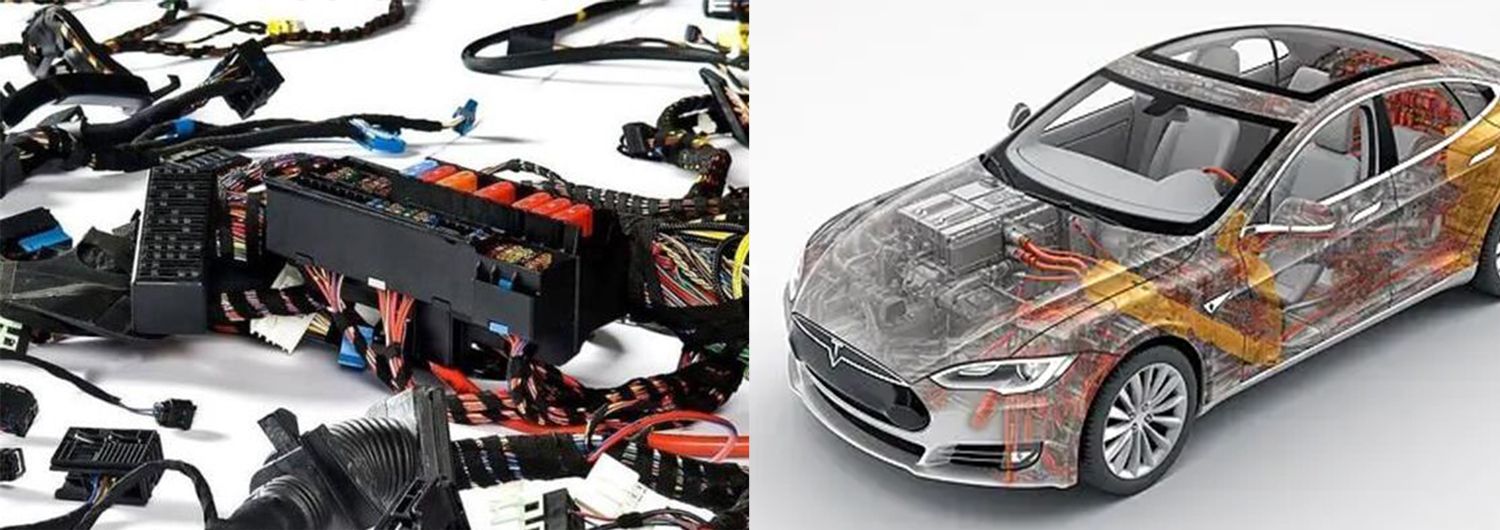
Automotive wiring is exposed to heat, vibration and oil, especially around engines and EV battery systems. Silicone heat-shrinkable tube, corrugated conduit and heat shrink tubing are commonly used to protect wiring harnesses, sensors and high-voltage cables.
Industrial Machinery & Automation
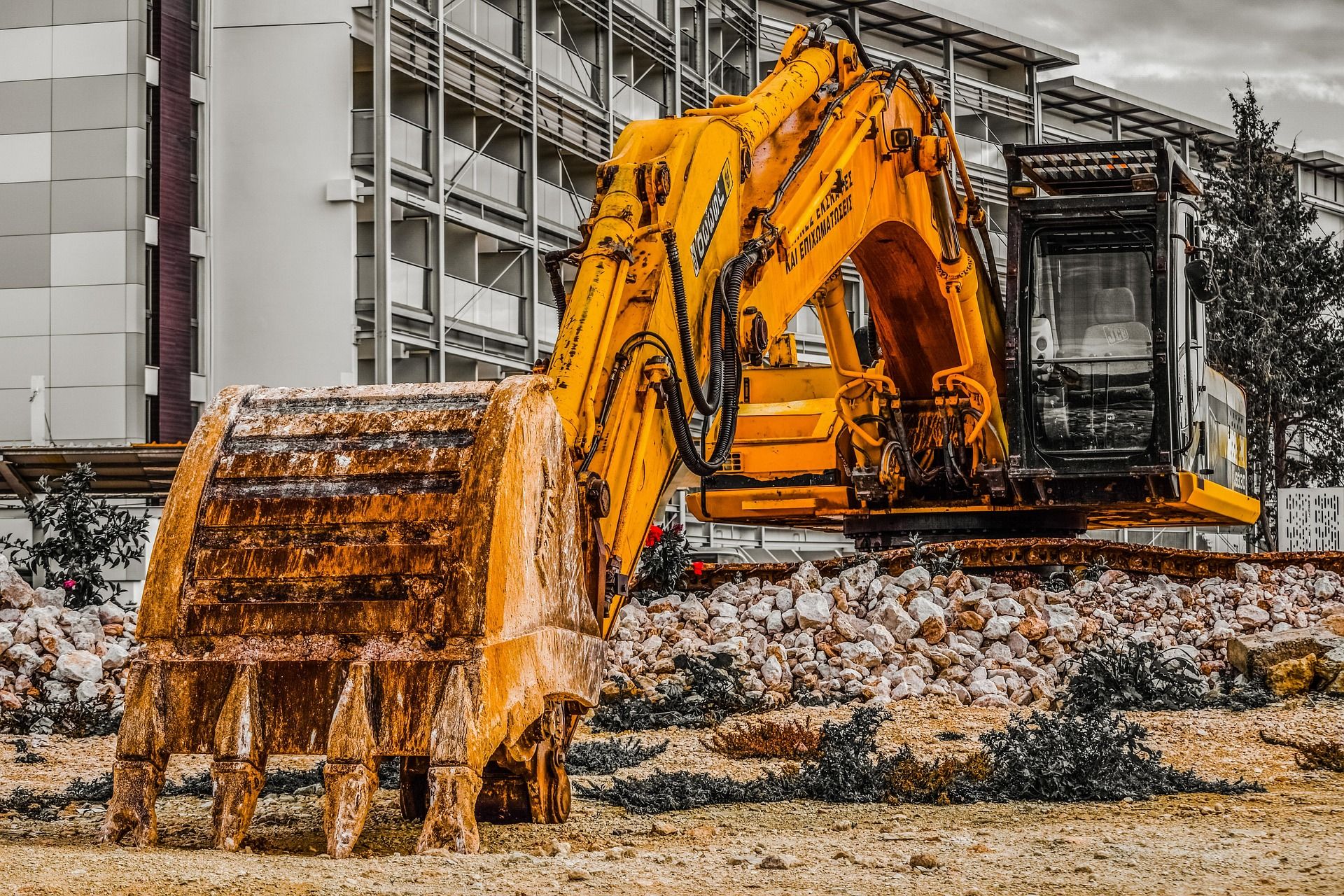
Moving cables in automated equipment are subject to constant bending and abrasion. corrugated flexible conduit and heat shrink tubing help protect wiring in robotic systems, machinery and production lines.
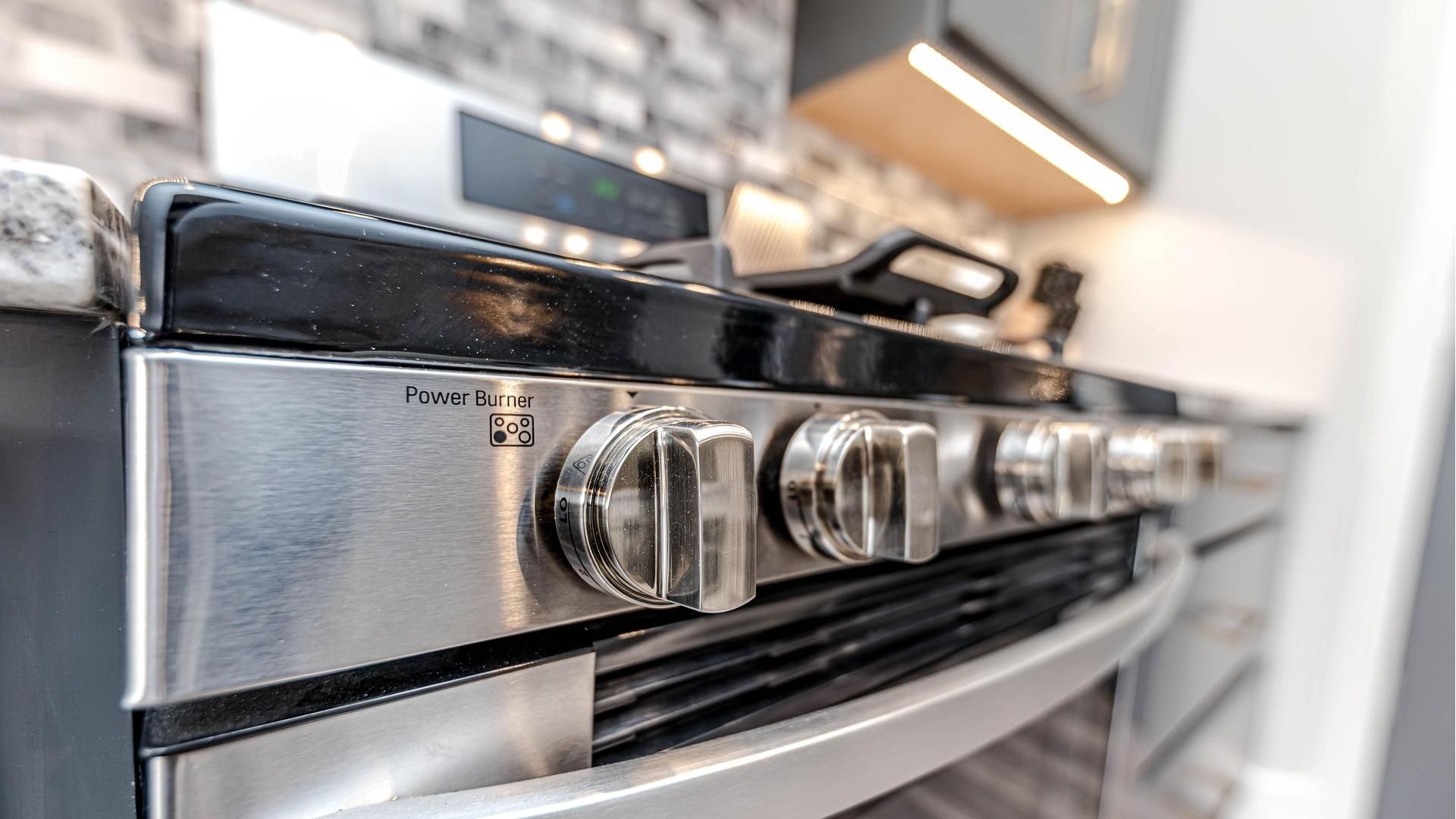
Household Appliances
Appliance wiring requires reliable insulation in a compact space. Heat-treated fiberglass sleeving and fiberglass sleeving provide an economical solution for internal cable protection and organization.
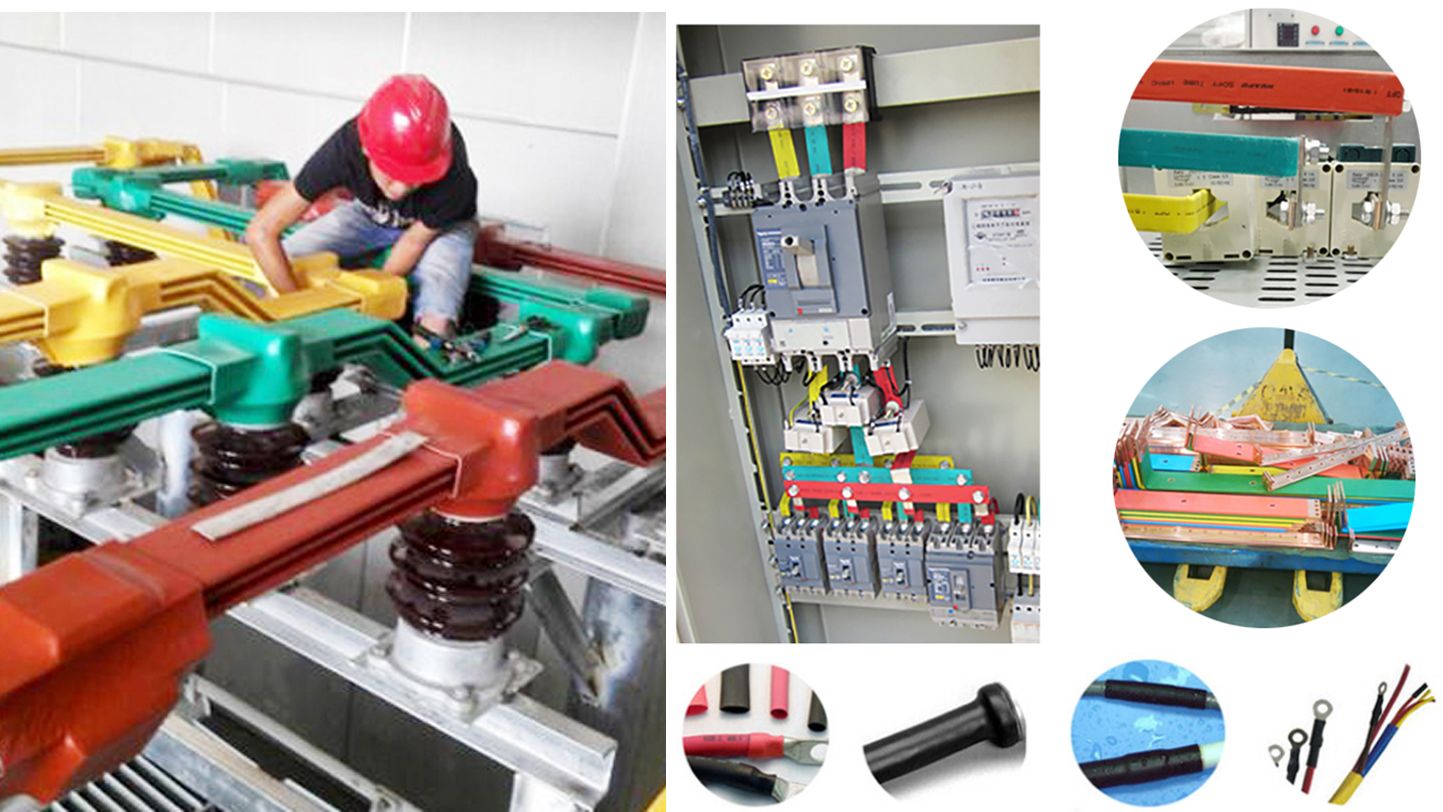
Power & Renewable Energy
Power distribution systems, transformers, solar equipment and energy storage systems require durable electrical insulation and flame resistance. Heat shrink tubing, busbar heat shrink tubing and high-temperature insulation sleeving help improve long-term reliability and system safety.
Industry Standards to Consider
When selecting insulating sleeving, product performance is only one part of the decision. Depending on your industry and application, compliance with recognized industry standards is necessary to ensure safety and regulatory compliance.
| Standard | What It Covers |
|---|---|
| RoHS | Restricts hazardous substances in electrical and electronic products. |
| REACH | Regulates chemical substances to improve environmental and user safety. |
| UL 94 | Evaluates the flame resistance of plastic materials. |
Tips: Always verify whether the selected insulation sleeving complies with the technical and regulatory requirements of your project before making a purchasing decision.
FAQ
What is insulation sleeving?
Insulation sleeving is a insulation protective sleeve for wires and cables. It
is made of insulating materials to protect electrical circuits from damage and safety risks.
What is the purpose of insulation sleeving?
It mainly provides electrical insulation, prevents wear and heat damage, and protects cables from dust, moisture and chemical corrosion.
What Is Electrical Insulation Sleeving Used For?
It is widely used to protect wiring in electronics, home appliances, industrial machinery, automobiles and power equipment to improve circuit safety and stability.
Can insulation sleeving prevent short circuits?
Yes. It isolates live wires and avoids contact between conductors, which effectively prevents short circuits and current leakage.
Can insulating sleeving be used outdoors?
Yes, the busbar heat shrink tubing and the corrugated tube can be used outdoors.
How do I install insulation sleeving?
For regular sleeving, slide it directly over the cable. For heat-shrink sleeving, apply even heat to make it tightly wrap the wire.
What Is the Best Insulation Sleeving for Industrial Cables?
The dual wall heat shrink tube is the most versatile for general industrial use.
What Are the Different Types of Insulation Sleeving?
Common types include heat shrink tube, fiberglass sleeving, and silicone heat shrink tube. They differ in temperature resistance, flexibility and chemical tolerance.
What Makes High-Temperature Insulation Sleeving Different?
It uses special heat-resistant materials and can withstand continuous high temperatures without aging, melting or losing insulation performance.
Final Thoughts
Choosing the right insulation sleeving starts with understanding your application’s operating conditions. Factors such as temperature, abrasion, moisture, chemicals, flexibility, and installation requirements all affect long-term cable performance and protection.
By selecting a sleeving material that matches your environment, you can improve electrical safety, reduce maintenance, and extend the service life of your wiring systems. Whether used in industrial equipment, automotive wiring, electrical panels, or electronic devices, the right insulation sleeving helps ensure reliable performance in demanding applications.
For more detailed product specifications, material comparisons, and application recommendations, download our Insulation Sleeving Catalog (PDF) below.
Download Our Insulation Sleeving Catalog
Get detailed product specifications, material comparisons, application recommendations, and OEM customization information in one complete catalog.
Hey there, I’m Cheney!

If you have any questions about cable management sleeve protection, feel free to contact me.
Get A Quote


Related Post You May Also Like
Spiral Wrap Sizing: 9 Mistakes That Ruin Cable Bundles
[pac_divi_table_of_contents included_headings="off|on|on|off|off|off" exclude_headings_by_class="on" active_link_highlight="on" level_markers_3="icons" title_container_padding="10px|15px|10px|15px|true|false" title_container_bg_color="#333333" body_area_height="650px"...
The Hidden Hero of Electrical Safety: Why Insulation Sleeves Are Often Overlooked
[pac_divi_table_of_contents included_headings="off|on|on|off|off|off" exclude_headings_by_class="on" active_link_highlight="on" level_markers_3="icons" title_container_padding="10px|15px|10px|15px|true|false" title_container_bg_color="#333333" body_area_height="650px"...

Best Cable Sleeves for Home Office Cable Management
[pac_divi_table_of_contents included_headings="off|on|on|off|off|off" exclude_headings_by_class="on" active_link_highlight="on" level_markers_3="icons" title_container_padding="10px|15px|10px|15px|true|false" title_container_bg_color="#333333" body_area_height="650px"...
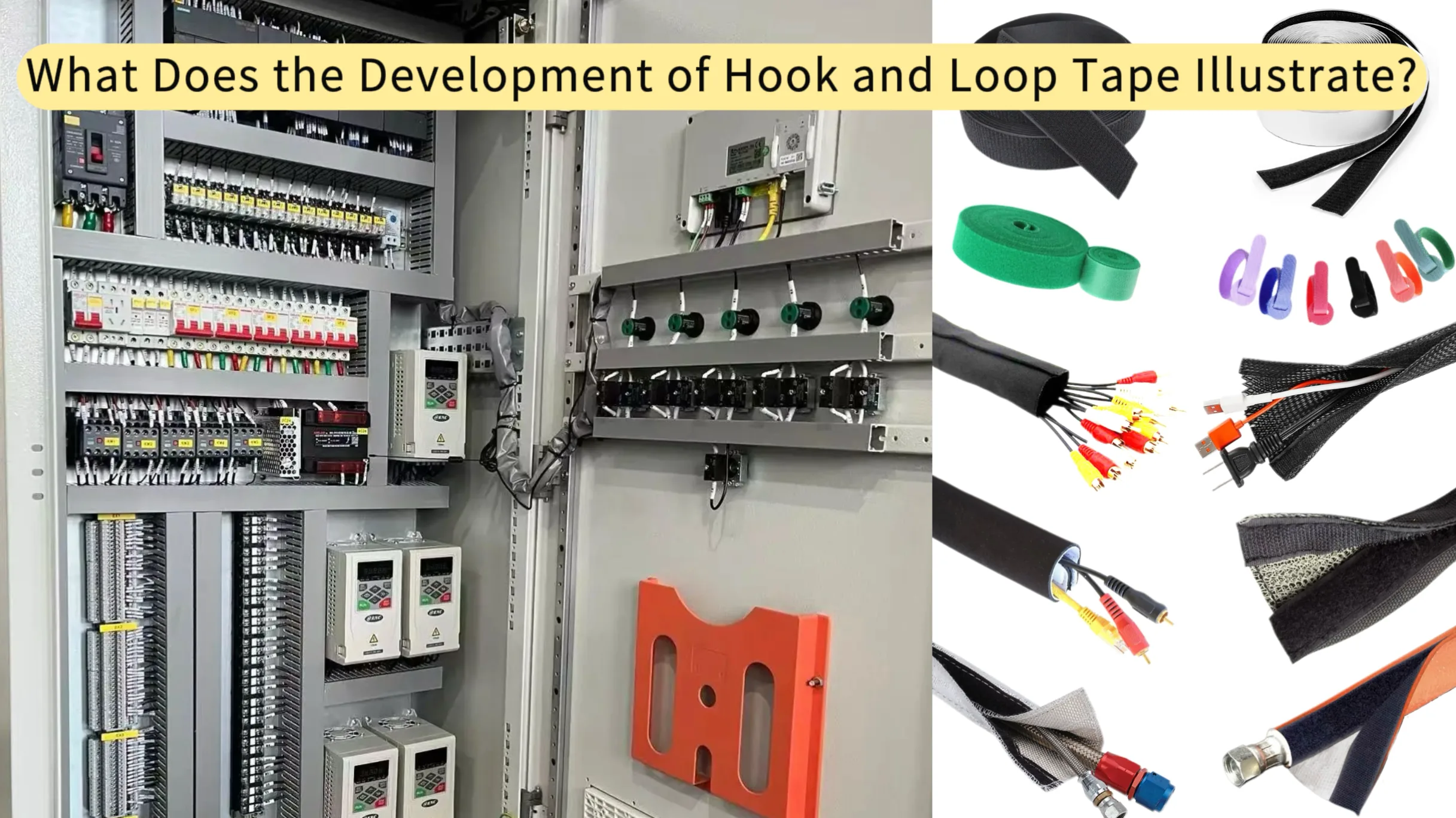
What Does the Development of Hook and Loop Tape Illustrate?
[pac_divi_table_of_contents included_headings="off|on|on|off|off|off" exclude_headings_by_class="on" active_link_highlight="on" level_markers_3="icons" title_container_padding="10px|15px|10px|15px|true|false" title_container_bg_color="#333333" body_area_height="650px"...
0 Comments