
How to Choose High-Temperature Cable Sleeving
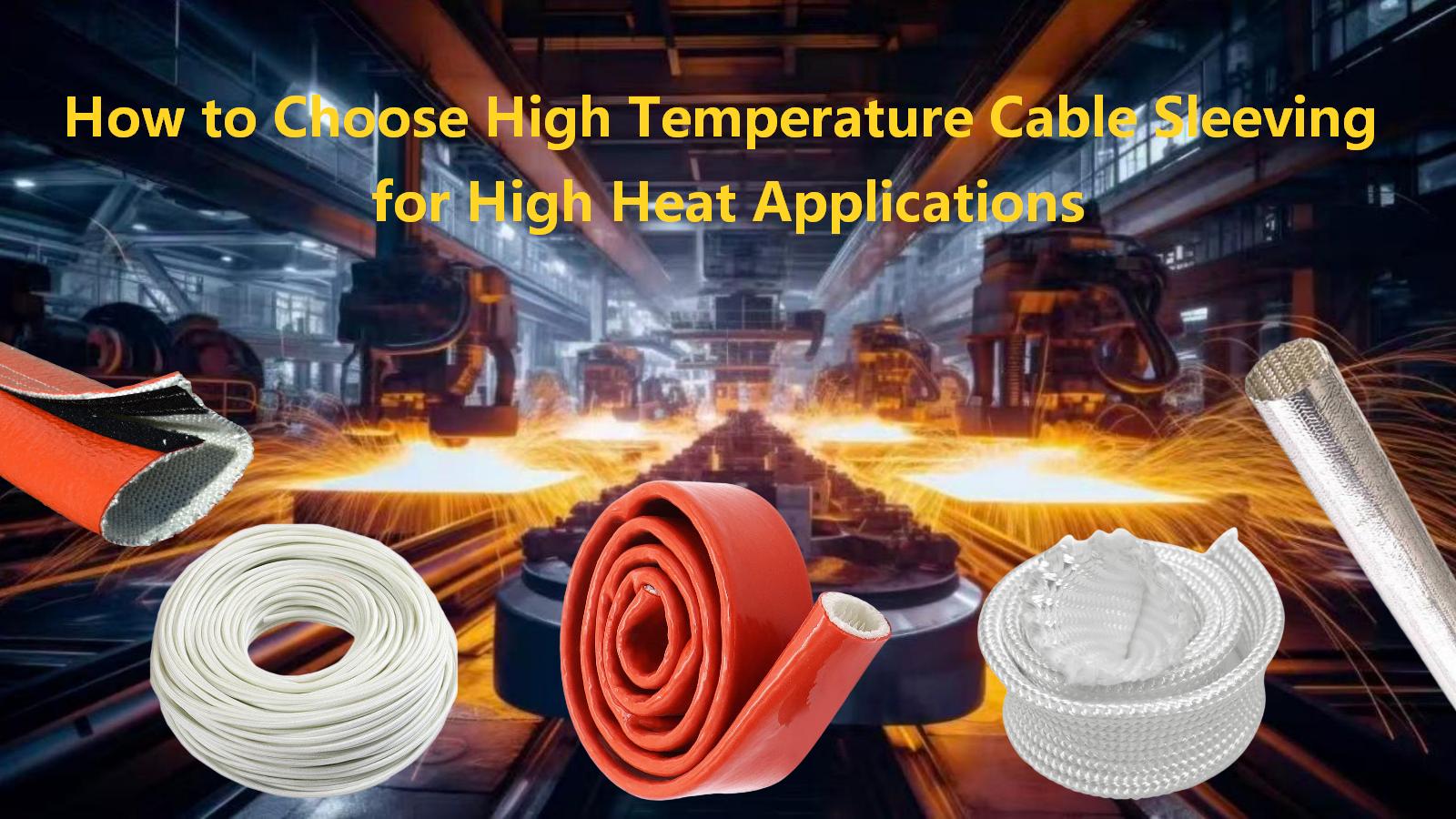
This guide covers application scenarios, key performance metrics, material comparisons, installation practices and supplier evaluation to help you select the right high-temperature sleeve.
Where Can High Temperature Cable Sleeving Be Applied
Automotive Engine Compartments
The area around exhaust manifolds and turbochargers can get extremely hot. Add oil, vibration and constant rubbing against nearby parts, and wiring has a lot to deal with. Standard cable sleeving may not last long in these conditions, so both heat resistance and abrasion resistance matter.
Industrial Ovens and Heating Equipment
Cables near heating elements and hot airflow endure long-term high heat. Cable sleeving must resist sustained heat and keep insulation from damage.
Metallurgy and Foundries
In foundries, cables may face more than high temperatures. Sparks, hot steel and molten-metal splashes also pose a risk. Depending on how close wiring is to these hazards, a standard heat-resistant sleeve may not be enough.
Power Plants and Industrial Machinery
Cables running alongside boilers, steam lines and hot machinery face heat, shaking and physical scuffing. You need high-temperature cable sleeving that fits the heat level and overall site conditions.

Common Types of High-Temperature Cable Sleeving
Different materials offer different levels of heat resistance, insulation, abrasion resistance and radiant-heat protection.
| Type | Temperature Rating | Main Feature | Typical Application |
|---|---|---|---|
| Heat-treated Fiberglass sleeving | Up to 600°C | Heat resistance and electrical insulation | Ovens and heating equipment |
| Silicone Coated Fiberglass sleeving | -65°C to 300°C / short term up to 1650°C | Resistance to spark and molten splash | Automotive wiring and industrial machinery |
| High Silica sleeving | Up to 1000°C | Extreme heat resistance | Furnaces and metallurgy |
| Aluminium Fiberglass sleeve | Up to 540°C | Radiant heat reflection | Exhaust systems and hot pipes |
| Hook and Loop Fire sleeve | -65°C to 300°C / short term resistance | Easy installation and maintenance | Existing cable harnesses |
| Hook and Loop Aluminium Fiberglass sleeve | Up to 540°C | Radiant heat reflection and easy installation | Harnesses near radiant heat sources |

1. Heat Treated Fiberglass Sleeving
Heat-treated fiberglass sleeving provides basic heat resistance and electrical insulation for static wiring in ovens and heating equipment.

2. Silicone Coated Fiberglass Sleeving
Silicone coated fiberglass sleeving offers flexibility and resistance to heat, oil and abrasion for automotive and industrial applications.
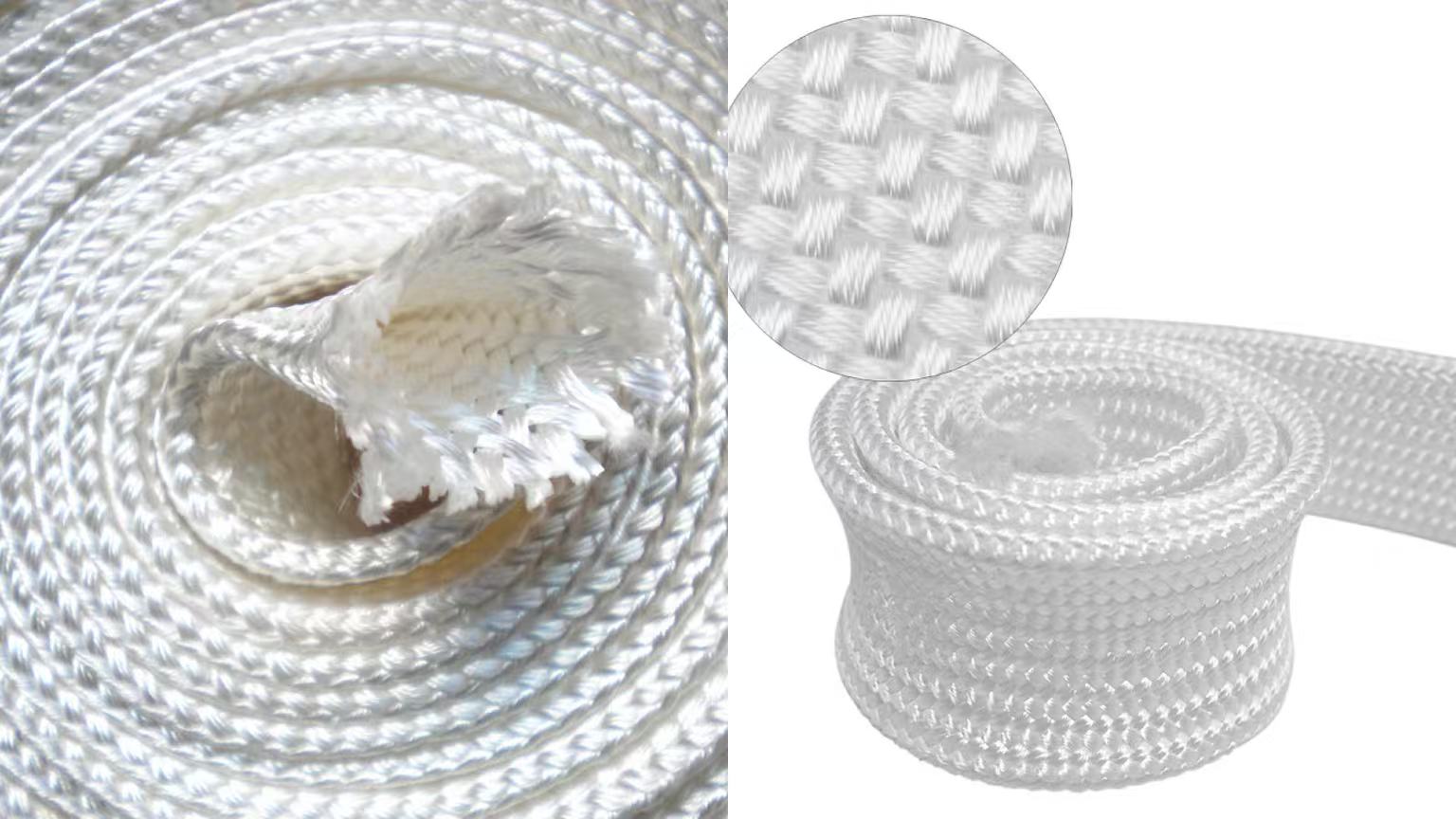
3. High Silica Sleeving
High silica sleeving handles extreme temperatures and suits furnaces and metallurgical equipment.
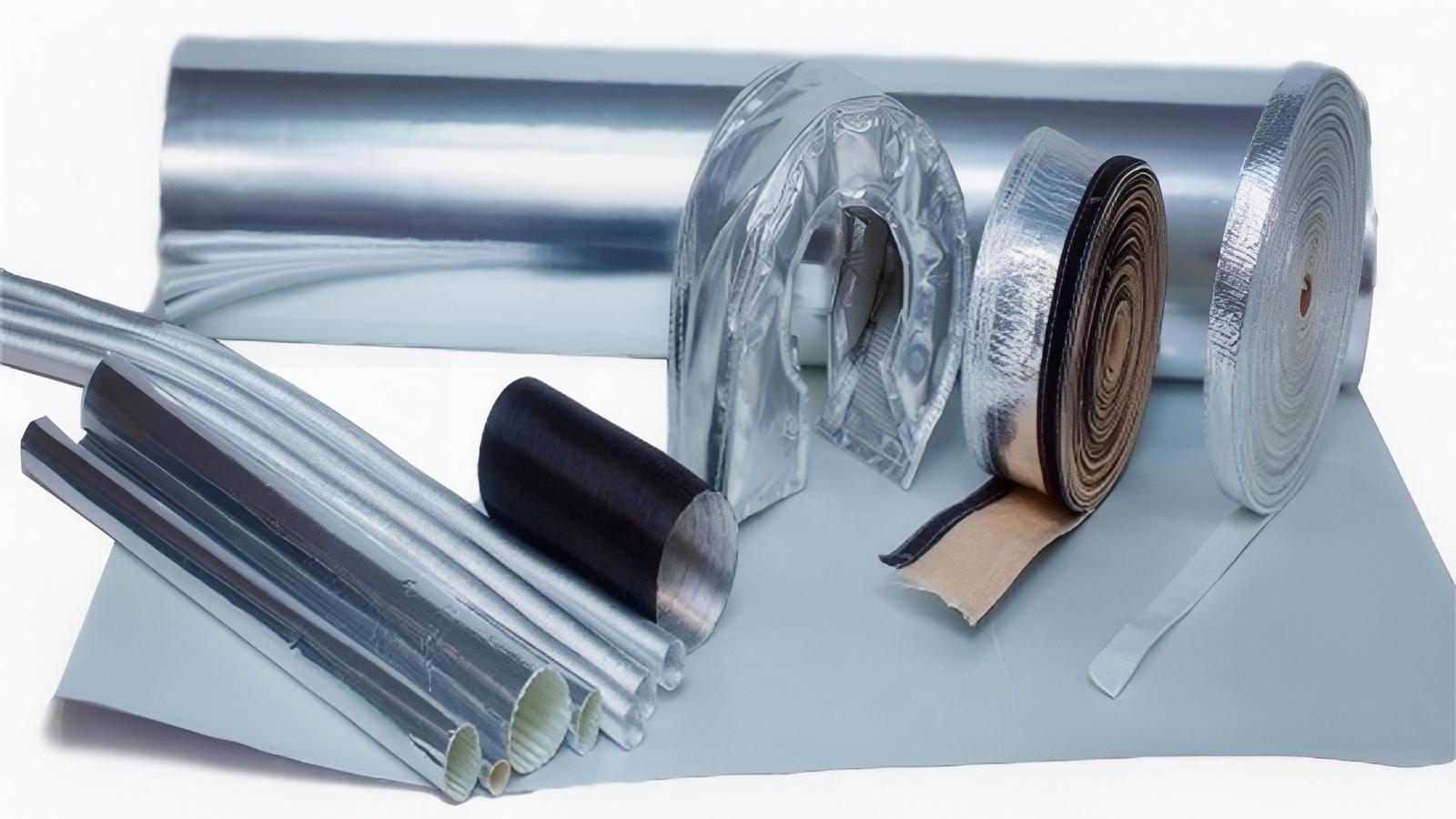
4. Aluminium Fiberglass Sleeve
Aluminium fiberglass sleeve reflects radiant heat and protects cables near exhaust systems and hot pipes.
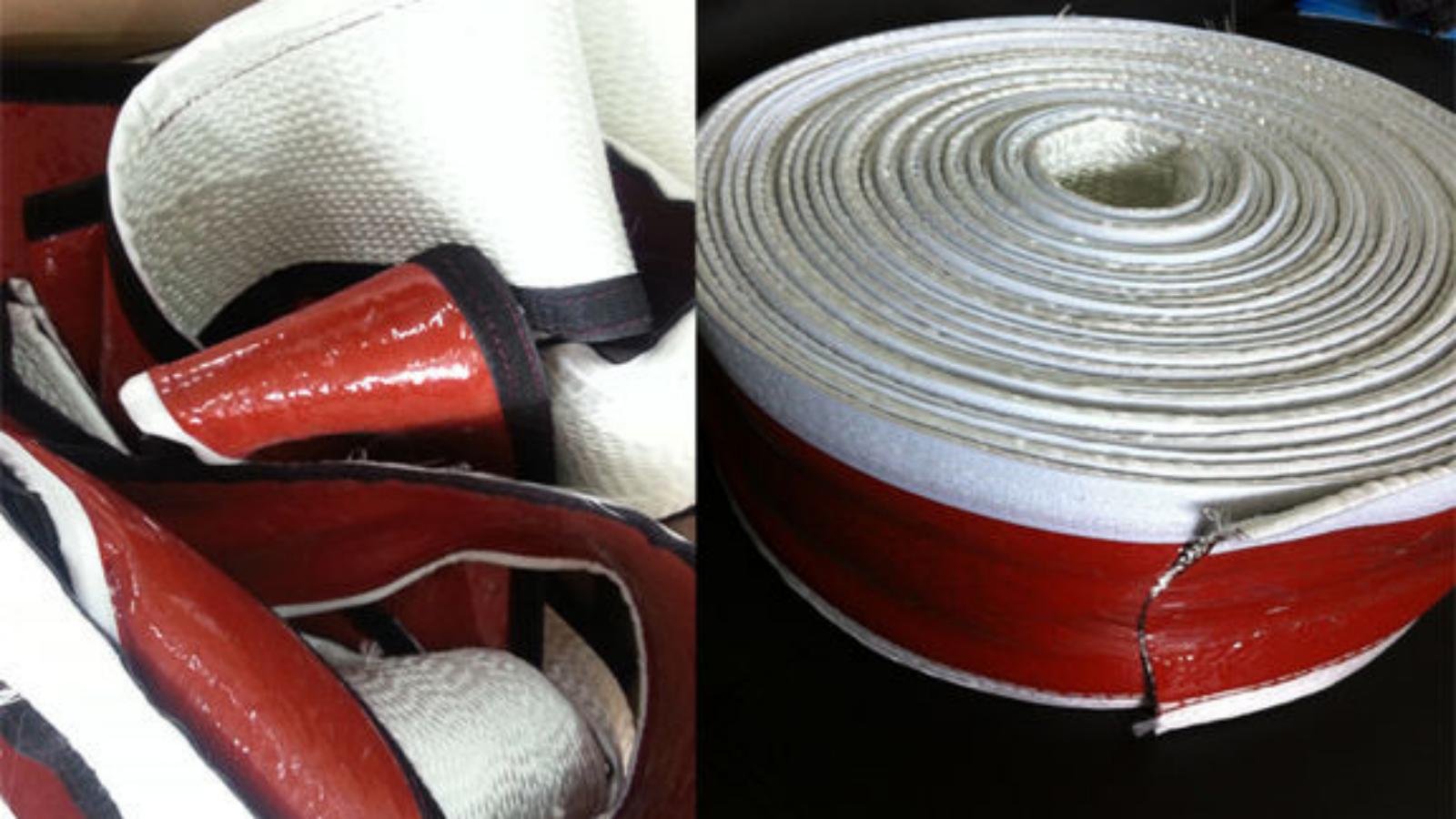
5. Hook and Loop Fire Sleeve
Hook and loop fire sleeve allows easy installation and removal around existing cable harnesses.
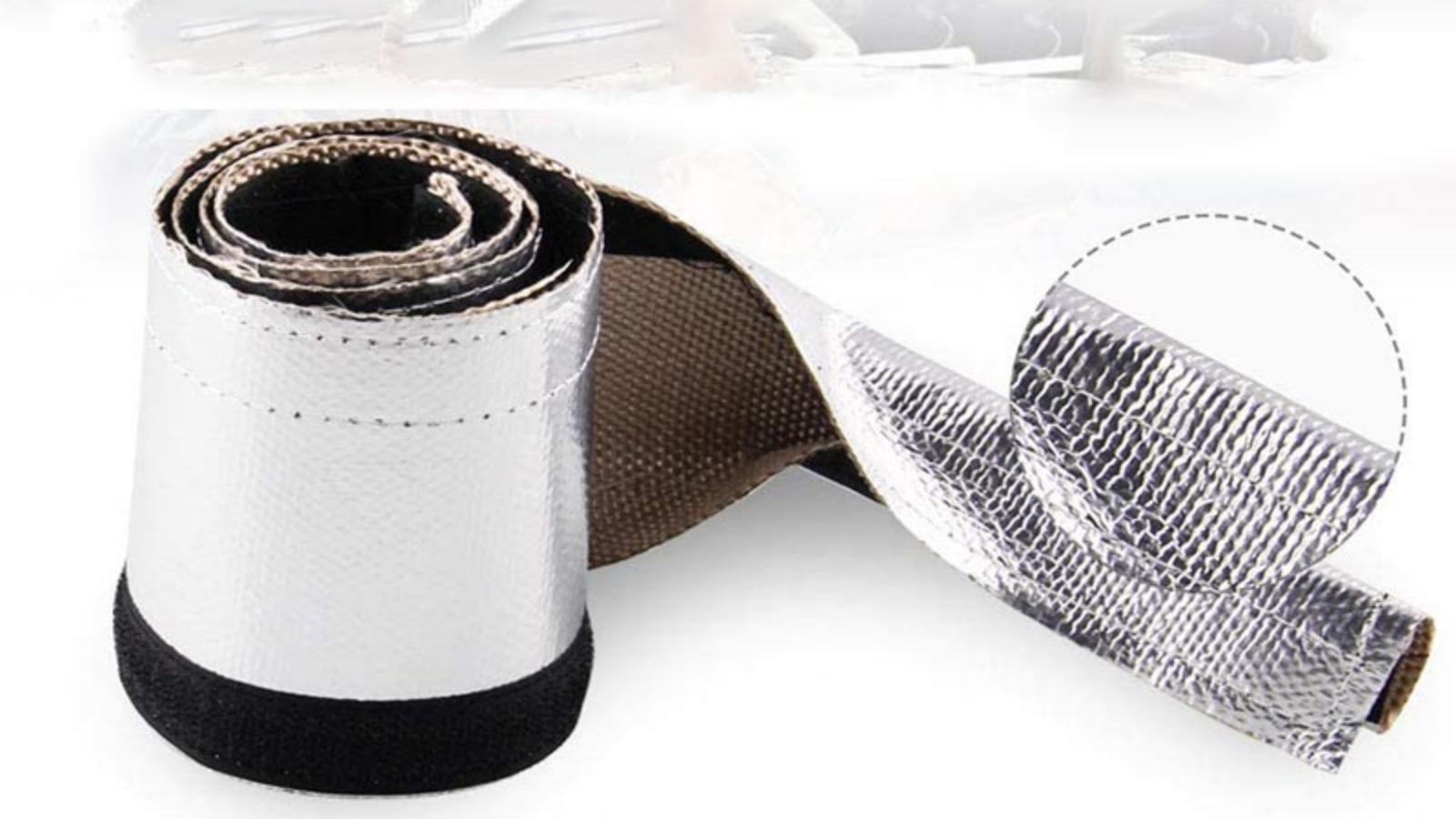
6. Hook and Loop Aluminium Fiberglass Sleeve
Hook and loop aluminium fiberglass sleeve combines radiant-heat reflection with convenient wrap-around installation.
Select High Temperature Sleeving to Fit Your Application
Assess the day-to-day operating conditions of the harness. Identify the main heat source and any other site hazards. This narrows the selection of high-temperature cable sleeving.
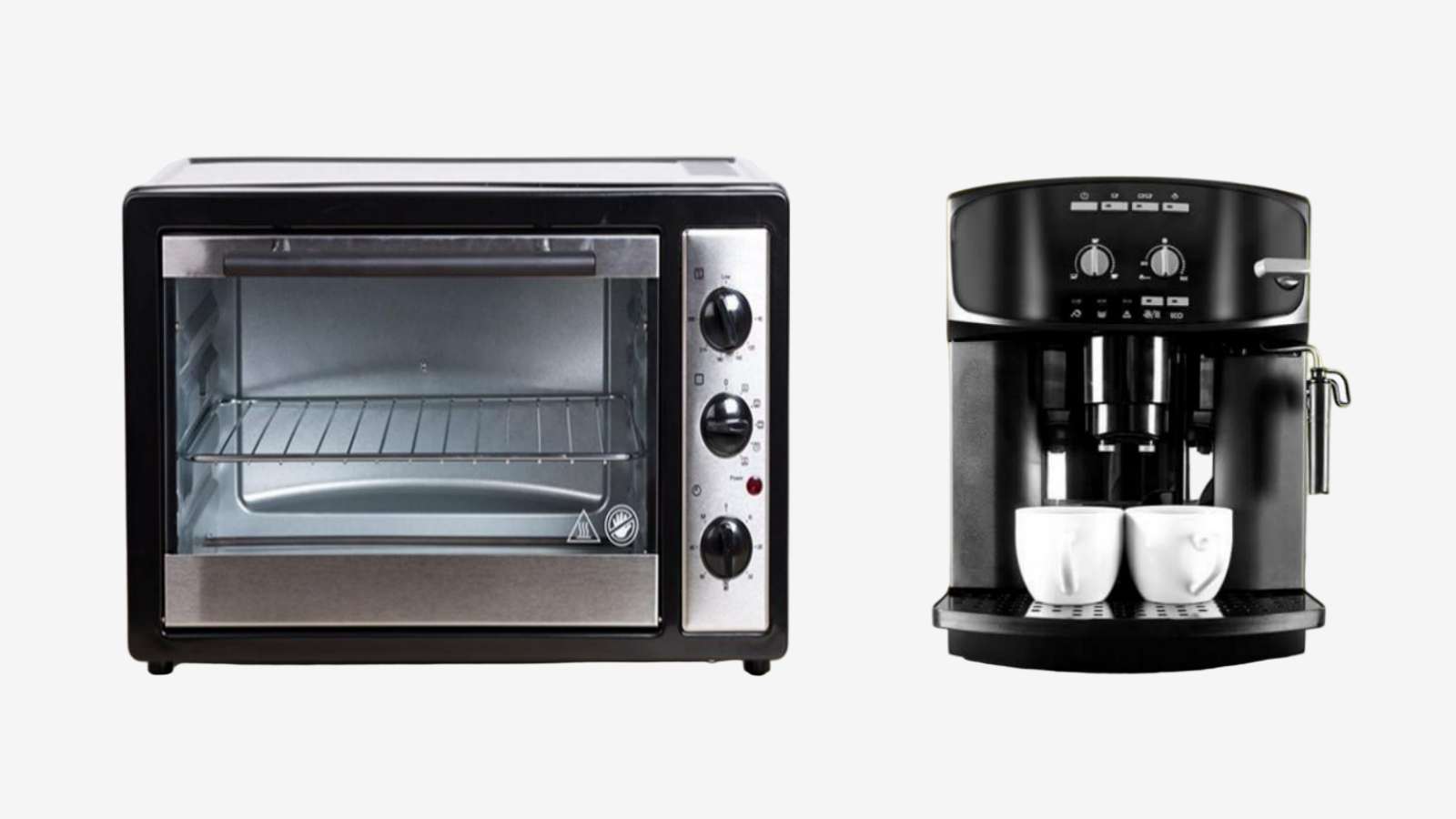
Ovens and heating equipment: With steady background heat and mostly static wiring, the main concern is long-duration continuous-temperature performance. Fiberglass cable sleeving or heat-treated fiberglass sleeving are common picks. Abrasion and liquid exposure may be minimal depending on equipment design.
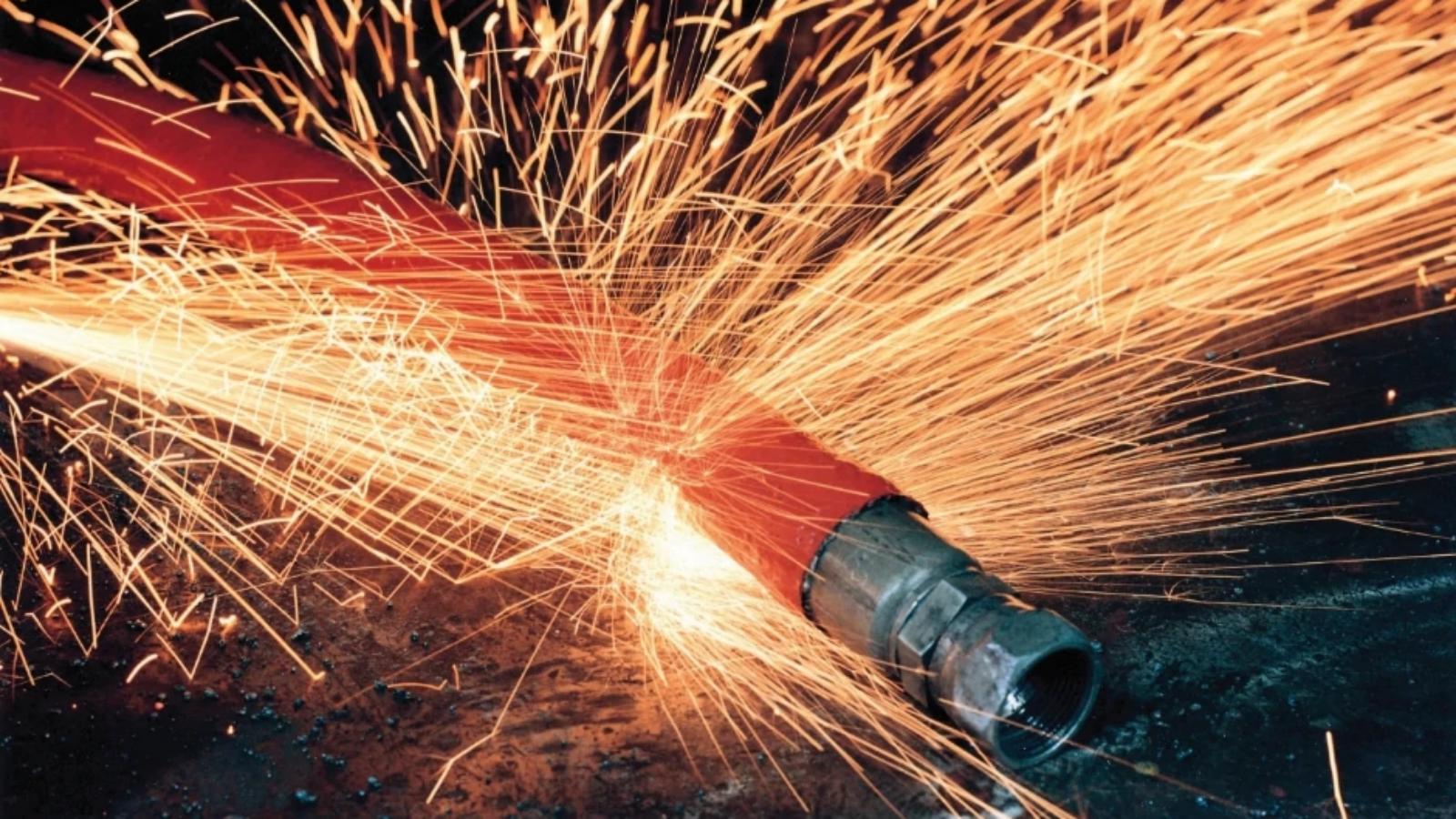
Welding and metal processing stations: Short-term hot-particle splash is a key threat. Silicone coated fiberglass sleeving and hook-and-loop fire sleeve work well here. Harnesses also run past sharp workpieces, so abrasion matters too.

Engine bays and exhaust-adjacent wiring: Radiant heat dominates. Expect regular vibration plus contact with oil and road grime. Many engineers choose aluminium fiberglass sleeve or hook-and-loop aluminium fiberglass sleeve in these harsh environments.

Different scenarios push for different material choices. No single high-temperature cable sleeving works reliably across all these environments.
Weave, Wall Thickness and Inner Diameter Fit

Material choice is only part of the picture. Braiding density, physical thickness and sizing directly affect how well sleeving holds up in real installations. Selecting proper size for high-temperature cable sleeving and wiring-harness sleeving is critical.
Weave tightness balances flexibility and mechanical robustness. More open sleeves bend easier but provide less abrasion resistance. Coated or foil-laminated types deliver extra protective features and cannot simply substitute for bare fiberglass.
Wall thickness trades bulk against sturdiness. Thicker material stands up better to mechanical knocks yet needs more routing space.
Inner diameter needs to match the finished harness outer measurement. Too small forces stress during fitting; too loose lets the sleeve shift and rub while equipment runs. Closed tubular designs must be planned at harness build time. Hook-and-loop constructions remove many fit issues for existing wiring.
When compiling a quote request, include harness outer diameter, required length, whether it is new construction or a retrofit, and connector dimensional constraints.
Supplier screening is a key step. Verify formal specifications and test reports for the exact part number, conduct sample fitting tests on your harness, confirm consistent production-batch quality, check custom-service capability and confirm stable lead time before final selection.
Frequently Asked Questions
1. Is there one high-temp cable sleeving for every job?
No. The correct choice depends on temperature, heat source, mechanical wear, chemical exposure and installation method.
2. What is the difference between continuous and short-term temperature ratings?
The continuous rated value is for long-term operation. The short-term value only applies to short-duration thermal shock or splashing events.
3. When do you use silicone-coated fiberglass sleeving?
Usually when heat comes with fluids, rubbing or occasional hot-particle splash. Check the datasheet for the exact variant.
4. What situations call for high silica sleeving?
It serves static assemblies needing thermal performance beyond standard fiberglass. Avoid harnesses that flex or receive constant rubbing.
5. Does aluminized fiberglass sleeving handle direct flame or molten-metal splash?
Its main strength is reflecting radiant heat. Do not assume it resists flame or molten impact.
6. How do I pick the right sleeve ID for harness sleeving?
Measure the OD of the finished bundle first, then confirm with your supplier that sleeve ID leaves enough clearance for installation.
7. Can I add high-temperature cable protection without taking apart existing cable assemblies?
Hook-and-loop fire sleeving supports retrofitting. Review temperature ratings for closure hardware, not only the sleeve body.
8. What information should I provide for a high-temperature sleeving quotation?
Share application context, normal and peak thermal conditions, harness outer diameter, required length, new-build or retrofit status, plus electrical or flame-resistance requirements.
Conclusion
High-temperature cable sleeving reduces wire damage caused by heat, friction and tough working conditions. Match the product to site conditions. Check material, weave structure, size and installation method along with temperature rating and performance specifications to meet project protection needs.
Hey there, I’m Mia !

Get A Quote


Related Post You May Also Like
Spiral Cable Wrap vs. Split Corrugated Conduit: Which Cover Fits Your Harness?
[pac_divi_table_of_contents included_headings="off|on|on|off|off|off" exclude_headings_by_class="on" active_link_highlight="on" level_markers_3="icons" title_container_padding="10px|15px|10px|15px|true|false" title_container_bg_color="#333333" body_area_height="650px"...
Guide to Corrugated Conduits for Robotics
[pac_divi_table_of_contents included_headings="off|on|on|off|off|off" exclude_headings_by_class="on" active_link_highlight="on" level_markers_3="icons" title_container_padding="10px|15px|10px|15px|true|false" title_container_bg_color="#333333" body_area_height="650px"...
How to Select the Right Spiral Cable Wrap Size
[pac_divi_table_of_contents included_headings="off|on|on|off|off|off" exclude_headings_by_class="on" active_link_highlight="on" level_markers_3="icons" title_container_padding="10px|15px|10px|15px|true|false" title_container_bg_color="#333333" body_area_height="650px"...
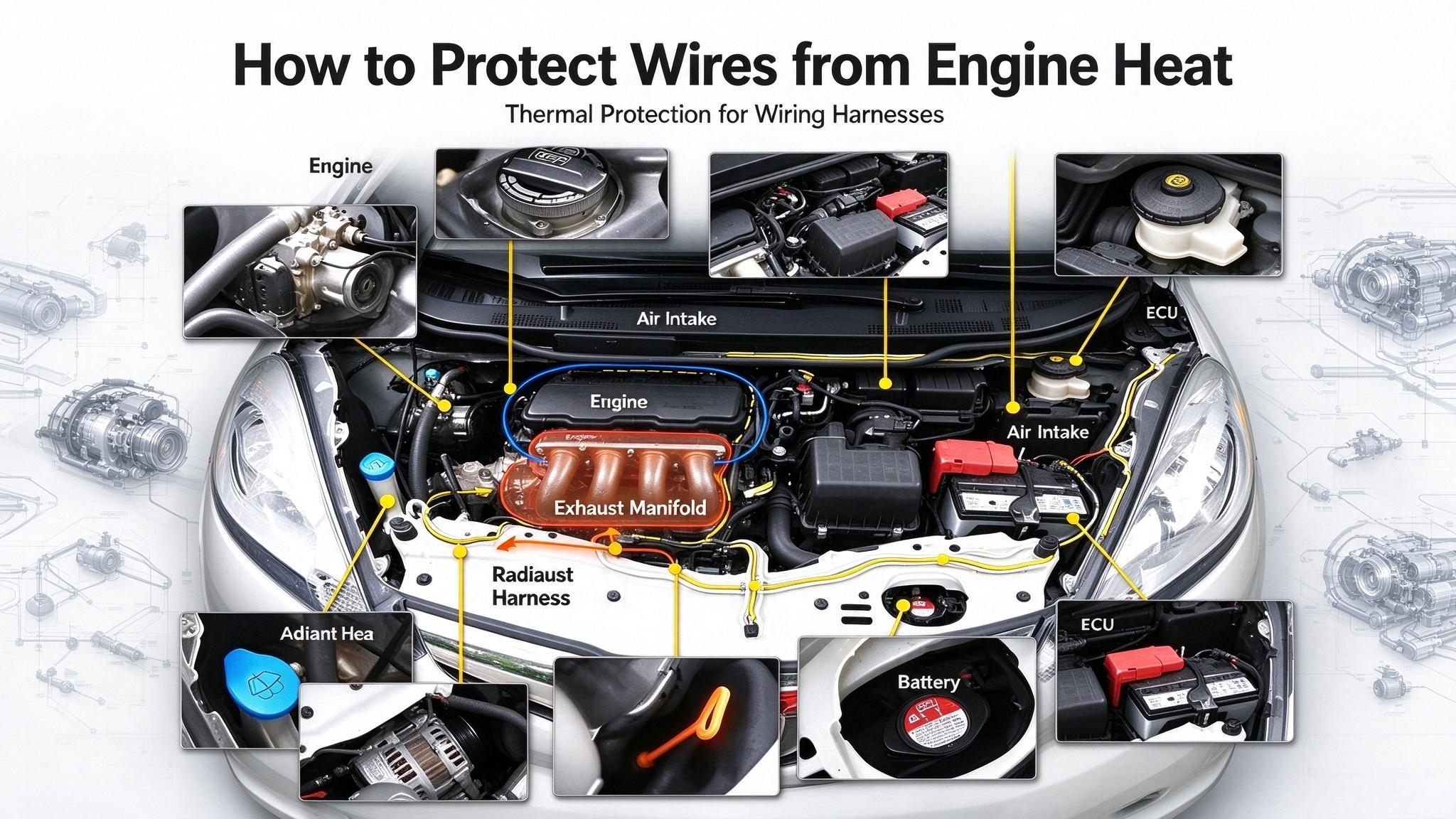
How to Protect Wires from Engine Heat
[pac_divi_table_of_contents included_headings="off|on|on|off|off|off" exclude_headings_by_class="on" active_link_highlight="on" level_markers_3="icons" title_container_padding="10px|15px|10px|15px|true|false" title_container_bg_color="#333333" body_area_height="650px"...