
How to Choose Self-Wrapping Split Braided Sleeving for EV Battery Cables
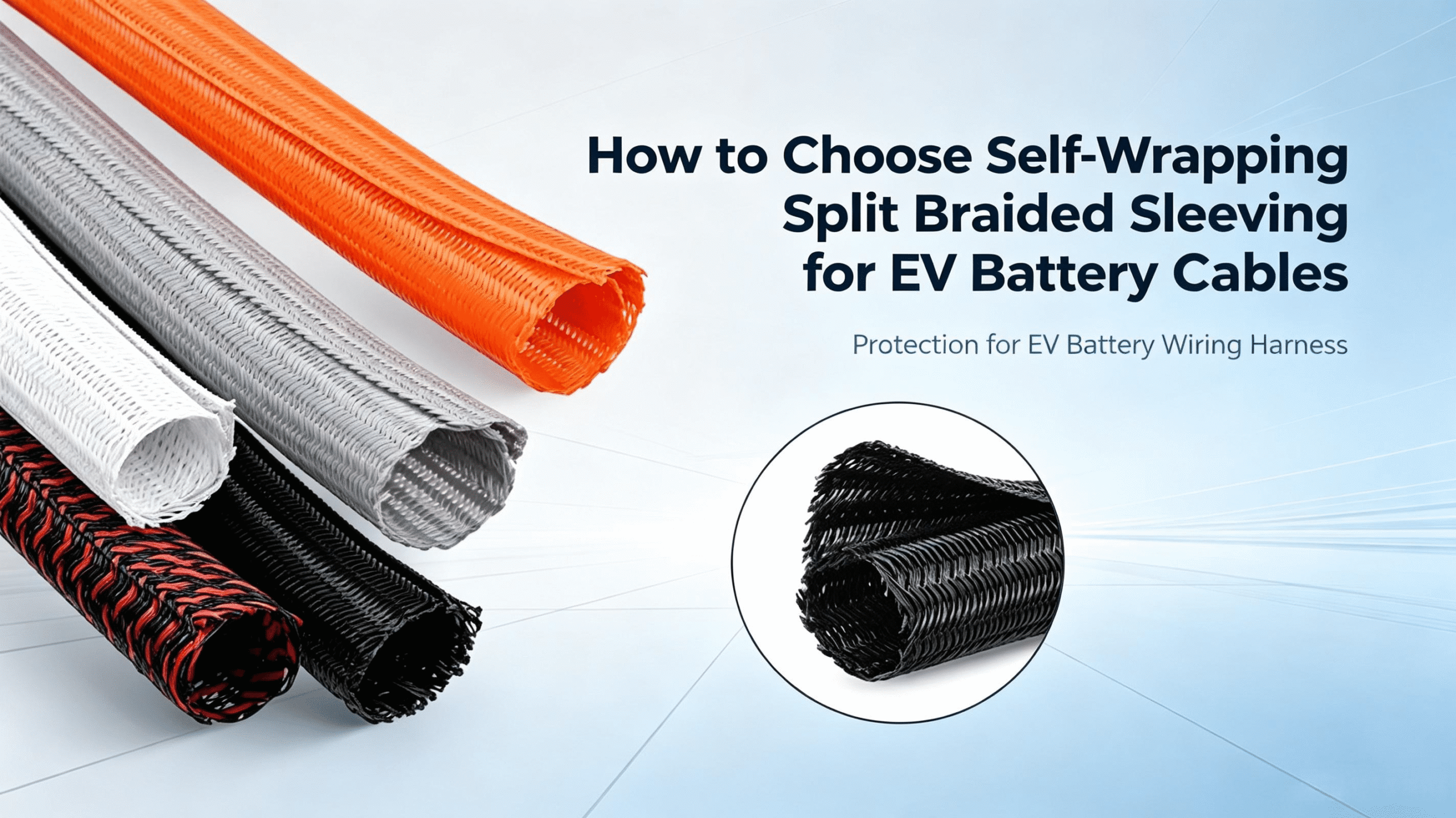
Here is a question most wire harness protection guides never ask: What happens when a sleeve gets damaged during battery pack assembly?
If you used a continuous braided sleeve, you have two options — cut and re-terminate the cable, or leave the damage in place. Neither is acceptable.
Self-wrapping split braided sleeving — also known as wrap-around braided sleeving — solves this. A longitudinal slit lets you wrap the sleeve around an already-terminated harness. No cutting. No re-termination. Installation takes seconds.
This self-closing split sleeving is a wire harness protection solution designed for EV battery cables — where assembly rework is common. The side-entry design allows installation without removing terminals, making it the only practical choice for serviceable harnesses.
This guide covers:
Wrap-around sleeving vs. corrugated tube
Overlap rate — 25% or 50%
Slit design — straight cut, overlap, or self-closing
Yarn type — monofilament, multifilament, or blended
Sizing — the working range trap
Installation — 3 common mistakes
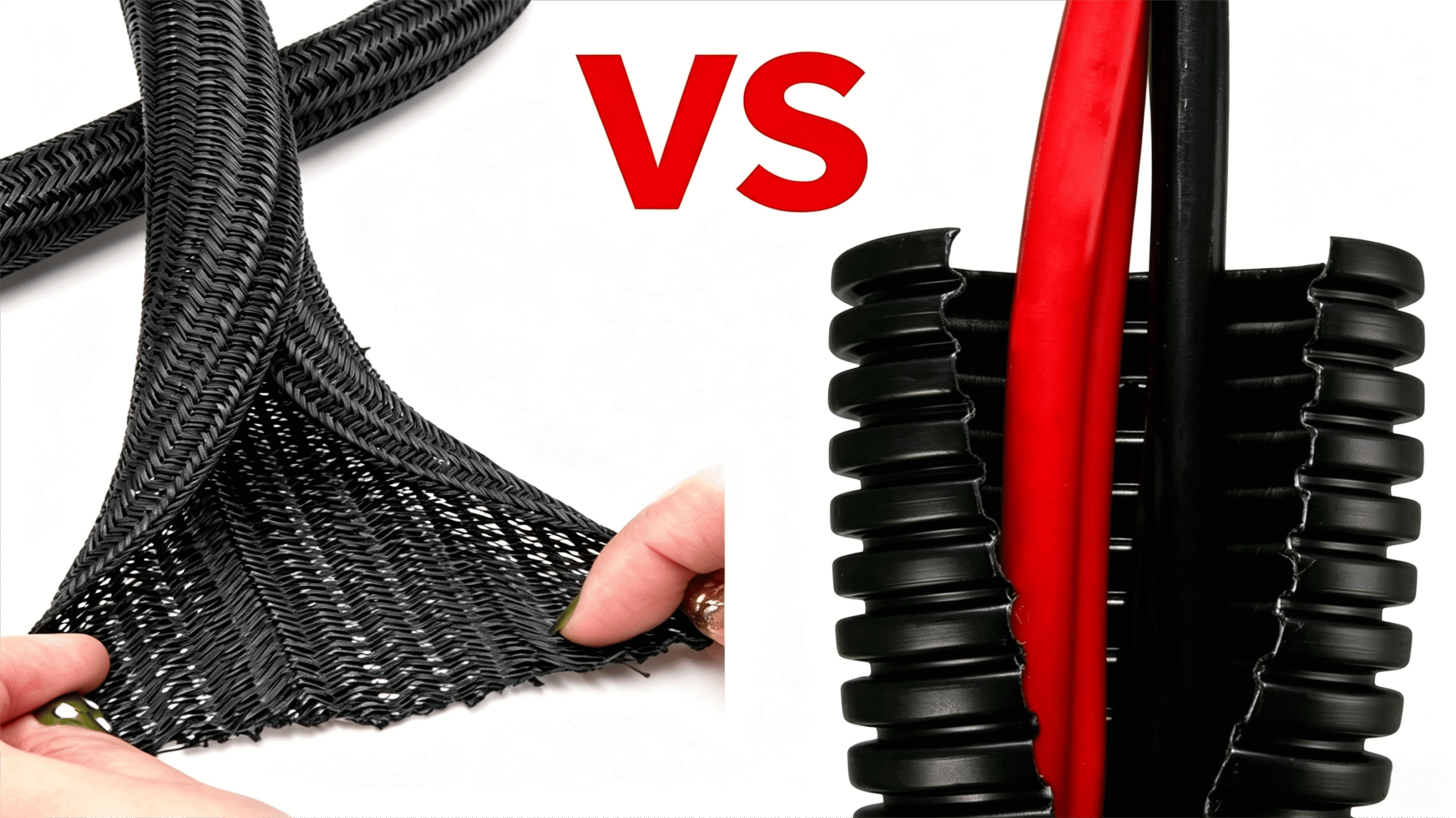
Self-Wrapping Split Braided Sleeving vs. Corrugated Tube — Core Comparison
| Factor | Self-Wrapping Split Braided Sleeving | Corrugated Tube |
|---|---|---|
| Installation | Side-entry — wraps around terminated harness | Side-entry — quick to install |
| Flexibility | Excellent — tight bends, no kinking | Moderate — min radius 6-8× diameter |
| Abrasion Resistance | Excellent — braided structure | Good — hard plastic surface |
| Crush/Impact Protection | Limited — open weave | Excellent — rigid ribs absorb impact |
| Serviceability | Excellent — open, inspect, re-close | Moderate — split design, less re-closure |
| Cost | Higher | Lower |
Quick selection rule:
Self-wrapping split braided sleeving for: EV Battery pack interiors — flexibility, serviceability, tight routing
Choose corrugated tube works best for underbody and chassis routing, offering robust impact and crush protection.
The most reliable field practice is hybrid installation: corrugated tube for fixed chassis sections and wrap-around braided sleeving for flexible cable segments.
Overlap Rate — 25% or 50%
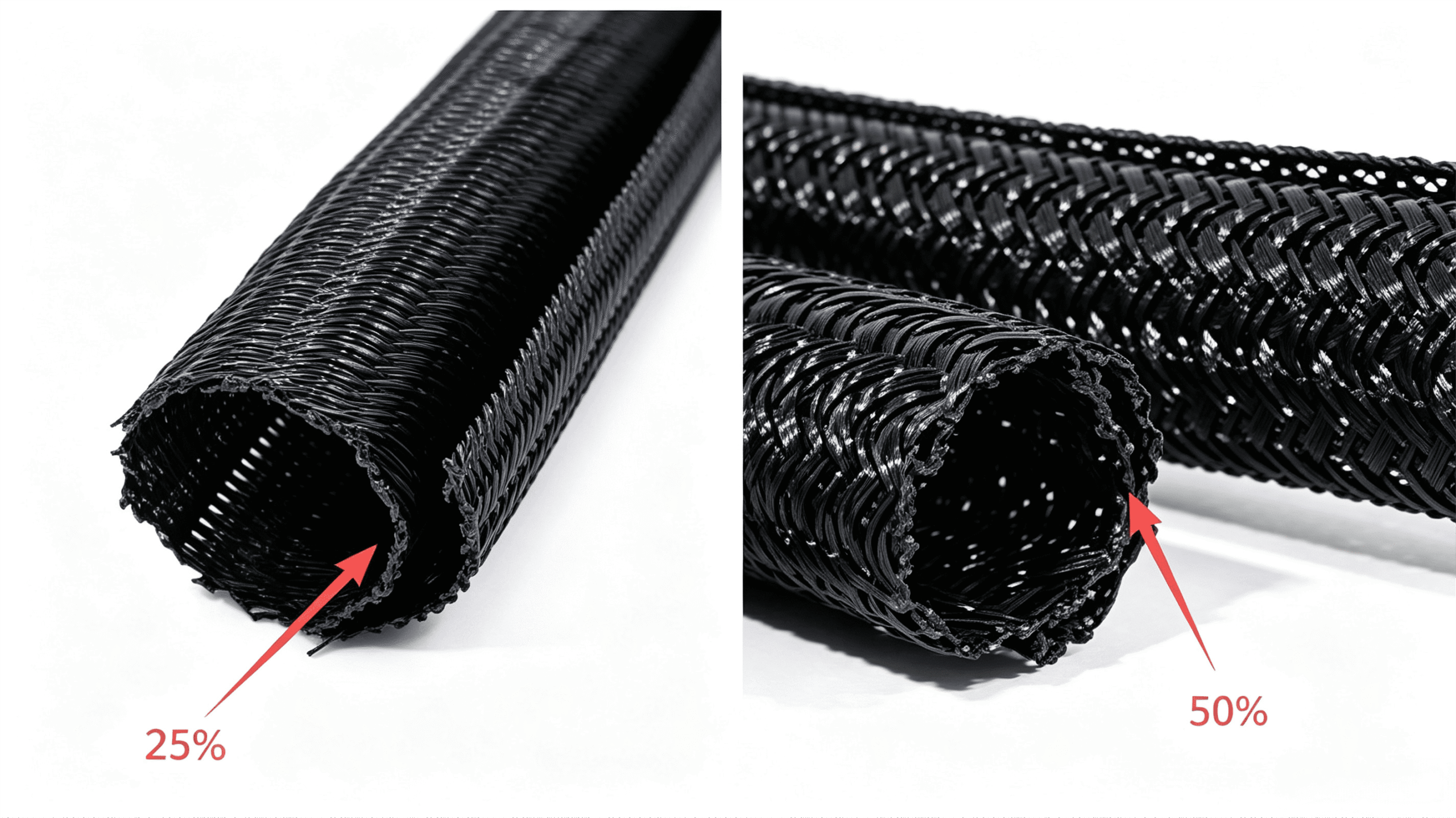
| Overlap Rate | Protection Level | Best For |
|---|---|---|
| 25% | Standard overlap, full closure | General EV battery cable protection |
| 50% | Enhanced overlap, double-layer barrier | High-vibration zones, harsh environments |
| Application | Recommendation |
|---|---|
| Fixed harness, low vibration | 25% |
| Standard battery pack interior | 25% |
| High-vibration zone | 50% |
| Particle-sensitive environment | 50% |
Slit Design — Straight Cut vs. Overlap
| Slit Type | How It Works | Best For |
|---|---|---|
| Straight Cut | Simple cut, no overlap | Low-vibration, one-time install |
| Overlap | Edges overlap to cover the gap | EV battery packs — blocks particle entry |
Why Overlap matters: A straight-cut slit has a continuous gap. Under vibration, the gap acts like a pump — pulling particles into the sleeve. An overlap design blocks entry even if edges shift.
Slit edge stability: In cheap wrap-around sleeving, vibration causes slit edges to curl or fray. Once curled, the sleeve cannot close properly.
Yarn Type — Monofilament, Multifilament, or Blended?
| Yarn Type | Characteristics | Best Application |
|---|---|---|
| Monofilament | Stiff single-strand yarn. Holds shape. Keeps slit closed. | Straight runs, large bend radii |
| Multifilament | Soft bundle of fine strands. Conforms to tight bends. Quieter (better NVH). | Tight battery pack corners |
| Blended | Balances structure and flexibility | Default recommendation for most EV harnesses |
Sizing — The #1 Cause of Split Sleeve Failure
The biggest sizing error is applying common sleeving tolerances to split sleeving.
- Common Sleeving: ID = Cable OD × 1.15–1.20
- Self-wrapping split sleeving: ID = Cable OD × 1.20–1.30
Split designs require extra clearance to fully close and stay sealed.
The Working Range Trap
Self-closing split sleeving has an effective working range — a minimum and maximum cable OD, not just a maximum.
| Sizing Error | What Happens | Consequence |
|---|---|---|
| Cable OD too small | Slit cannot close. Remains a "C" shape. | No protection on the open side. |
| Cable OD too large | Sleeve cannot close. Overstretched. | Same issue — open slit. |
Sizing Guidelines:
| Guideline | Recommendation |
|---|---|
| ID margin vs. cable OD | 20-30% |
| Minimum OD concern | Yes — if too small, slit won't close |
| Maximum OD concern | Yes — if too large, sleeve won't wrap fully |
| Where to find working range | Manufacturer datasheet — look for "maximum bundle diameter" |
Measure your cable bundle OD at its thickest point (include connectors, splices, branches)
Select sleeve ID that is 20-30% larger than bundle OD.
Verify bundle OD falls within the manufacturer’s specified working range.
Test on an actual harness sample before finalizing.
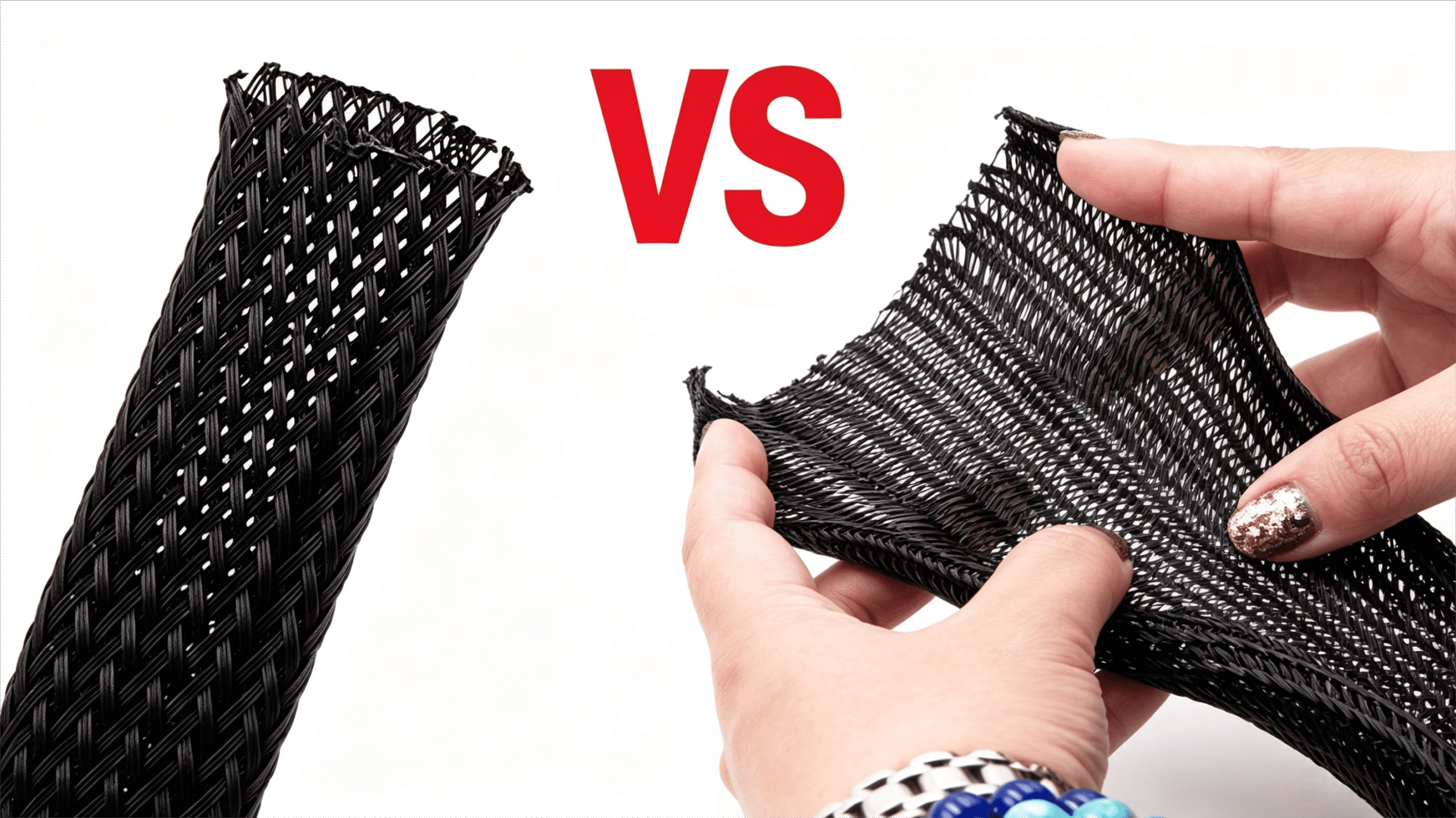
Split vs. Closed — When to Use Which
| Factor | Closed Sleeve | Self-Wrapping Split Sleeve |
|---|---|---|
| Install after termination? | No | Yes |
| Replace without cutting cable? | No | Yes |
| Protection coverage | Full 360° | Slit gap (overlappable) |
| Best for | New production | Rework, service, repairs |
Installation: 3 Mistakes Even Experienced Engineers Make
Mistake #1: Cutting with scissors.
Scissors crush and separate the braid. Cut ends fray immediately. Over time, fraying travels along the edges and the slit separates.
Correct method: Use a hot knife or thermal cutter. Heat seals the cut ends. No fraying.
Mistake #2: Forcing around tight bends.
Forcing a sleeve around a 90° bend without gradually working it into position stretches the weave unevenly and can cause the slit to pop open.
Correct method: Work the sleeve incrementally around the curve. Do not pull it tight.
Mistake #3: Choosing a sleeve that is too loose.
A loose sleeve slides. The slit rotates out of position. Protection ends up on the wrong side.
Correct method: The sleeve should fit snugly — minimal axial movement. If you can slide it more than 10mm, the ID is too large.
Conclusion
Self-wrapping split braided sleeving (also known as wrap-around braided sleeving or self-closing split sleeving) is the optimal mechanical protection solution for modern EV battery cables, solving the core pain points of difficult post-assembly maintenance and rework limitations of traditional sleeving products.
To avoid common split sleeve failures, follow these key rules:
Slit design: Overlap slit design recommended for battery pack environments — blocks particle entry under vibration
Cutting: Use hot knife or thermal cutter to seal cut ends; scissors cause fraying
For customized sizing and scenario-specific product recommendations for your battery pack project, consult our professional technical team for precise support.
FAQ
Q1: What is self-wrapping split braided sleeving?
Constructed from PET or nylon, this flexible harness sleeve features a lengthwise slit so it can be wrapped around pre-terminated cables. Material memory keeps the sleeve closed, with no need to remove terminals during fitting.
Q2: What is the difference between self-wrapping sleeving and corrugated tube?
Self-wrapping sleeving offers superior flexibility and serviceability for tight routing and high-vibration zones. Corrugated tube provides better impact and crush protection for underbody runs. Many applications use both.
Q3: Can I use wrap-around braided sleeving on an already-installed harness?
Yes — the side-entry design allows installation without disconnecting terminals.
Q4: What is the #1 sizing mistake?
Using closed sleeve rules. Self-closing split sleeving needs 20-30% ID margin AND has a working range — too small a cable means the slit stays open.
Q5: How do I prevent the slit from opening?
Choose overlap design, use monofilament or blended yarn, size correctly, and check slit edge treatment.
Q6: Does split sleeving provide electrical insulation?
No. Cable insulation must already meet high-voltage requirements. Split sleeving provides mechanical protection only.
Q7: Can self-closing split sleeving be reused?
Yes, if undamaged. Repeated cycles reduce closure force. For frequent access, specify self-closing.
Q8: What is the working range for split sleeving?
The range between minimum and maximum cable OD that allows proper closure. Check the manufacturer’s datasheet for your specific part number.
Hey there, I’m Cheney!

If you have any questions about cable management sleeve protection, feel free to contact me.
Get A Quote


Related Post You May Also Like
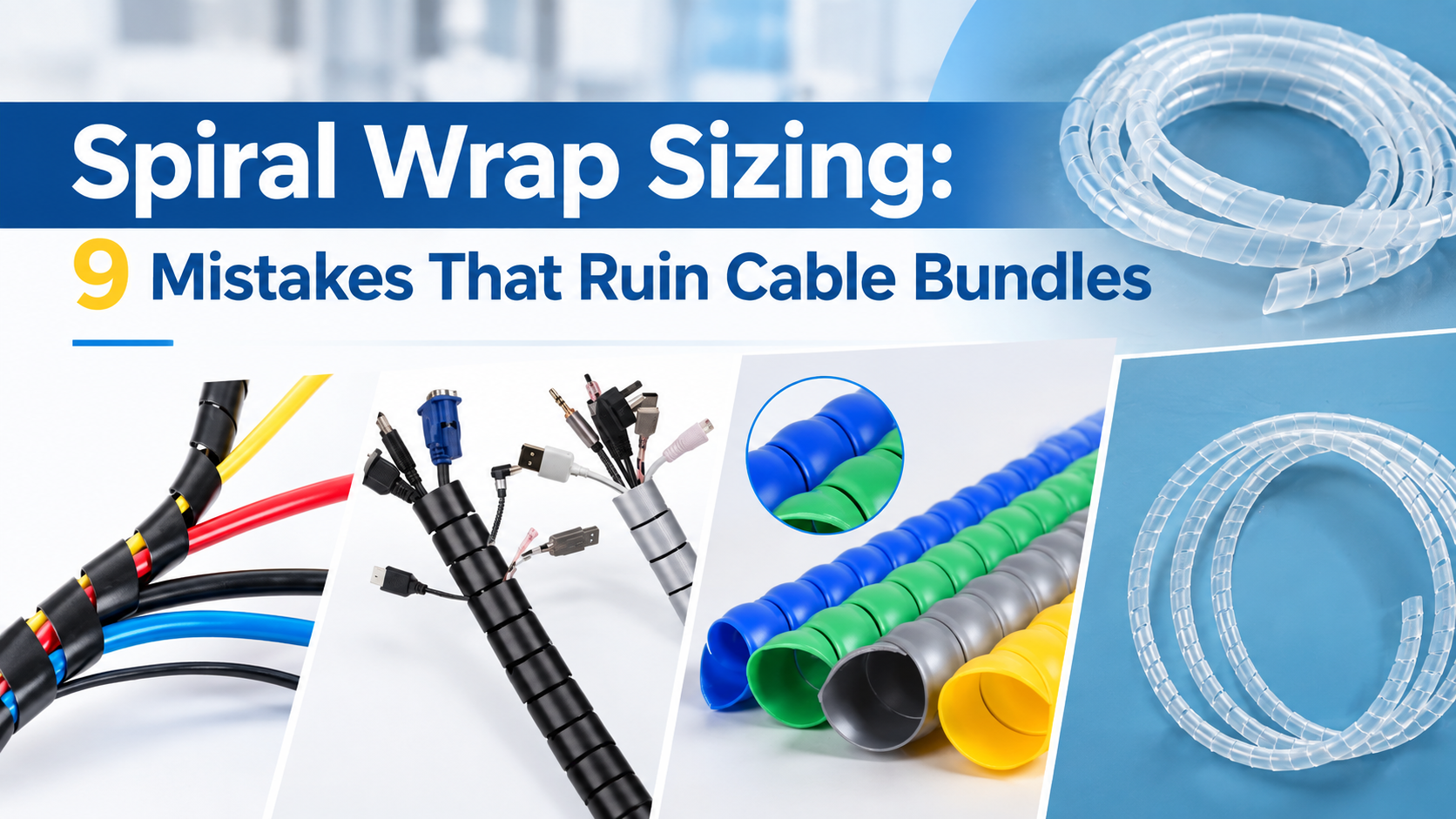
Spiral Wrap Sizing: 9 Mistakes That Ruin Cable Bundles
[pac_divi_table_of_contents included_headings="off|on|on|off|off|off" exclude_headings_by_class="on" active_link_highlight="on" level_markers_3="icons" title_container_padding="10px|15px|10px|15px|true|false" title_container_bg_color="#333333" body_area_height="650px"...
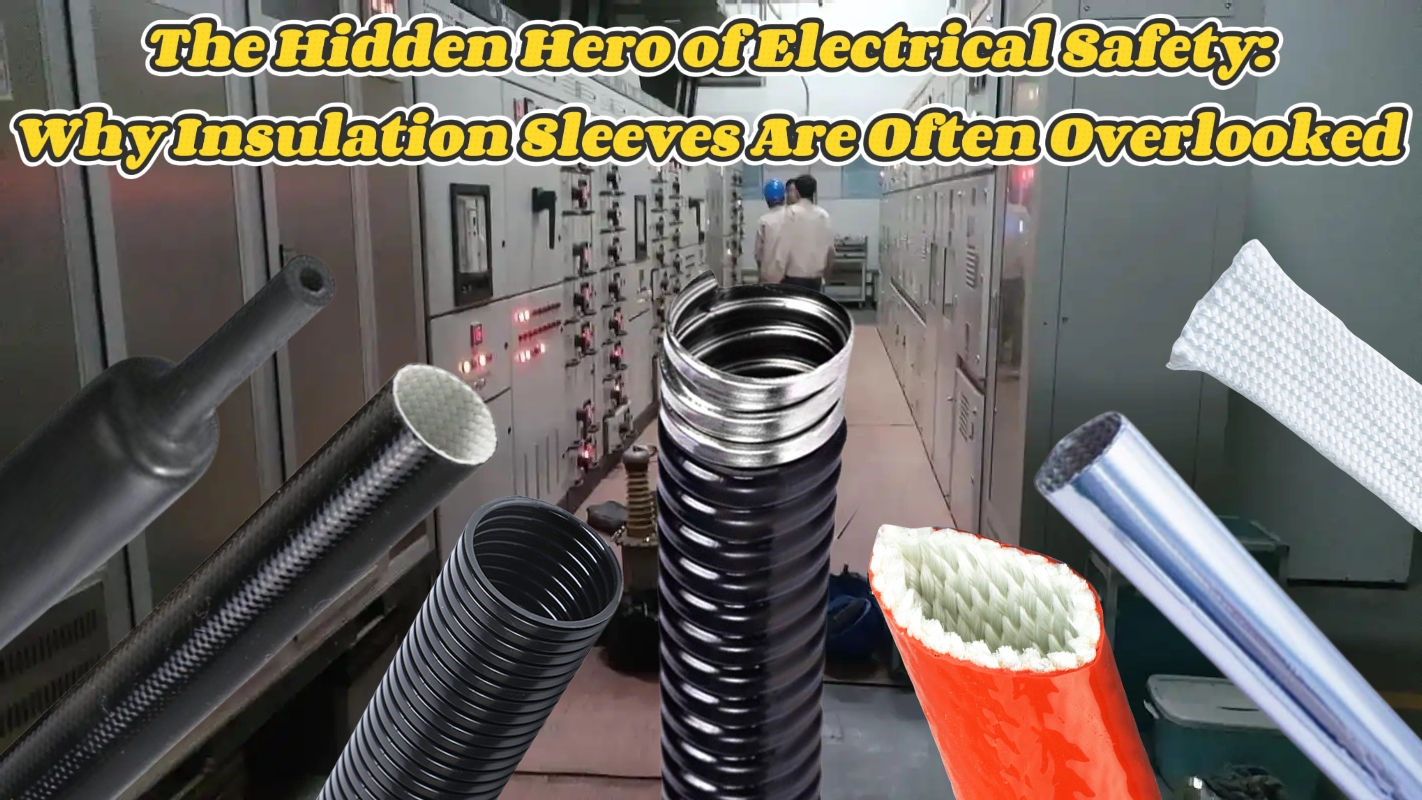
The Hidden Hero of Electrical Safety: Why Insulation Sleeves Are Often Overlooked
[pac_divi_table_of_contents included_headings="off|on|on|off|off|off" exclude_headings_by_class="on" active_link_highlight="on" level_markers_3="icons" title_container_padding="10px|15px|10px|15px|true|false" title_container_bg_color="#333333" body_area_height="650px"...

Best Cable Sleeves for Home Office Cable Management
[pac_divi_table_of_contents included_headings="off|on|on|off|off|off" exclude_headings_by_class="on" active_link_highlight="on" level_markers_3="icons" title_container_padding="10px|15px|10px|15px|true|false" title_container_bg_color="#333333" body_area_height="650px"...
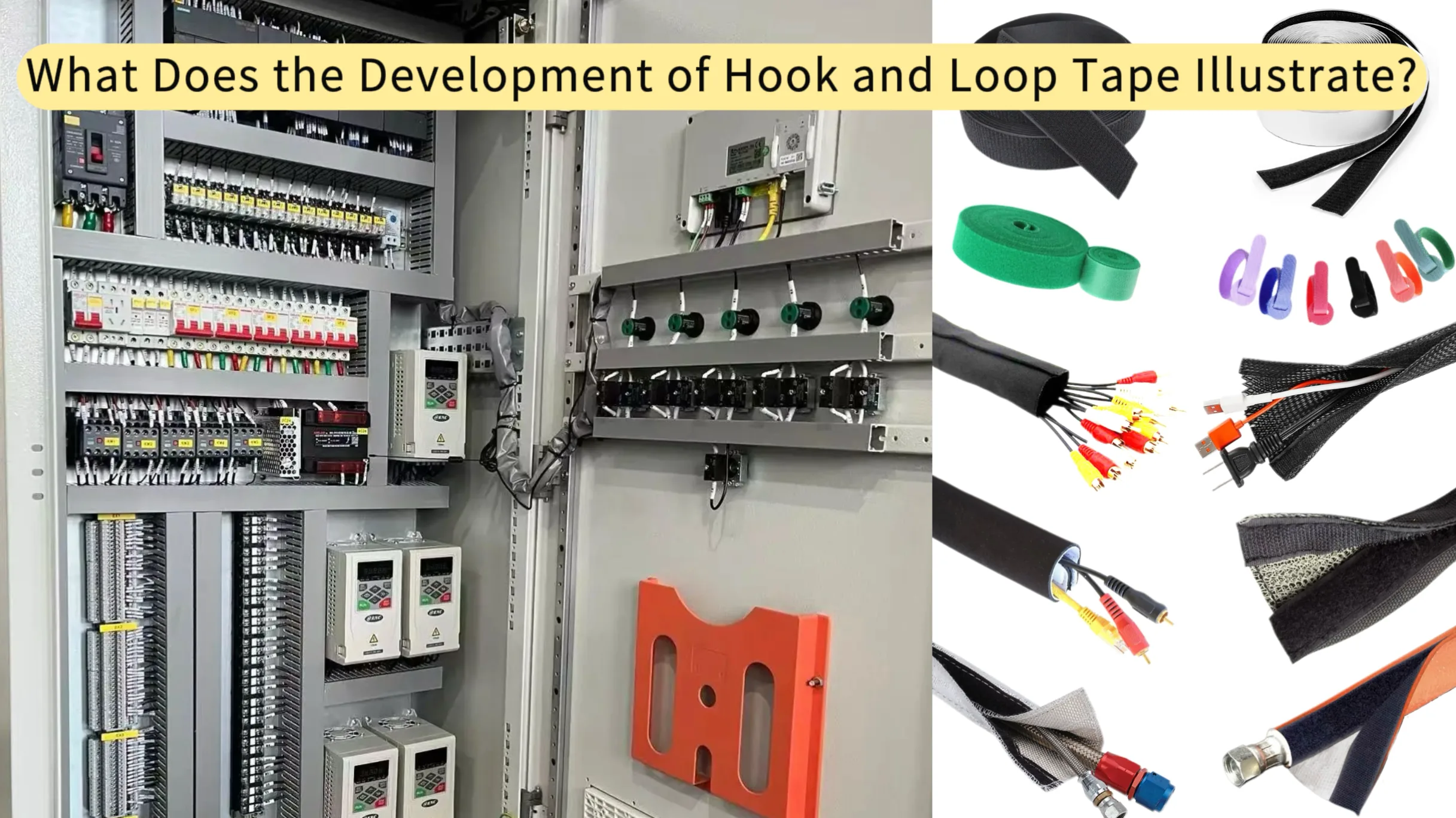
What Does the Development of Hook and Loop Tape Illustrate?
[pac_divi_table_of_contents included_headings="off|on|on|off|off|off" exclude_headings_by_class="on" active_link_highlight="on" level_markers_3="icons" title_container_padding="10px|15px|10px|15px|true|false" title_container_bg_color="#333333" body_area_height="650px"...
0 Comments