
How to Use Wire Sleeves for Electrical Wiring?

In our daily life, there are a lot of messy cables, damaged insulation, or exposed wires; it is an eyesore and a safety risk. How to resolve it, the wire sleeves offer a simple, affordable way to protect, organize, and extend the life of your electrical wiring.
Whether you are upgrading your home setup or working on a DIY project and maintaining machinery, using the wire sleeves will beautify your home, save you time, and prevent costly repairs.

What Are Wire Sleeves?
Wire sleeves are protective tubes or sheaths that wrap around electrical cables to shield them from abrasion, moisture, dust, and other environmental factors.
The wire sleeves have several types, such as heat shrink tubing, braided sleeving, corrugated tubing, high temperature sleeving, etc.
By using wire sleeves, you can:
Prevent damage from friction or sharp edges.
Keep cables and wires neat and organized.
Protect wires from moisture, oil, and chemicals.
Add an extra layer of insulation and safety.
The wire sleeves are versatile and easy to use, from household appliances to automotive wiring and industrial machinery.
First: Choosing the Right Wire Sleeves
Before you begin, it’s important to select the correct wire sleeve type and size for your project.
1.Heat shrink sleeves: Perfect for sealing, insulating, and strengthening cable connections. They shrink tightly when heated, creating a secure, protective layer.

2.Braided sleeving: Excellent for bundling and organizing multiple cables; flexible, expandable, and easy to cut to length. There are open and closed types to choose from.

3.Corrugated tubing: Highly durable and impact-resistant, making them ideal for outdoor environments or heavy-duty industrial applications.

High temperature sleeving: Can work normally in extremely high-temperature environments, protect the wiring harness from being damaged by high temperatures, and ensure the packaging machinery operates normally.
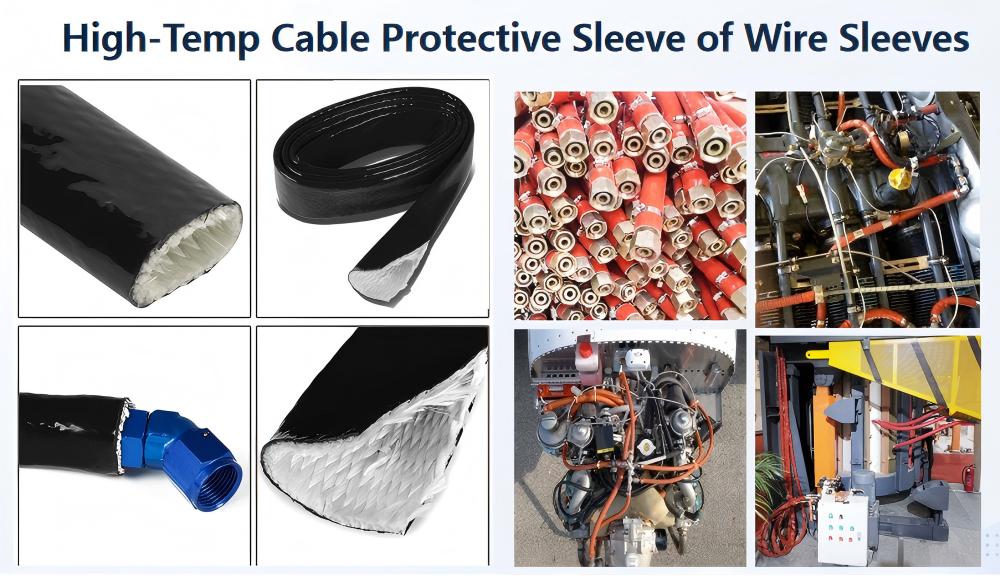
This ensures it slides on easily before tightening or shrinking, while still achieving a snug, reliable fit once in place.
Second: Step-by-Step to Use Wire Sleeves for Electrical Wiring
1. Measure and Prepare
Measure the section of cable or wire you want to cover. Then, cut the wire sleeve slightly longer than needed to ensure full protection at both ends.
2. Clean the Surface
Wipe the wire with a dry cloth to remove dust, grease, or dirt from the surface. A clean cable ensures the wire sleeve fits more securely, especially when using heat shrink tubing for a tight seal.
3. Insert the Cable
Slide the wire sleeve over the wire. For cable bundles, gather the wires neatly and align them before inserting them into the sleeve to avoid tangling and uneven coverage.
4. Apply Heat for some wire sleeve(such as heat shrink sleeves)
Use a heat gun to warm the tubing evenly from the middle toward both ends until it shrinks snugly around the cable.
Keep the gun at a safe distance to prevent overheating or damaging the wire.
5. Inspect the Fit
Check that the wire sleeve is smooth, snug, and free of wrinkles or gaps. Ensure all vulnerable spots, especially connectors and bends, are fully covered for maximum protection.

Professional Tips for Different Scenarios
Home cable management: Use braided wire sleeves behind desks, entertainment centers, or TV cabinets to hide messy cords, keep dust away, and improve appearance.
Outdoor wiring: Use adhesive-lined heat shrink tubing that forms a waterproof, wind-resistant seal after heating.
Automotive or machinery: Select high temperature sleeving that resist heat, oil, and abrasion.
Pet-proofing: Use corrugated tubing to protect wires from chewing, scratching, and impact.
Maintenance and Safety
Even with protection, cables should also be inspected regularly. Replace wire sleeves if they show signs of wear, cracking, or aging. Always turn off the power supply before working on electrical wiring, and keep heat tools away from flammable materials for safety.
Why Wire Sleeves Are Worth It?
Investing a small amount in wire sleeves can save you from costly electrical repairs, prevent hazards, and keep your wiring neat and professional-looking. They’re easy to install, budget-friendly, and available in many types for different applications.
Whether for home, automotive, or industrial projects, wire sleeves should be a must-have in your electrical toolkit.
Conclusion
Wire sleeves tidy and protect wires from damage, with types like heat shrink or braided options. They suit home, outdoor, automotive, and pet-proofing uses, needing regular checks. Cost-effective, they prevent hazards and keep wiring neat—essential for electrical projects.
Hey there, I’m Cheney!

If you have any questions about cable management sleeve protection, feel free to contact me.
Get A Quote


Related Post You May Also Like
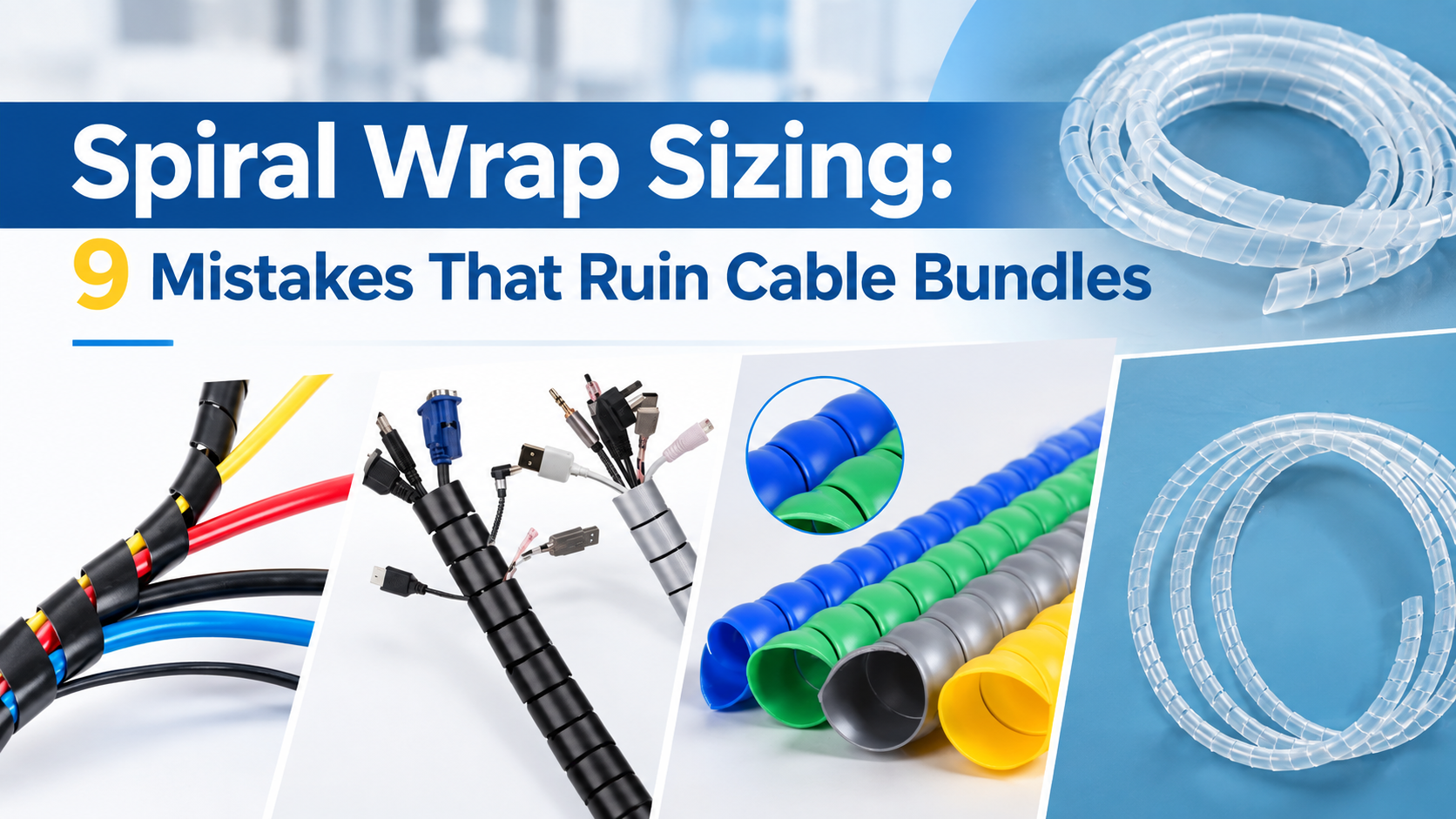
Spiral Wrap Sizing: 9 Mistakes That Ruin Cable Bundles
[pac_divi_table_of_contents included_headings="off|on|on|off|off|off" exclude_headings_by_class="on" active_link_highlight="on" level_markers_3="icons" title_container_padding="10px|15px|10px|15px|true|false" title_container_bg_color="#333333" body_area_height="650px"...
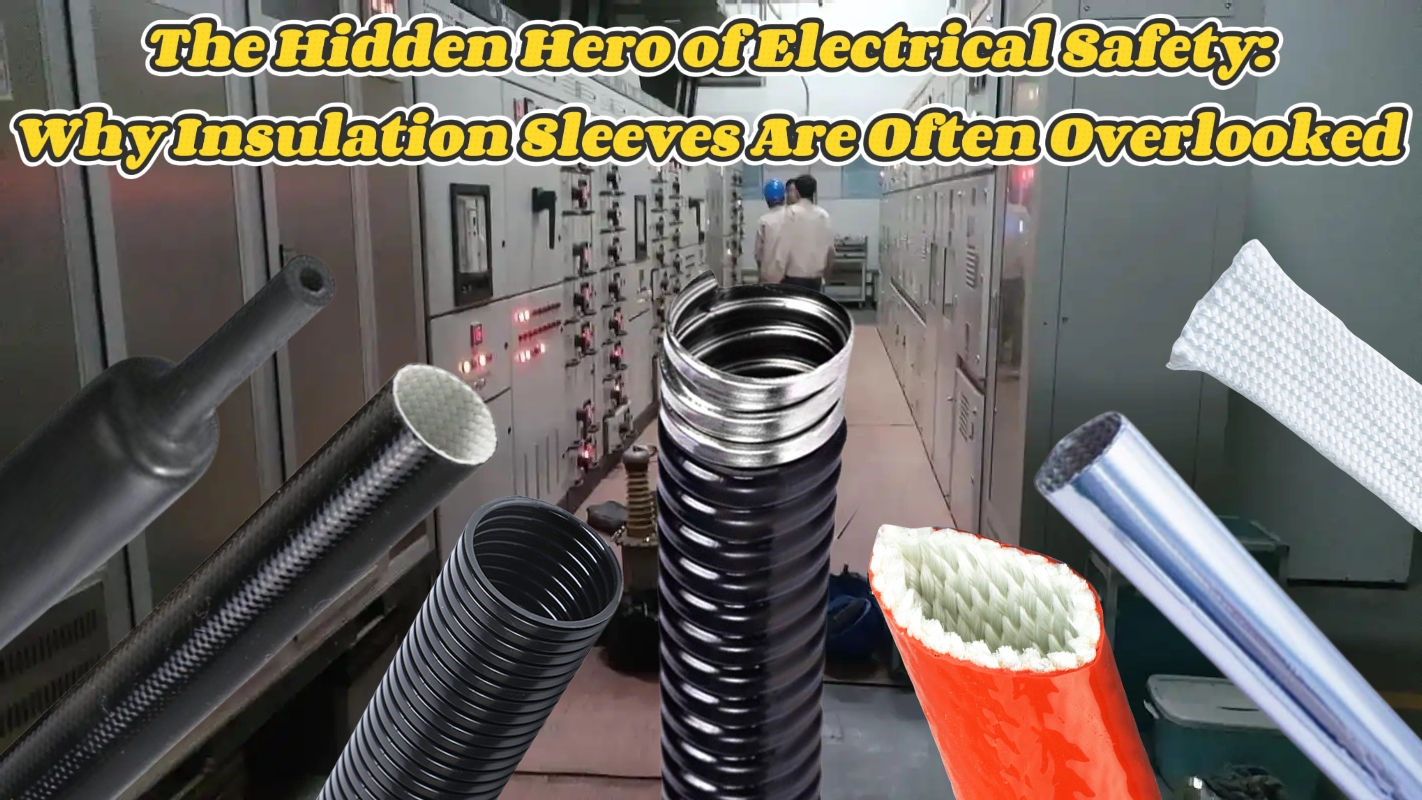
The Hidden Hero of Electrical Safety: Why Insulation Sleeves Are Often Overlooked
[pac_divi_table_of_contents included_headings="off|on|on|off|off|off" exclude_headings_by_class="on" active_link_highlight="on" level_markers_3="icons" title_container_padding="10px|15px|10px|15px|true|false" title_container_bg_color="#333333" body_area_height="650px"...

Best Cable Sleeves for Home Office Cable Management
[pac_divi_table_of_contents included_headings="off|on|on|off|off|off" exclude_headings_by_class="on" active_link_highlight="on" level_markers_3="icons" title_container_padding="10px|15px|10px|15px|true|false" title_container_bg_color="#333333" body_area_height="650px"...

What Does the Development of Hook and Loop Tape Illustrate?
[pac_divi_table_of_contents included_headings="off|on|on|off|off|off" exclude_headings_by_class="on" active_link_highlight="on" level_markers_3="icons" title_container_padding="10px|15px|10px|15px|true|false" title_container_bg_color="#333333" body_area_height="650px"...
0 Comments