
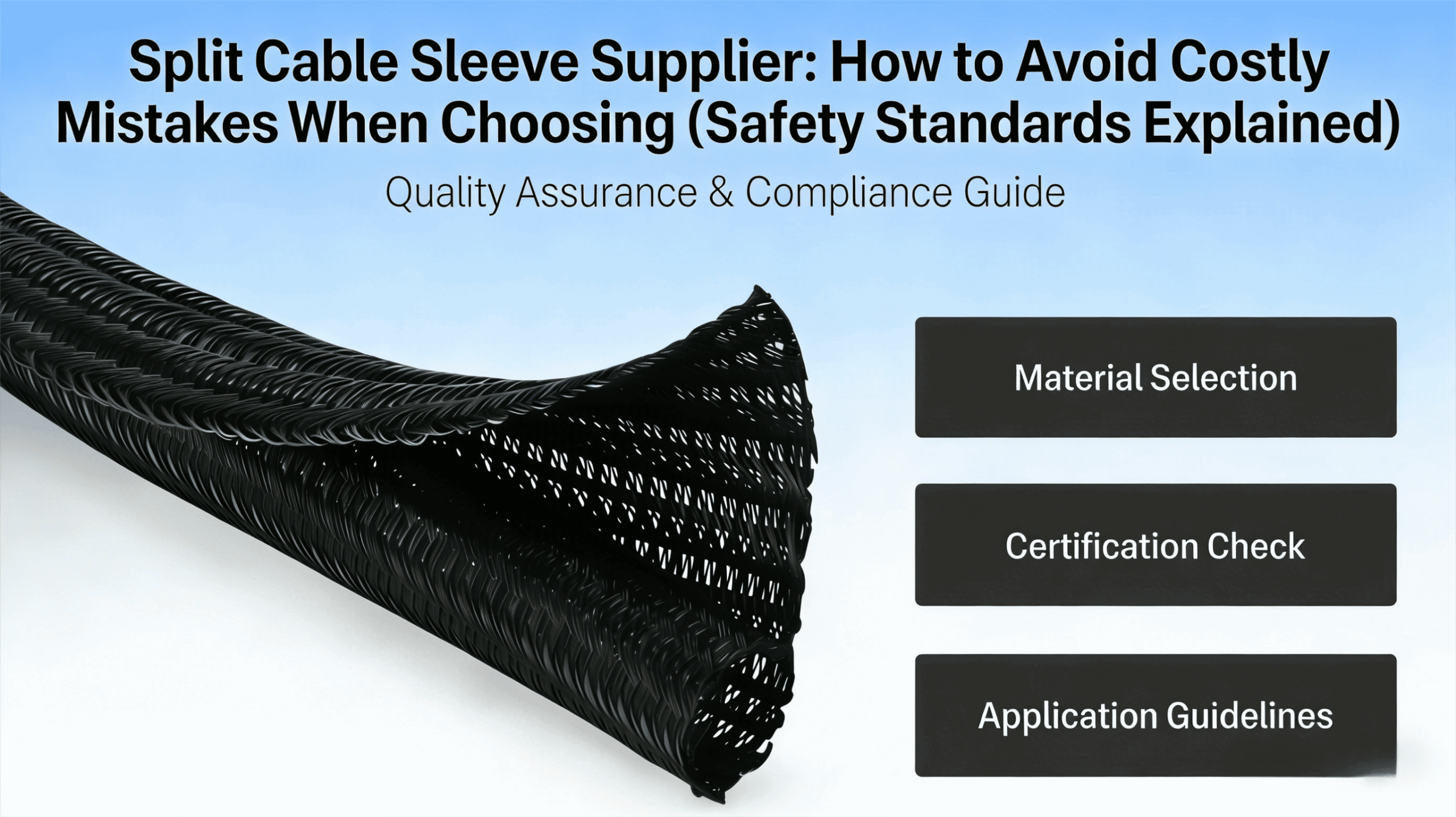
Split Cable Sleeve Supplier: How to Avoid Costly Mistakes When Choosing
Most Problems Don’t Start at Installation — They Start at Sourcing
In many projects, cable sleeving is treated as a small accessory. It does not look important on paper.
But once you are in production or installation, that “small part” can quickly become a problem.
You may have experienced something like this.
The sample looks fine. The price is reasonable. The split cable sleeve supplier responds quickly. Everything feels smooth.
Then during installation, the sleeve does not close properly around the wiring harness. Or it feels too stiff, making routing difficult.
In worse cases, the sleeve starts to deform when exposed to heat inside equipment. If your customer requires flame retardant performance, that is where the real trouble begins.
At that point, changing your split cable sleeve supplier is no longer simple. Production is already moving. Deadlines are fixed. Any change creates delays.
That is why the real decision is not made at installation. It is made when you choose your supplier.
What “Costly Mistakes” Actually Look Like in Real Orders
People often use the phrase “costly mistakes,” but in real sourcing work, these mistakes are very specific.
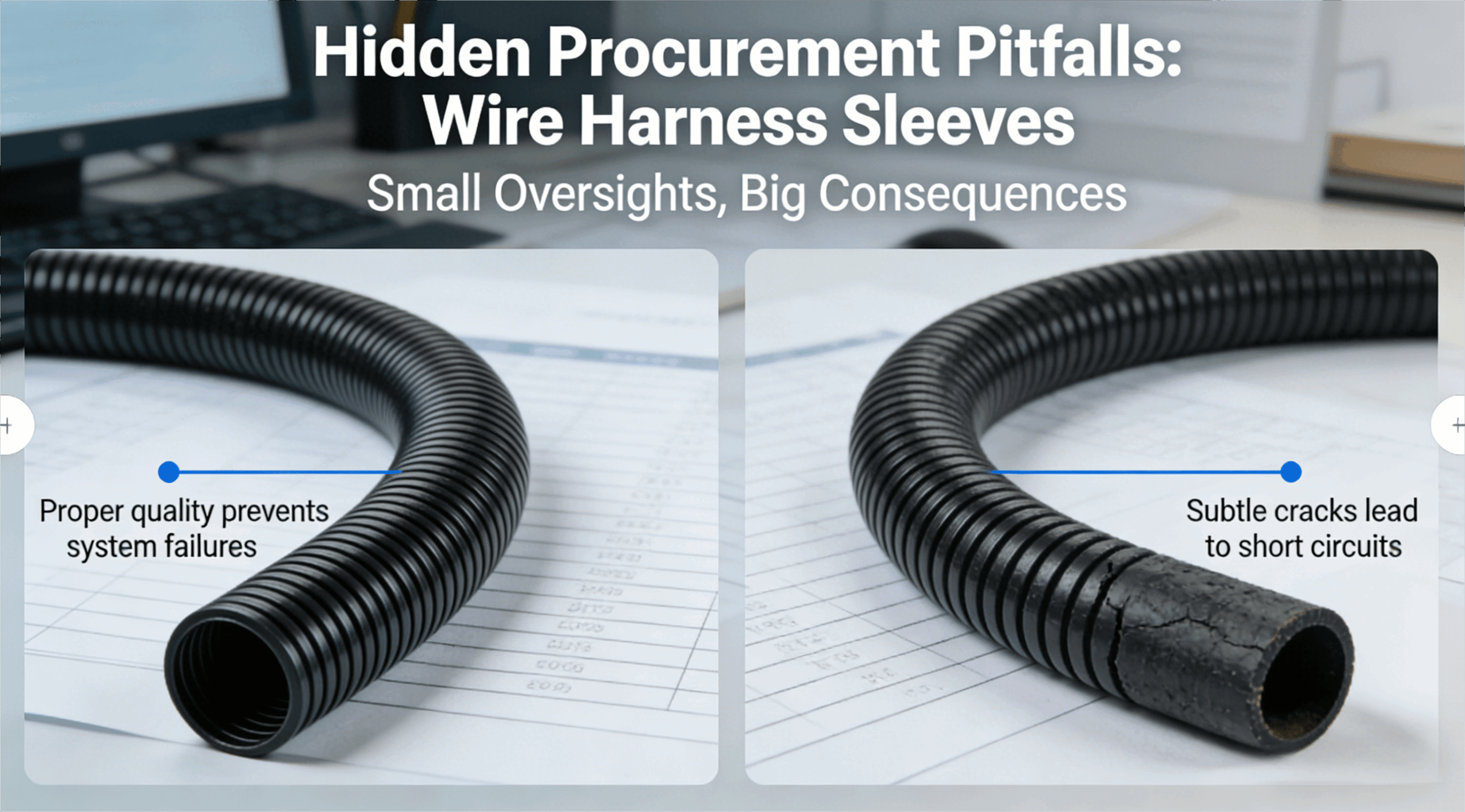
You receive a shipment that looks identical to the sample, but the braid density is slightly lower. You only notice it when the sleeve wears out faster during use.
Or your customer asks for compliance documents. You send what your split cable sleeve supplier gave you, but the customer rejects it because the report does not match the actual product specification.
Another common situation: the sleeve performs well in normal conditions but fails when exposed to higher temperatures inside machinery.
None of these issues are obvious during the quotation stage. That is why many buyers underestimate the risk.
And once the issue appears, the cost is not just replacement. It is rework, delays, and sometimes lost trust.
Safety Standards Are Where Most Buyers Get Misled
Many suppliers will say their product meets certain standards. That is easy to say.
The real question is: does the product you receive actually match those standards?
When working with a split cable sleeve supplier, you need to go one step further.
For example, when a supplier mentions UL94, ask:
- Which rating? V-0 or V-2?
- Is it tested on the exact material you are buying?
- Is the report recent?
The same applies to RoHS or REACH. These are not just labels. They are tied to specific materials and batches.
A common trick is to show a certificate from a similar product, not the exact one.
If a split cable sleeve supplier cannot clearly explain their documentation, you should not assume compliance.
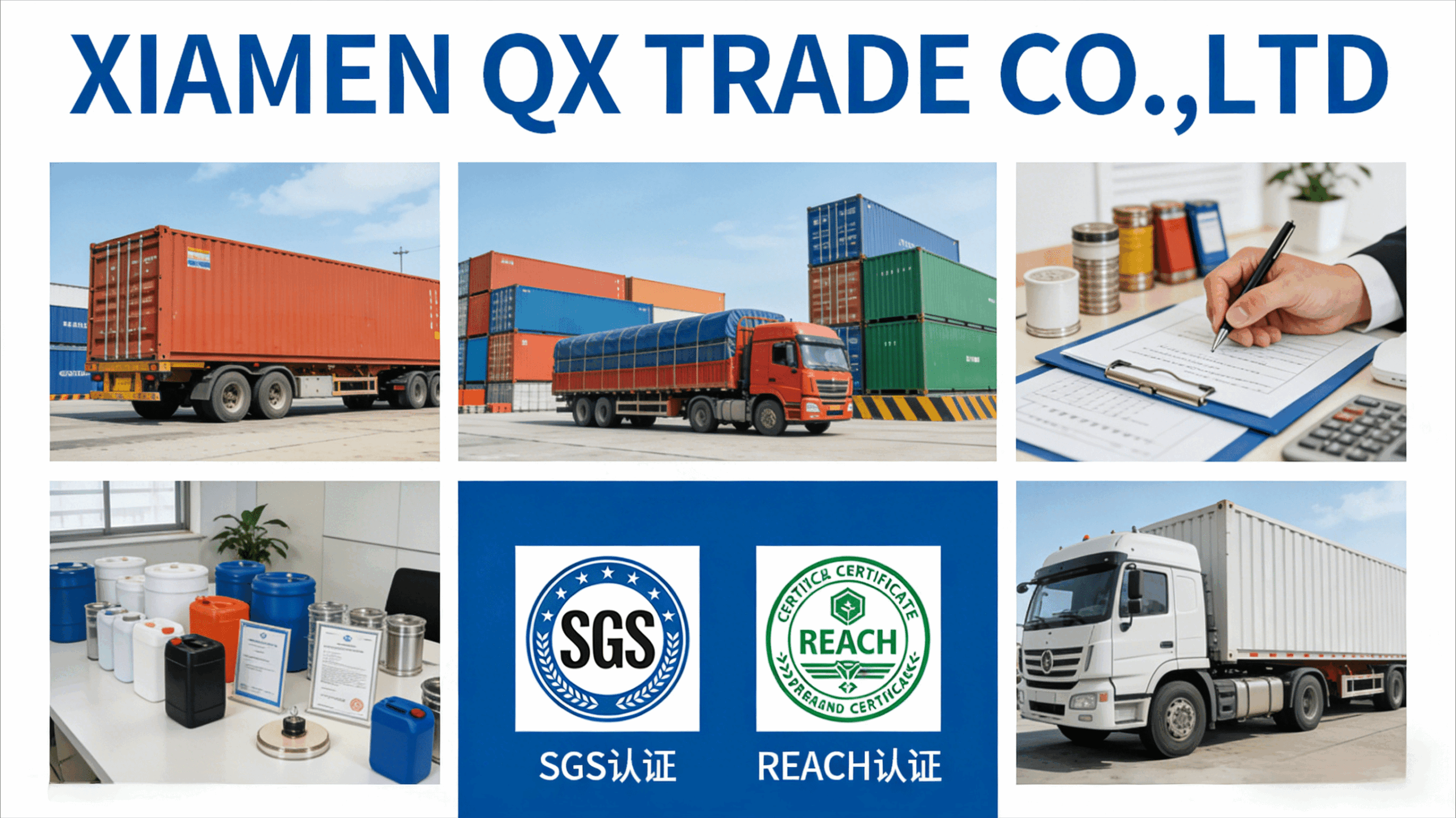
Not All Suppliers Operate the Same Way
One thing you will notice after comparing several suppliers is that many of them offer very similar products.
But behind the surface, the way they operate can be very different.
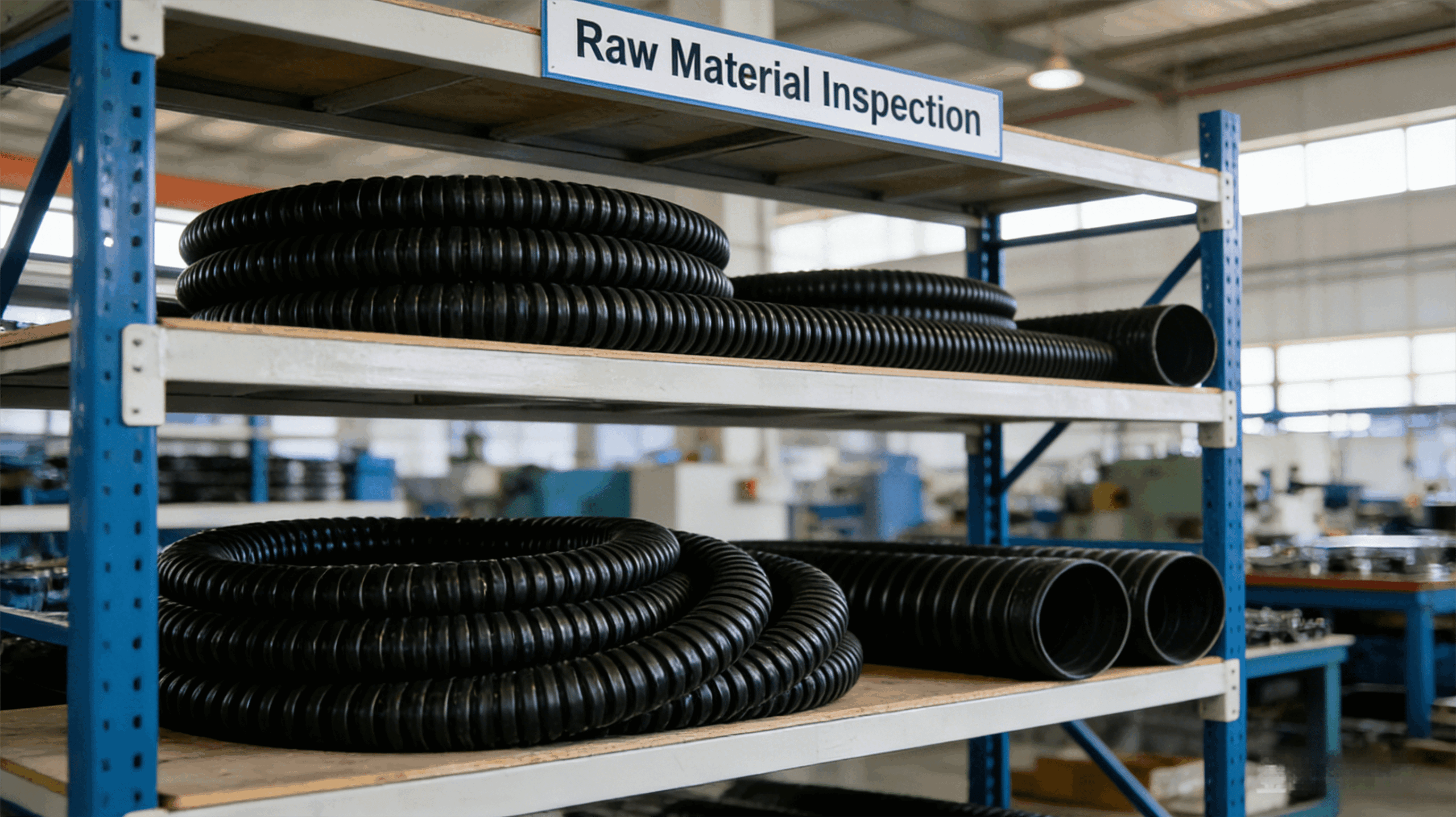
Some suppliers manufacture in-house. Others work with a network of factories. In practice, both models can work well — as long as the supplier has strong control over quality, consistency, and delivery.
The real difference is not whether your split cable sleeve supplier is a factory or a trading company. The key question is: can they fully control the risks in your supply chain?
A reliable supplier should be able to:
- Ensure consistent material and production quality
- Provide accurate and verifiable documentation
- Manage lead times without unexpected delays
- Handle changes or issues quickly and clearly
If a supplier can do all of this, their business model becomes less important. What matters is their ability to deliver stable results.
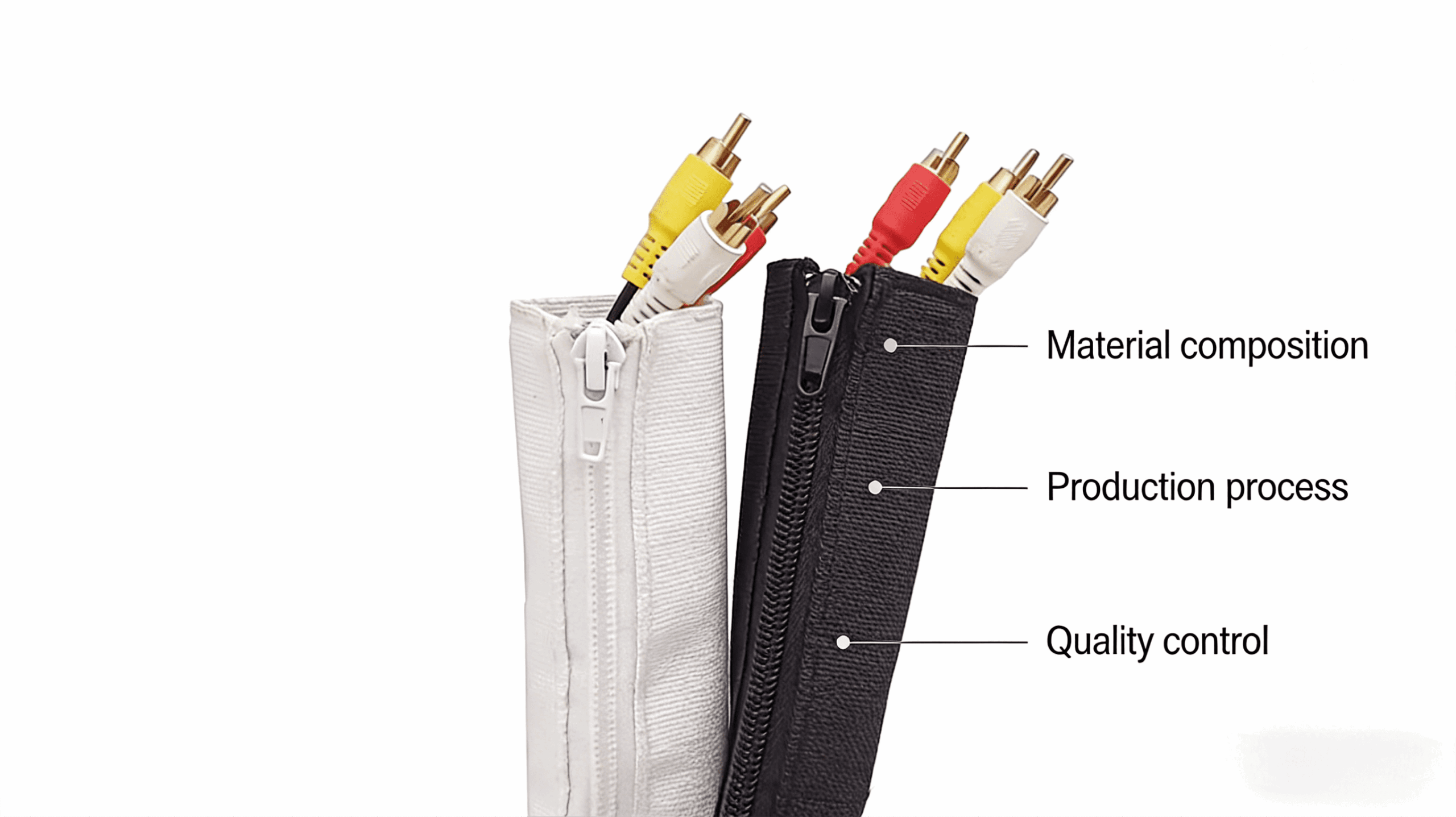
If your supplier cannot answer questions about:
- Material composition
- Production process
- Quality control
Then they are likely not in direct control of production.
This creates risk in consistency. Your first order may be fine. The next one may not be.
That is why it is important to understand who you are really working with.
How to Tell If a Supplier Is Reliable (Beyond What They Say)
At some point, every supplier will tell you they are reliable.
The difference is in how they behave during communication.
When you explain your application, does the split cable sleeve supplier ask follow-up questions? Or do they immediately send a quotation?
A serious supplier will want to know:
- Where the sleeve will be used
- Temperature conditions
- Installation method
If they do not ask these questions, it usually means they are not thinking about your actual use case.
Another small detail: consistency.
If the answers you receive change slightly each time, that is a warning sign. Reliable suppliers are consistent in both information and communication.
Testing Is Not Optional — It Is Where Most Problems Are Found
Many buyers skip detailed testing because it takes time.
But testing is where most problems become visible.
When you receive samples from a split cable sleeve supplier, do not just check the appearance.
Try installing it on actual cables. Bend it. Route it through tight spaces. Expose it to higher temperatures if possible.
You will quickly see differences between products that look similar on paper.
This step is often the difference between a smooth project and a problematic one.

Different Applications Require Different Decisions
Not all split cable sleeves are used the same way.
If you are working with automotive wiring harnesses, the sleeve must handle constant movement and abrasion.
In industrial environments, exposure to oil, heat, and mechanical stress becomes more important.
For office or data applications, ease of installation and appearance may matter more.
A good split cable sleeve supplier will not give you a one-size-fits-all answer. They will adjust recommendations based on your application.
Red Flags Usually Lead to Problems Later
After working with different suppliers, you start to notice patterns.
Certain warning signs almost always lead to issues.
If the price is significantly lower than others, there is usually a compromise somewhere.
If documentation is unclear or delayed, it often means it does not exist in a proper form.
If the supplier avoids sending samples or pushes you to place an order quickly, that is another sign.
When evaluating a split cable sleeve supplier, these signals are often more important than the quotation itself.
What a Good Supplier Feels Like in Practice
When you finally work with a reliable split cable sleeve supplier, the difference is clear.
You do not need to repeat your requirements multiple times. They understand quickly.
You do not need to chase documents. They provide them upfront.
Samples match production. Communication stays consistent.
Over time, this reduces your workload. You spend less time checking and more time moving forward.
That is what a stable supplier relationship should look like.
A Simple Way to Reduce Your Risk Before Ordering
Before placing your order, pause for a moment and review your decision.
Ask yourself:
- Have I tested the product in real conditions?
- Do I fully understand the safety requirements?
- Has the supplier answered all technical questions clearly?
- Am I choosing based only on price?
If any of these answers are uncertain, it is better to wait.
Choosing a split cable sleeve supplier is not about speed. It is about avoiding problems that are harder to fix later.
FAQ – Split Cable Sleeve Supplier
Q1: What is the biggest risk when choosing a supplier?
Inability to consistently provide qualified products on time.
Q2: How can I check if a certification is real?
Ask for full reports and verify if they match the product you are buying.
Q3:. Is a lower price always a problem?
Not always, but it usually indicates differences in material or quality.
Q4:. How important is sample testing?
It is critical. Many issues only appear during real use.
Q5: Can one supplier handle all applications?
Not always. Different applications may require different materials.
Q6:What should I do if communication feels unclear?
Treat it as a warning sign. It often leads to bigger problems later.
Q7: How do I build a long-term supplier relationship?
Start with small orders and evaluate consistency over time.
Q8: What defines a reliable supplier?
Clear communication, consistent quality, and verified compliance.
Start with the Right Supplier, Avoid Problems Later
Choosing the right split cable sleeve supplier is not just about specifications. It is about avoiding risks before they appear and working with a partner you do not have to second-guess.
At Xiamen QX Trade Co., Ltd. (qxcablesleeve.com), we approach sourcing the same way outlined above: clear documentation that matches actual products, consistent production control, and support during sample testing and real-world application.
So instead of reacting to problems later, you can prevent them from the beginning—and move your project forward with confidence.
Hey there, I’m Cheney!

If you have any questions about cable management sleeve protection, feel free to contact me.
Get A Quote
Related Product You May Also Like


Related Post You May Also Like
How Fire Sleeve Protects Cables
[pac_divi_table_of_contents included_headings="off|on|on|off|off|off" exclude_headings_by_class="on" active_link_highlight="on" level_markers_3="icons" title_container_padding="10px|15px|10px|15px|true|false" title_container_bg_color="#333333" body_area_height="650px"...
Spiral Wrap Sizing: 9 Mistakes That Ruin Cable Bundles
[pac_divi_table_of_contents included_headings="off|on|on|off|off|off" exclude_headings_by_class="on" active_link_highlight="on" level_markers_3="icons" title_container_padding="10px|15px|10px|15px|true|false" title_container_bg_color="#333333" body_area_height="650px"...
The Hidden Hero of Electrical Safety: Why Insulation Sleeves Are Often Overlooked
[pac_divi_table_of_contents included_headings="off|on|on|off|off|off" exclude_headings_by_class="on" active_link_highlight="on" level_markers_3="icons" title_container_padding="10px|15px|10px|15px|true|false" title_container_bg_color="#333333" body_area_height="650px"...
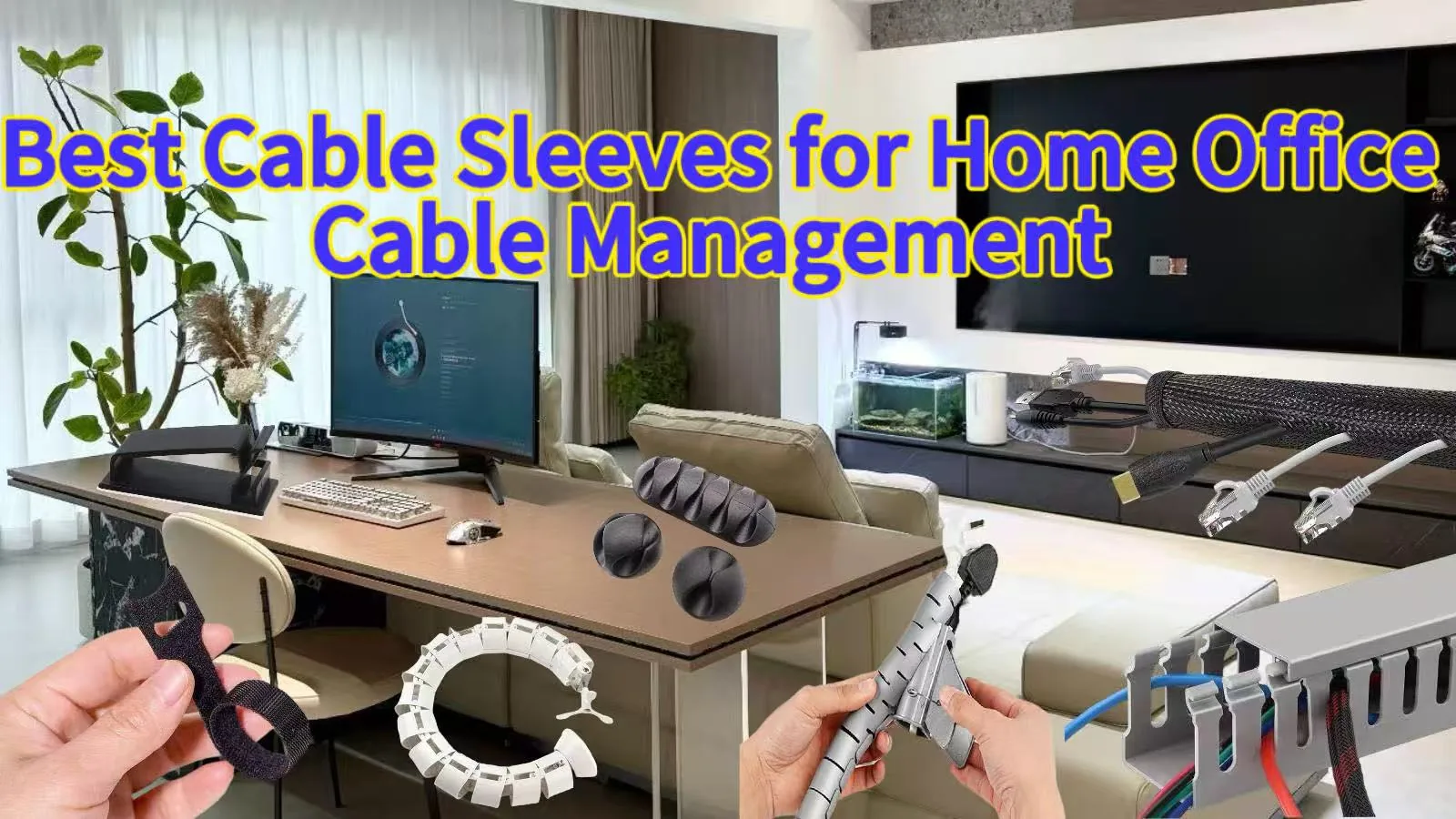
Best Cable Sleeves for Home Office Cable Management
[pac_divi_table_of_contents included_headings="off|on|on|off|off|off" exclude_headings_by_class="on" active_link_highlight="on" level_markers_3="icons" title_container_padding="10px|15px|10px|15px|true|false" title_container_bg_color="#333333" body_area_height="650px"...
0 Comments