
A Guide to What You Need to Know About Electric Cable Sleeves
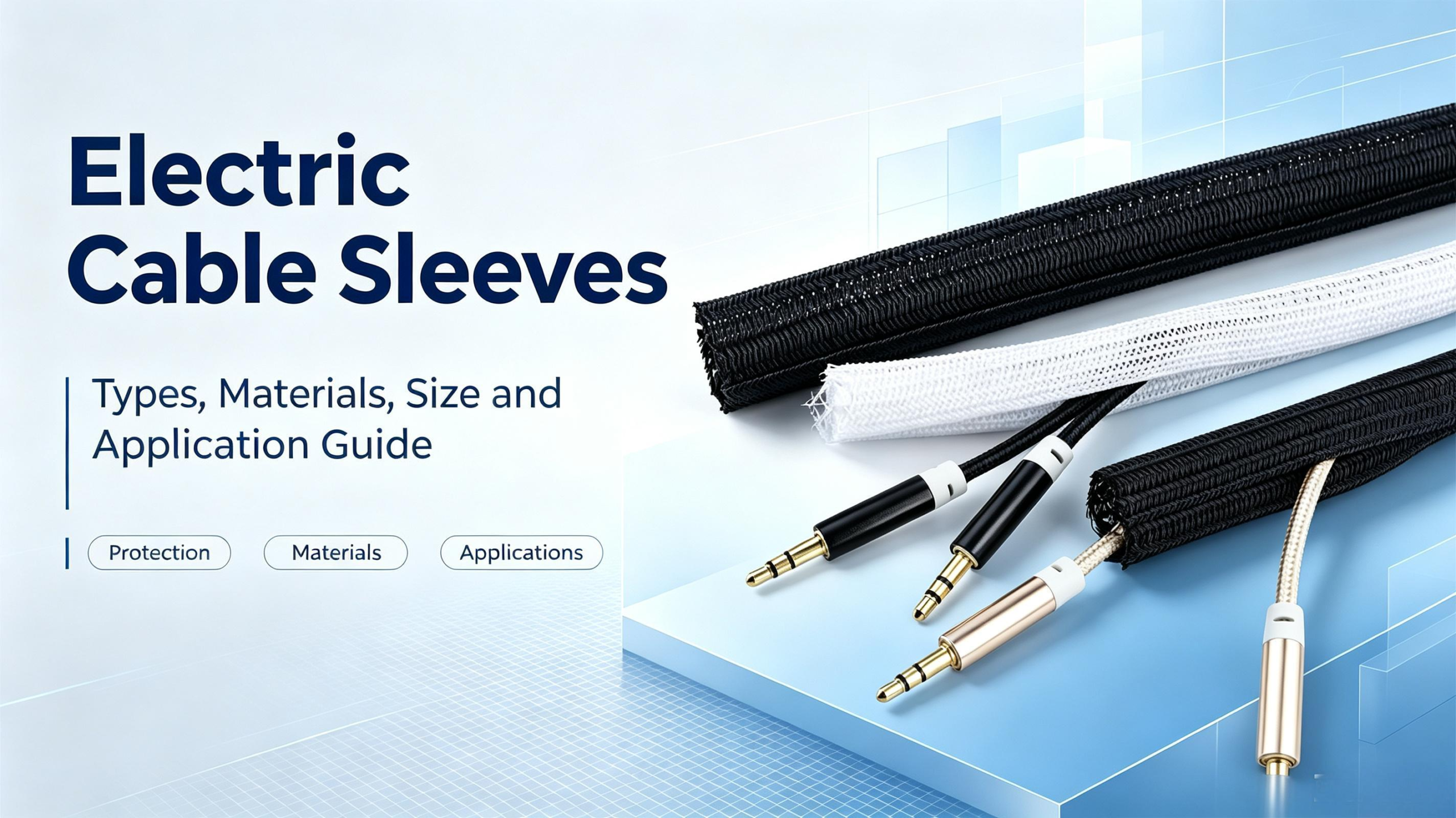
We made this practical guide for industrial buyers, wiring engineers and system integrators. It centers on real field working conditions. It helps you pick suitable abrasion-resistant, flame-retardant or high-temperature cable protection sleeves to avoid on-site wiring failures caused by poor product selection.
1. Main Types of Cable Sleeves
Different wiring environments require different sleeve structures. Each type has clear installation limits and applicable scenarios, which are the primary basis for cable sleeve material selection.
1.1 Expandable PET Braided Cable Sleeve
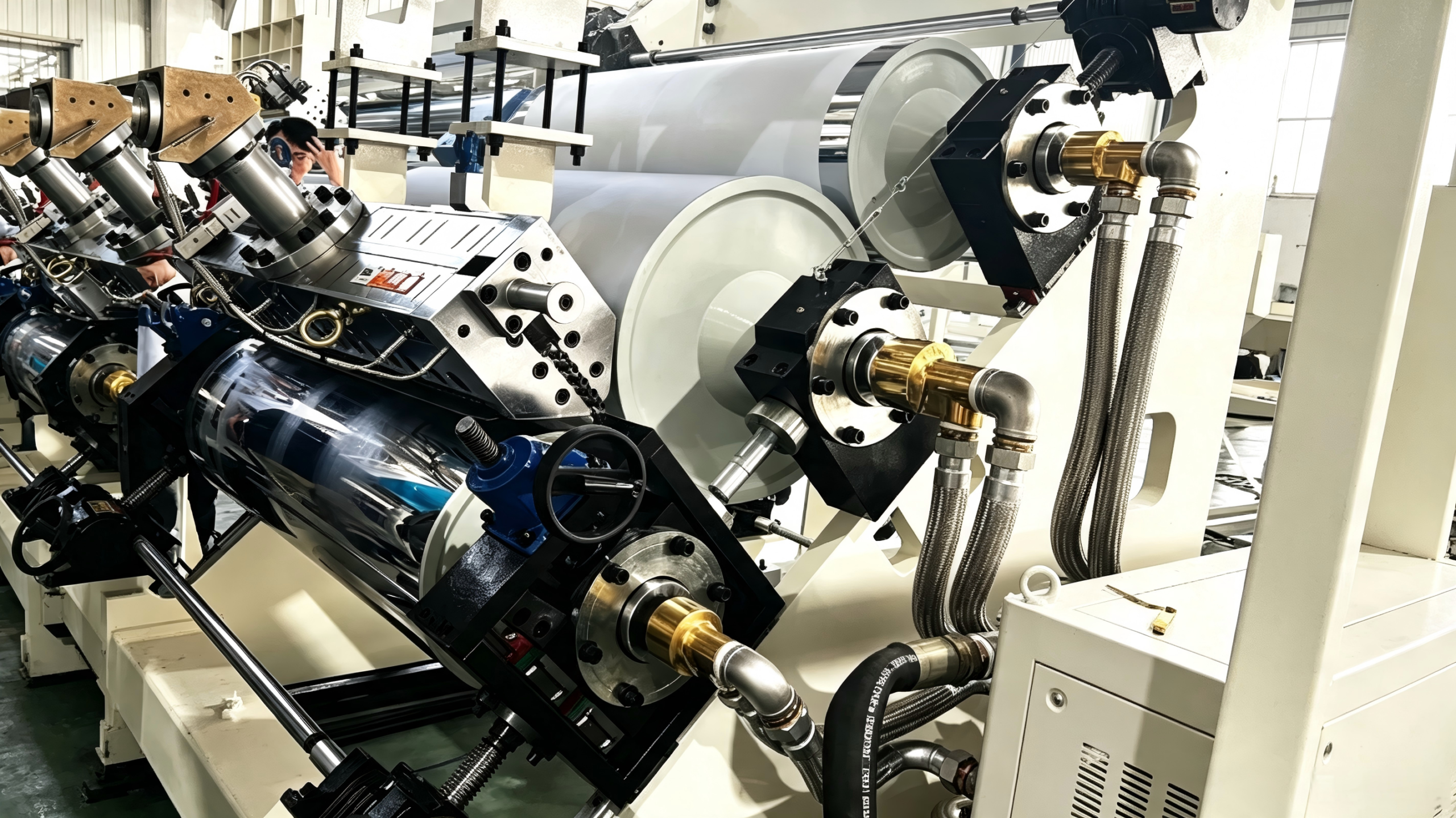
PET braided cable sleeve is the most widely used general-purpose protective sleeve. It features good flexibility and radial expandability, providing stable long-term abrasion resistance for conventional wiring. As a closed tubular sleeve, it requires partial disassembly of finished wire harnesses for threading and bundling. It is suitable for normal-temperature fixed wiring of automation equipment, household appliances and conventional control cabinets.
1.2 Heavy-Duty Abrasion-Resistant Woven Cable Sleeve
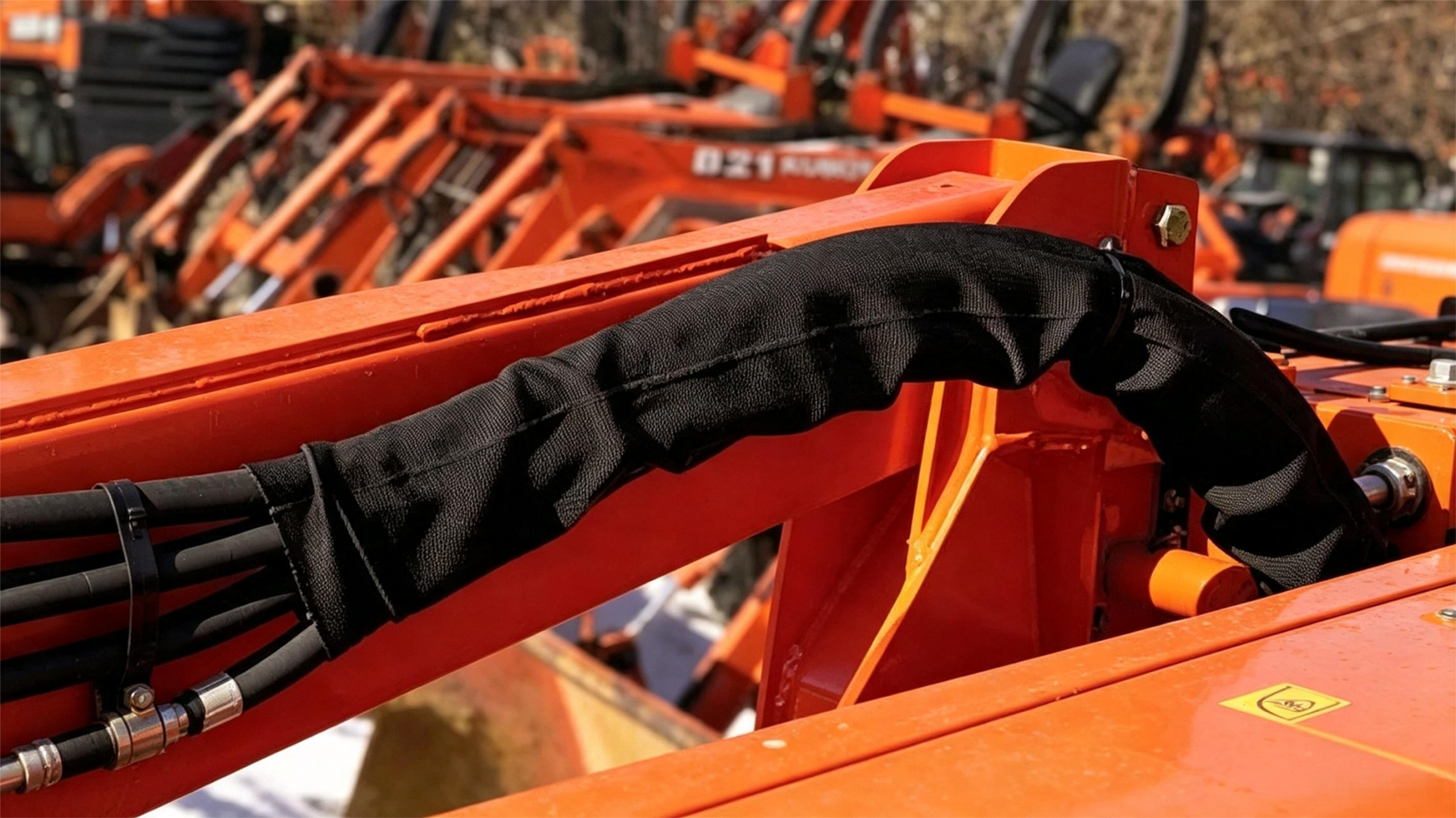
This heavy-duty woven cable sleeve uses tight weaving. It stops fraying and outer jacket damage when exposed to constant back-and-forth friction and repeated bending. It maintains flexibility while greatly improving mechanical wear resistance. It is mainly used for dynamic moving wiring, such as robotic arms and automated production equipment that work continuously and bend frequently.
1.3 Extruded Heat-Shrink Tubing
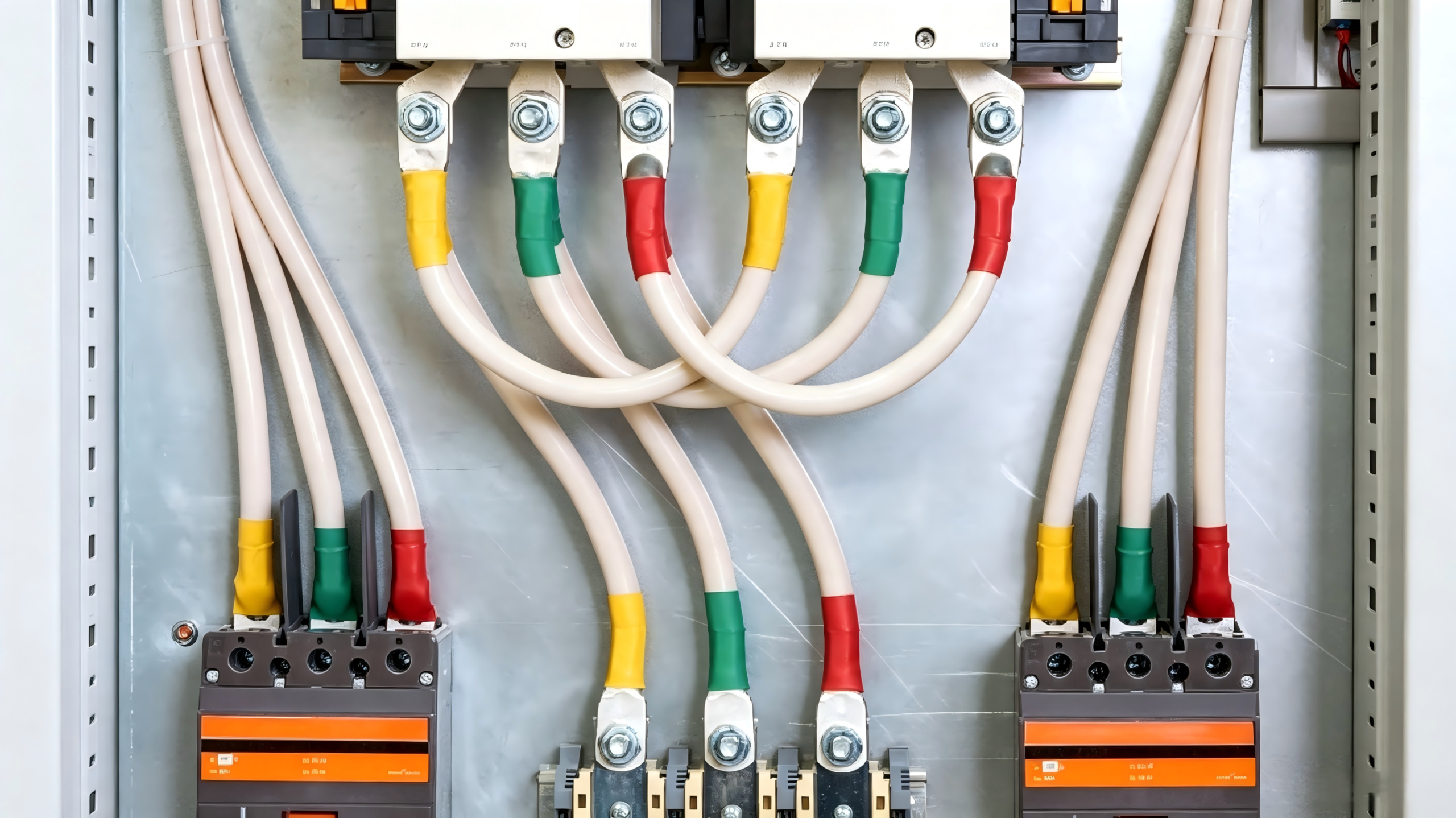
Heat-shrink tubing shrinks firmly around wires for a sealed insulation layer. Unlike braided sleeves you can reuse, heat-shrink tubing is single-use.
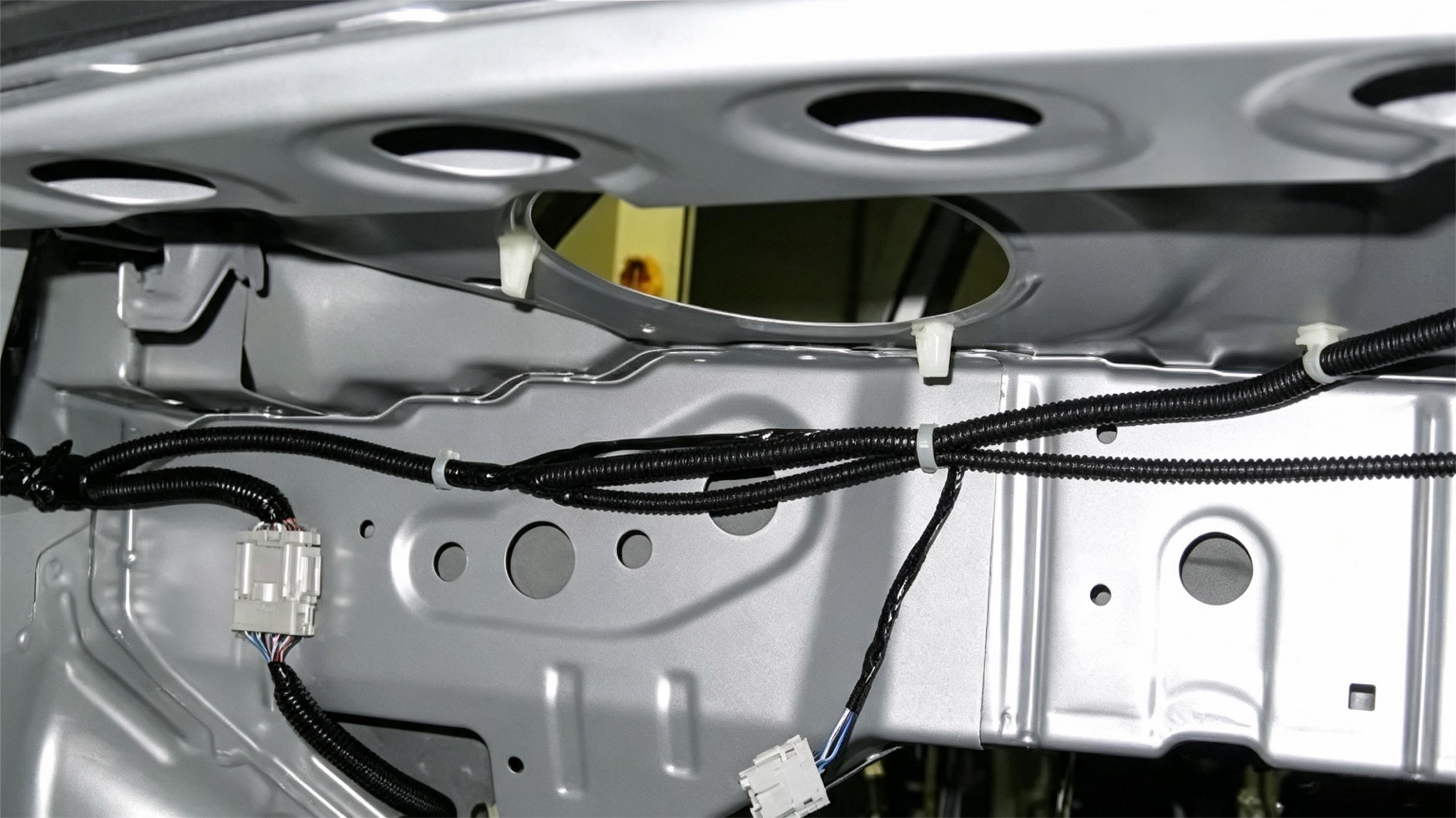
The open structure can be directly wrapped on finished cable harnesses without disassembling wires. Users can add, remove, or adjust single cables at any time in the later stage, which is very suitable for test equipment, debugging equipment and wiring scenarios that require frequent modification and cable sleeve installation maintenance.
1.5 Flame-Retardant PET Braided Sleeve
Based on conventional PET weaving, this sleeve adds a flame-retardant formula with self-extinguishing performance. It does not burn continuously when encountering open fire, meeting industrial electrical safety standards.
It is widely used in the internal wiring of control cabinets, low-voltage power harnesses and fire-safety required equipment.
1.6 Hook and LoopTape (Auxiliary Accessory)
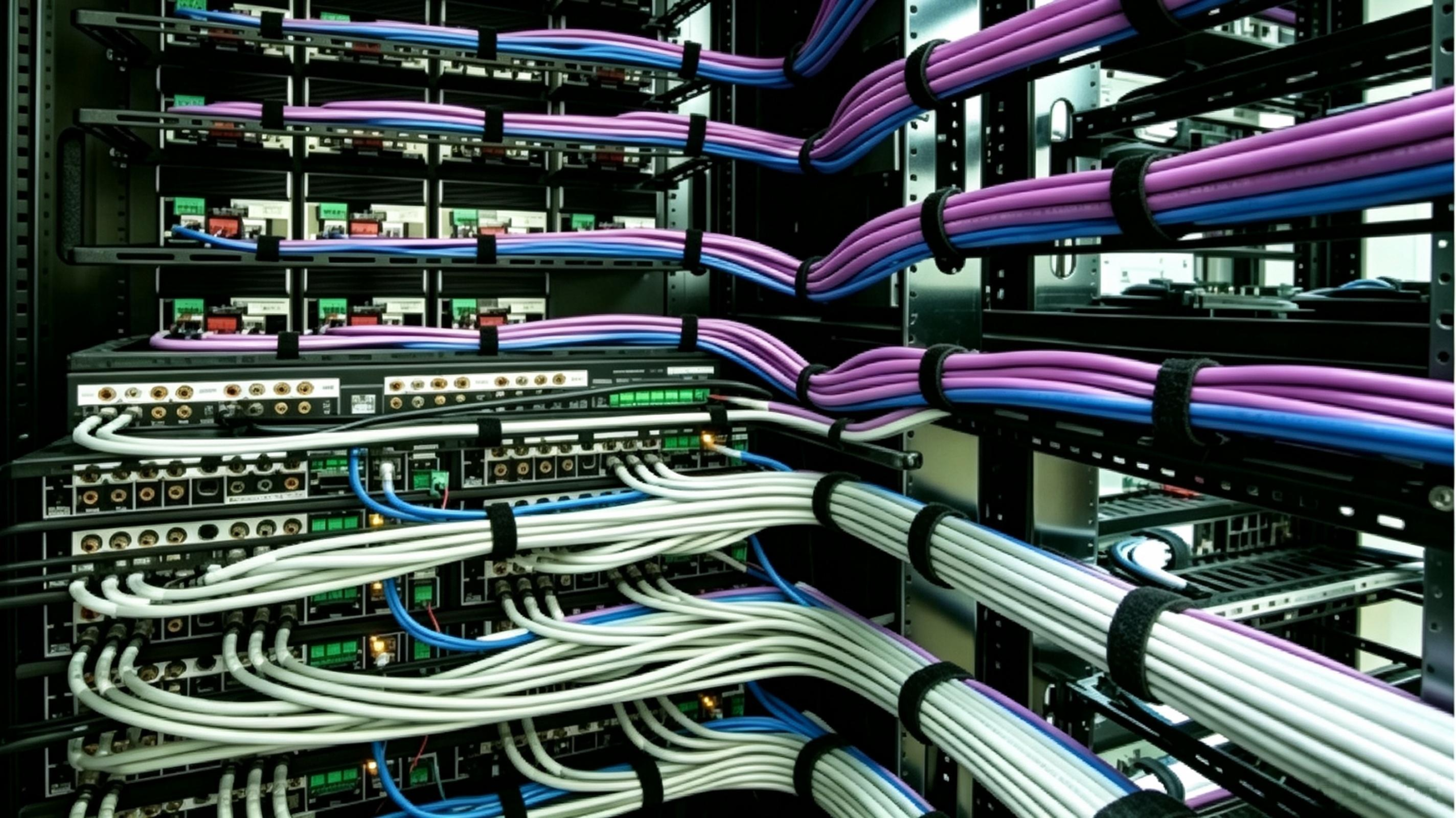
Hook and loop tape is not a protective sleeve, but a necessary supporting accessory. It is used to organize scattered wire harnesses in advance, make the sleeve process smoother, and facilitate later inspection and maintenance of wiring.
2. Sleeve Materials and Practical Performance Analysis
Material determines the service life, environmental adaptability and failure risk of cable sleeves. No single material can adapt to all working conditions. The following is the actual industrial performance summary of mainstream materials:
2.1 PET
Cost-effective and wear-resistant, suitable for most conventional indoor wiring. The long-term continuous working temperature shall not exceed 120°C. Ordinary PET has no flame-retardant function and is not suitable for high-temperature and fire-proof occasions.
2.2 PA (Nylon)
Higher abrasion resistance and tear resistance than PET. It is the best choice for wiring that frequently rubs against metal shells, mechanical frames and sharp edges, and is widely used in industrial machinery and automotive wiring harness sleeve applications.
2.3 Fiberglass
Excellent high temperature resistance and thermal insulation performance, suitable for heating equipment, industrial furnaces and high-temperature radiation environments. The disadvantage is poor wear resistance, so it is not recommended for frequently rubbed dynamic wiring.
2.4 Tinned Copper Foil Yarn
With excellent electromagnetic shielding function, it can effectively isolate external signal interference and prevent internal electromagnetic leakage. It is specially used for precision equipment such as data transmission lines, sensor wiring and control signal harnesses.
2.5 Silicone
It has stable elasticity in a wide temperature range, with ozone resistance, aging resistance and flame retardancy. It can withstand frequent bending for a long time, and is suitable for movable wiring, outdoor equipment, household appliances and automotive parts wiring.
2.6 PTFE (Teflon)
Top-level industrial grade material, with high temperature resistance, corrosion resistance and ultra-low friction surface. It is the preferred protective material for EV battery harness sleeves and high-temperature industrial equipment wiring.
3. Key Purchasing & Selection Indicators
To avoid batch product mismatch and on-site wiring failure, purchasers must confirm the following core parameters before ordering:
1. Expandable diameter range: Match the maximum outer diameter of the wire harness to ensure smooth sleeves and no excessive extrusion.
2. Abrasion resistance grade: Focus on long-term metal friction resistance for mechanical dynamic wiring.
3. Continuous working temperature: Confirm upper and lower temperature limits to prevent material aging and cracking.
4. Flame retardant grade: Meets local electrical safety standards for cabinets and power equipment.
5. Cutting resistance, installation difficulty and reusability: Balance one-time wiring cost and later maintenance cost.
4. Industrial Application Scenarios
High-quality cable sleeves solve practical wiring pain points in multiple high-standard industries:
• New energy vehicles and EV battery harness: Protect high-voltage wires from metal shell friction and avoid short-circuit risks.
• Photovoltaic cable sleeve applications: Protect outdoor overhead cables from sharp metal bracket friction and outdoor aging.
• Automated production line equipment: Protect repeatedly bent movable wiring to reduce harness breakage failure rate.
• Medical precision equipment: Ensure stable and safe internal wiring protection.
• Household appliances, charging piles and control cabinets: Standardize wiring and improve overall electrical safety.
• Automotive internal wiring: Adapt to vehicle vibration, bending and temperature-changing environments.
5. Manufacturer Practical Tips & Purchasing Pitfalls
Based on long-term industrial supporting experience, we summarize targeted selection suggestions to help customers avoid ineffective investment:
1. PET braided sleeves are preferred for conventional indoor fixed wiring, but never used for long-term over-temperature working environments.
2. For harnesses that need frequent wire addition and adjustment, choose open spiral sleeves instead of closed braided sleeves.
3. For wiring with frequent friction and mechanical wear, prioritize PA nylon sleeves to extend service life.
4. Silicone sleeves are more suitable for flexible movable wiring and outdoor anti-aging scenarios.
5. Do not purchase ultra-thin low-cost spiral sleeves for dynamic friction environments; inferior materials will wear through wire insulation in the long run and cause equipment failure.
6. FAQ
Q1: What is an electrical sleeve?
These flexible tubes come woven, braided or extruded. They insulate wires and protect wire harness sleeves.
Q2: What is the purpose of cable sleeves?
They shield cables against wear, friction and heat, and keep harnesses tidy.
Q3: How to install a cable sleeves?
Closed sleeves require threading wires through. Split spiral sleeves wrap finished harnesses directly. Heat shrink tubing needs heating.
Q4: How do I pick the correct size braided sleeves?
Measure the max outer diameter of bundled wires. Choose sleeves whose expanded range covers your harness.
Q5: Can PET cable sleeves withstand high-temperature environments?
Standard PET sleeves handle continuous use up to 120°C. Use high-temperature sleeves for hotter conditions.
Q6: Are common PET braided sleeves flame-retardant?
Ordinary PET sleeves have no flame resistance. Select customized flame-retardant grade for cabinet projects.
Conclusion
Reasonable selection of high-quality electric cable sleeves can effectively reduce wiring abrasion faults and greatly improve the service life of industrial wiring harnesses in harsh environments. All sleeve types and materials have their own applicable boundaries. The most suitable matching scheme must be formulated according to actual temperature, friction, dynamic bending and safety standards.
We support custom-sized and custom-performance cable management sleeves for all industrial-grade projects. Welcome to consult us for targeted solutions.
Hey there, I’m Cheney!

If you have any questions about cable management sleeve protection, feel free to contact me.
Get A Quote


Related Post You May Also Like
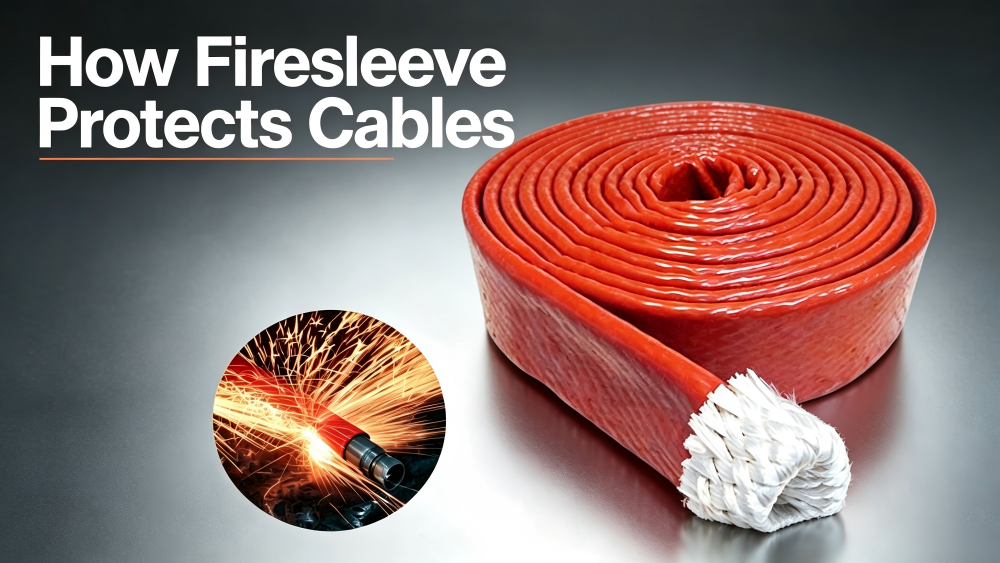
How Fire Sleeve Protects Cables
[pac_divi_table_of_contents included_headings="off|on|on|off|off|off" exclude_headings_by_class="on" active_link_highlight="on" level_markers_3="icons" title_container_padding="10px|15px|10px|15px|true|false" title_container_bg_color="#333333" body_area_height="650px"...
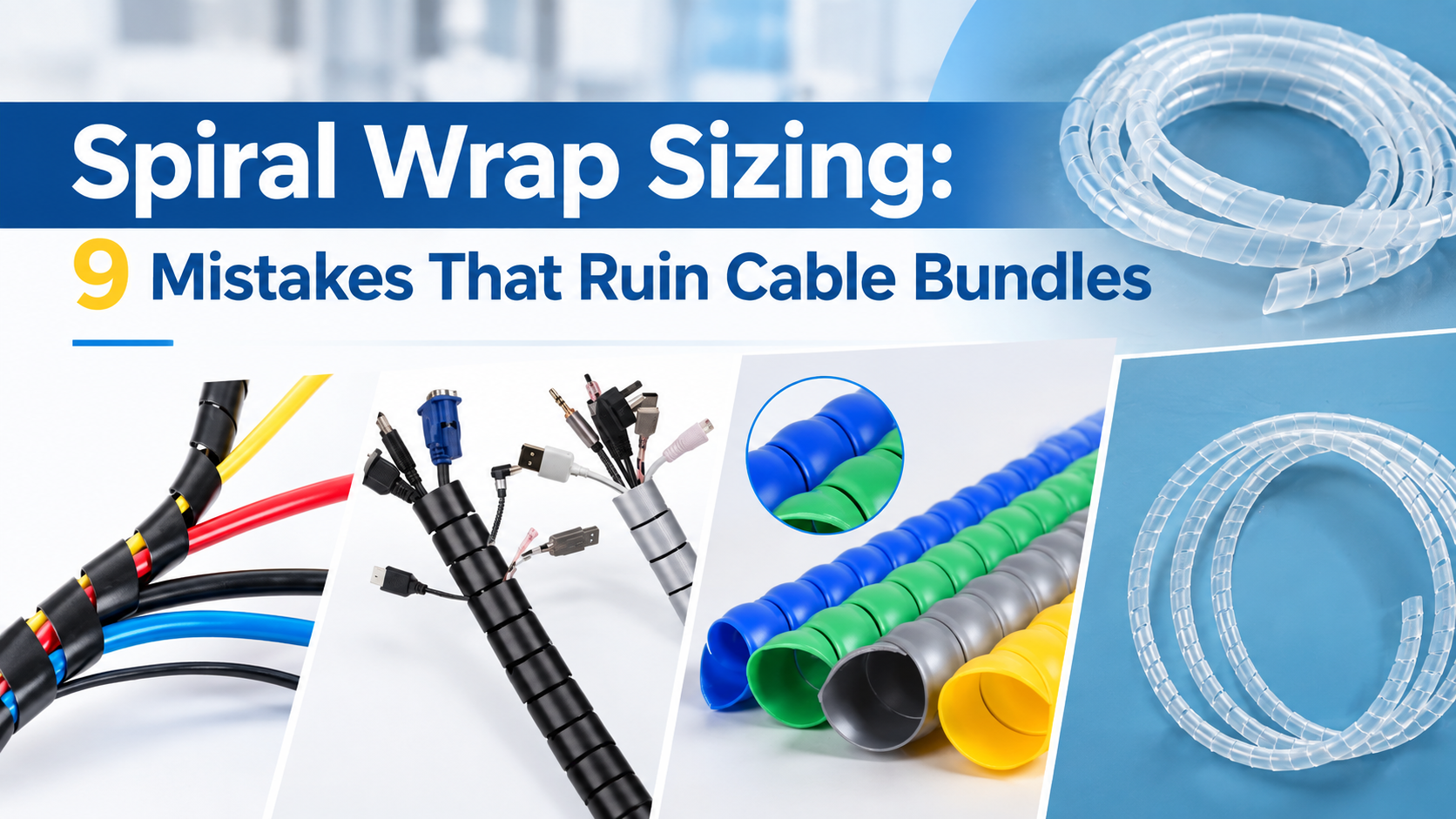
Spiral Wrap Sizing: 9 Mistakes That Ruin Cable Bundles
[pac_divi_table_of_contents included_headings="off|on|on|off|off|off" exclude_headings_by_class="on" active_link_highlight="on" level_markers_3="icons" title_container_padding="10px|15px|10px|15px|true|false" title_container_bg_color="#333333" body_area_height="650px"...
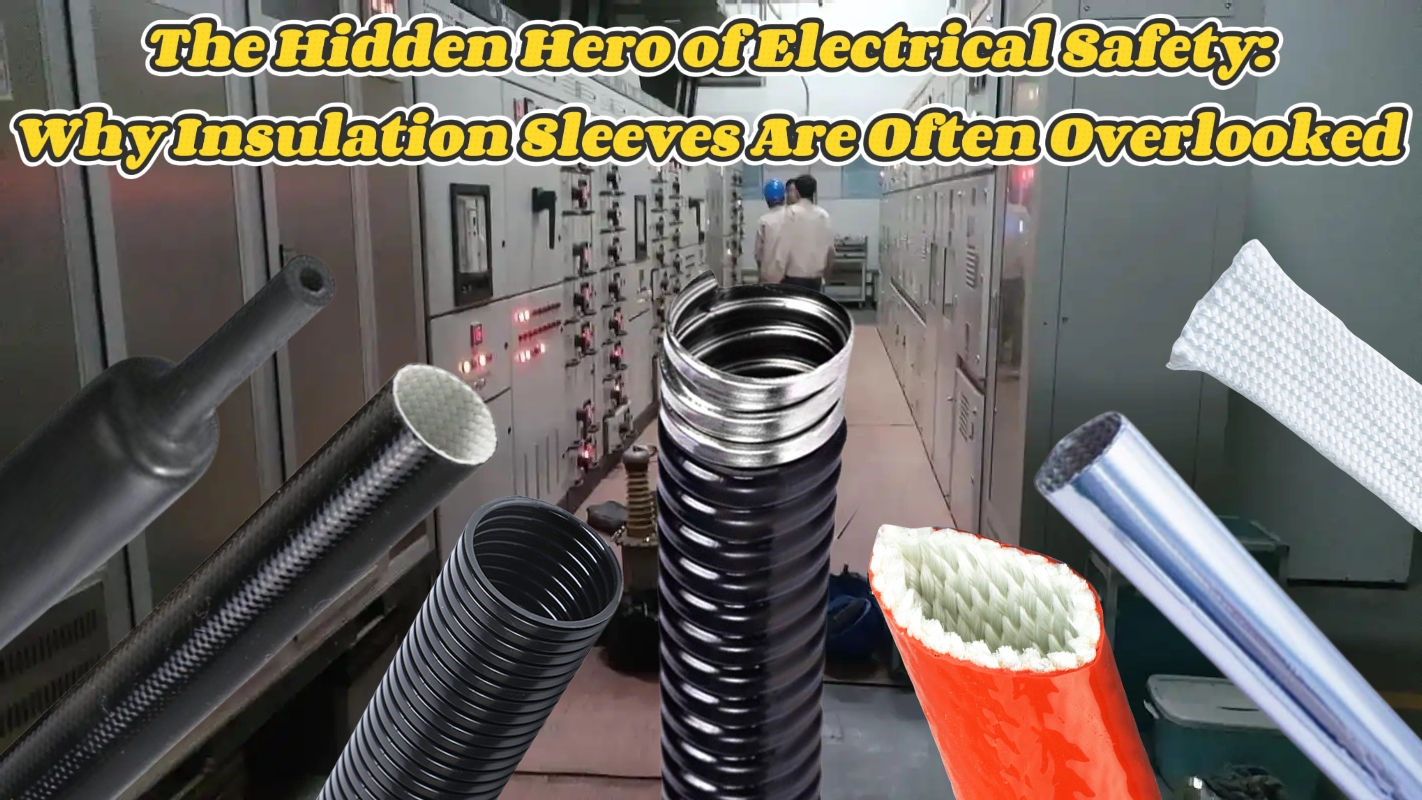
The Hidden Hero of Electrical Safety: Why Insulation Sleeves Are Often Overlooked
[pac_divi_table_of_contents included_headings="off|on|on|off|off|off" exclude_headings_by_class="on" active_link_highlight="on" level_markers_3="icons" title_container_padding="10px|15px|10px|15px|true|false" title_container_bg_color="#333333" body_area_height="650px"...

Best Cable Sleeves for Home Office Cable Management
[pac_divi_table_of_contents included_headings="off|on|on|off|off|off" exclude_headings_by_class="on" active_link_highlight="on" level_markers_3="icons" title_container_padding="10px|15px|10px|15px|true|false" title_container_bg_color="#333333" body_area_height="650px"...
0 Comments