
Why Smart Homes Need Advanced Cable Sleeving Solutions

Smart homes are powered by devices.
Devices are powered by cables.
And cables need protection.
That’s the part most people ignore.
Without proper cable sleeving, your smart home wiring becomes messy, unsafe, and short-lived.

Why Advanced Cable Sleeving Solutions Matter
Forget thinking of cable sleeves as “just organization.”
Think of them as long-term insurance for your smart home.
Here’s what the right cable sleeving gives you:
1、Protection from wear and tear
Cables last longer, with no exposed wires.
2、Fire resistance
High-temp cable sleeving resists heat, sparks, and short circuits.
3、Clean design
A professional look that blends into any home.
4、Easy upgrades
Add or remove cables without ripping everything apart.
5、Child and pet safety
Cable sleeves stop chewing, pulling, and accidental shocks.

Where Smart Homes Need Cable Sleeving
Not every corner of your house needs it. But certain areas are cable nightmares.
Here’s where cable sleeving makes the biggest difference:
Behind the entertainment center – TVs, consoles, speakers.
Home offices – routers, monitors, chargers, printers.
Smart lighting setups – hidden LED strips, ceiling lights.
Security systems – cameras, alarms, motion sensors.
Kitchens – ovens, microwaves, smart plugs near heat sources.
Garages – EV chargers, tool stations, smart door systems.
If you’re serious about keeping your system safe, start with these hot spots.
Quick Example: The TV Setup
Think about your living room TV area.
Without cable sleeving, you’ve got 8–10 different cables dangling behind it.
Dust collects. Kids pull. Pets chew.
With cable sleeving?
All cables are grouped, hidden, and shielded.
It looks clean and, more importantly, stays safe.
That’s a small change with a big payoff.
Choosing the Right Cable Sleeving for Smart Homes
Choosing the right sleeve matters. Here’s a quick guide:
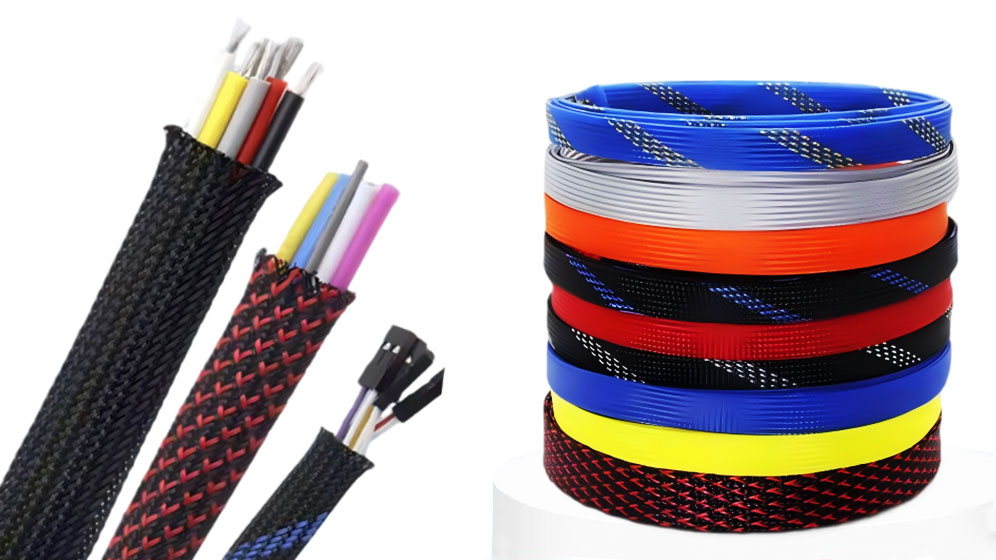
1、PET Braided Sleeving
Flexible and expandable, ideal for bundling and protecting multiple cables with a professional look, available in a variety of colors.
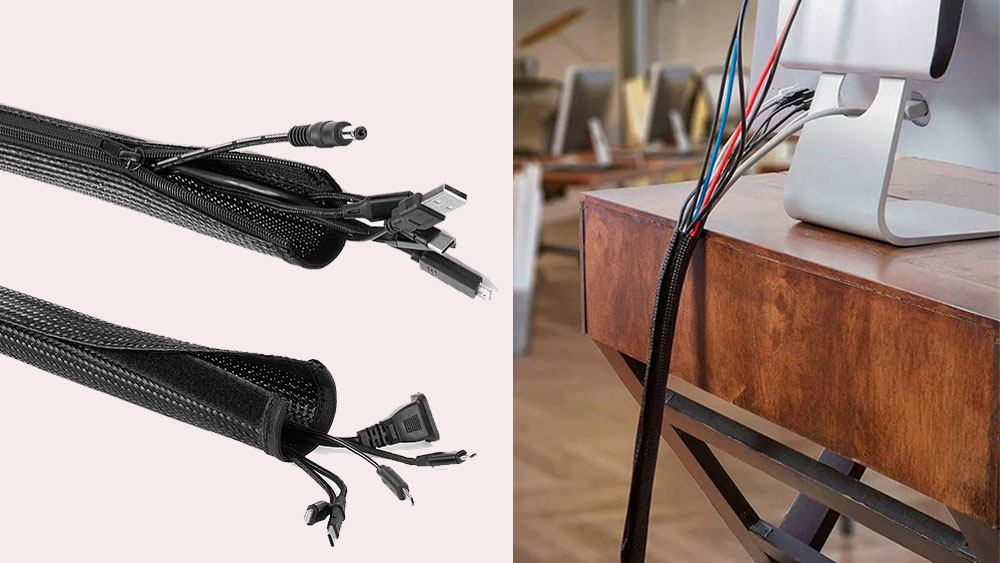
2、Hook and Loop / Zipper Braided Sleeving
Reusable and easy to install, perfect for desks and setups that require frequent cable changes.
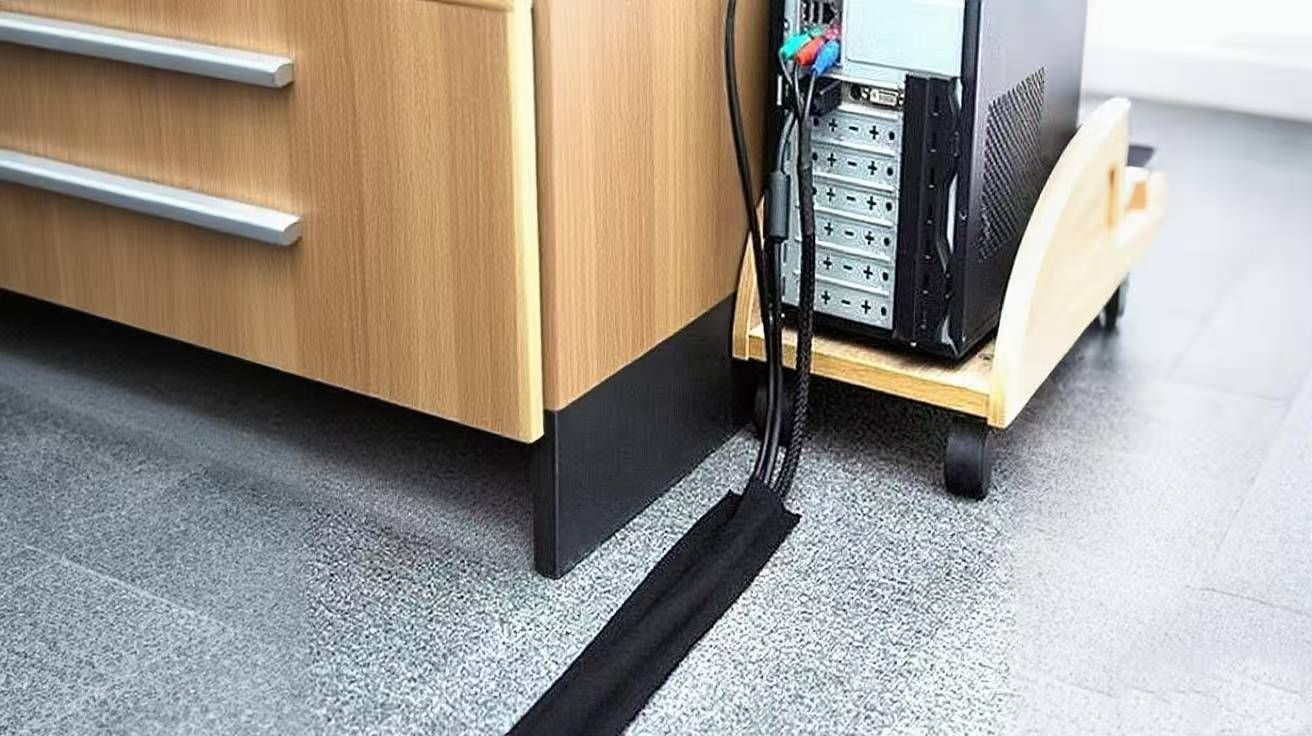
3、Hook and Loop Carpet Wrap
Secures floor cables safely, preventing tripping hazards and protecting wires from wear.
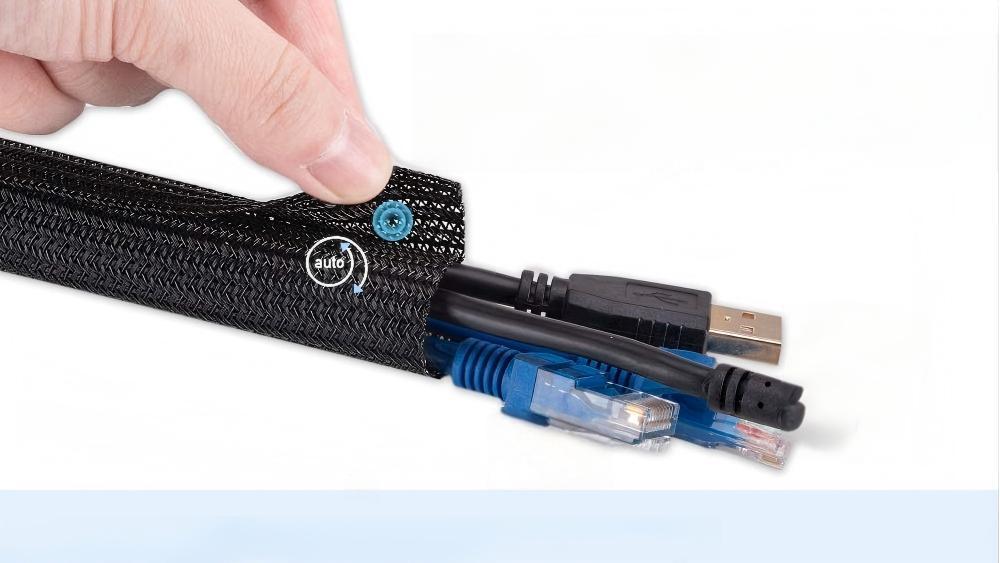
4、 Self-closing Cable Sleeve
Quick open-and-close design, combining easy access with strong protection for smart home cables.
5、Spiral Wrap Tubing
Flexible spiral design, easily wraps around cable bundles, and allows convenient exit at any point.
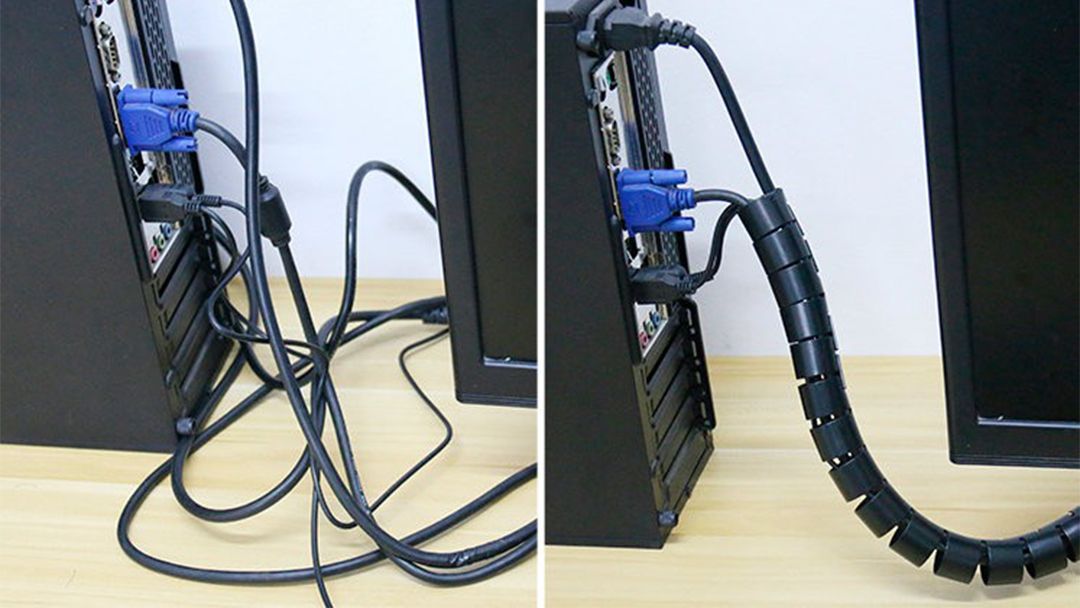
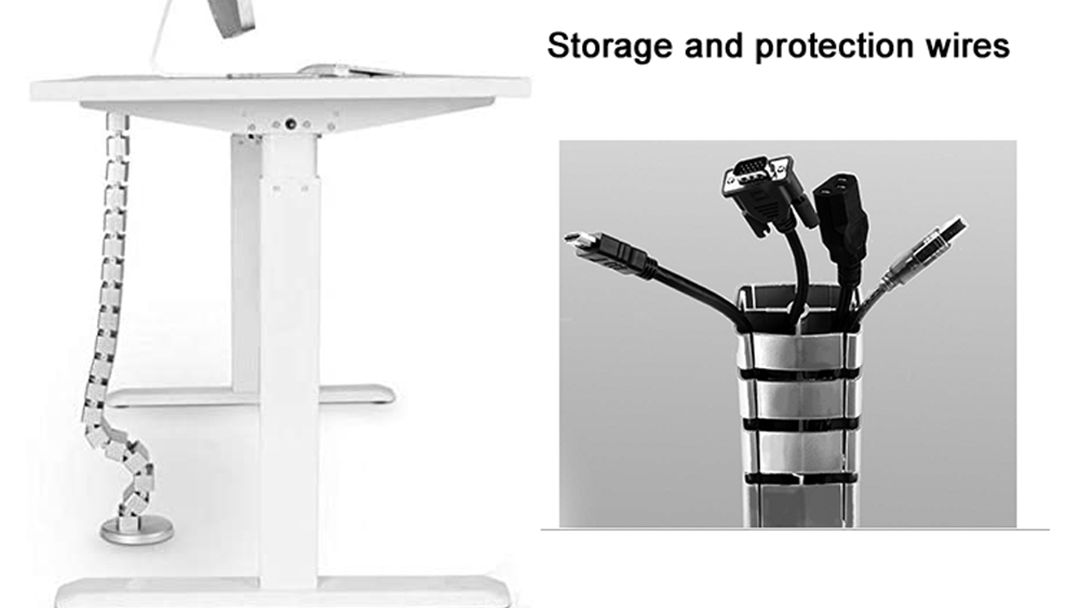
6、ABS Spine Cable Management Tube
This flexible, segmented cable management system can be freely bent to fit your cable routing. It can be easily installed on walls, skirting boards, and around corners, making it practical without compromising the overall look. Match the sleeve to the space and the type of protection you need.
FAQ About Cable Sleeving
Q: Do smart homes really need cable sleeves?
Yes, They extend cable life, keep things safe, and make your home look sharp.
Q: Can I install it myself?
Most types are DIY friendly. Hook and loop wraps and expandable cable sleeves are simple.
Q: Will this stop cables from overheating?
Yes, Good sleeving improves airflow and reduces bunching, so cables run cooler.
Q: Is it worth the cost?
Absolutely. You’re spending thousands on smart devices. Protecting them for a few pounds is a no-brainer.
Q: Is it only about looks?
No. The main value is safety and cable longevity.
Final Word
Your smart home depends on cables.
And cables depend on protection.
Advanced cable sleeving solutions turn messy, unsafe wiring into a system that’s safe, durable, and ready for the future.
Ready to upgrade your smart home protection? Explore our collection of advanced cable sleeving solutions designed specifically for the demands of modern connected homes.
Hey there, I’m Aoife!

Get A Quote


Related Post You May Also Like
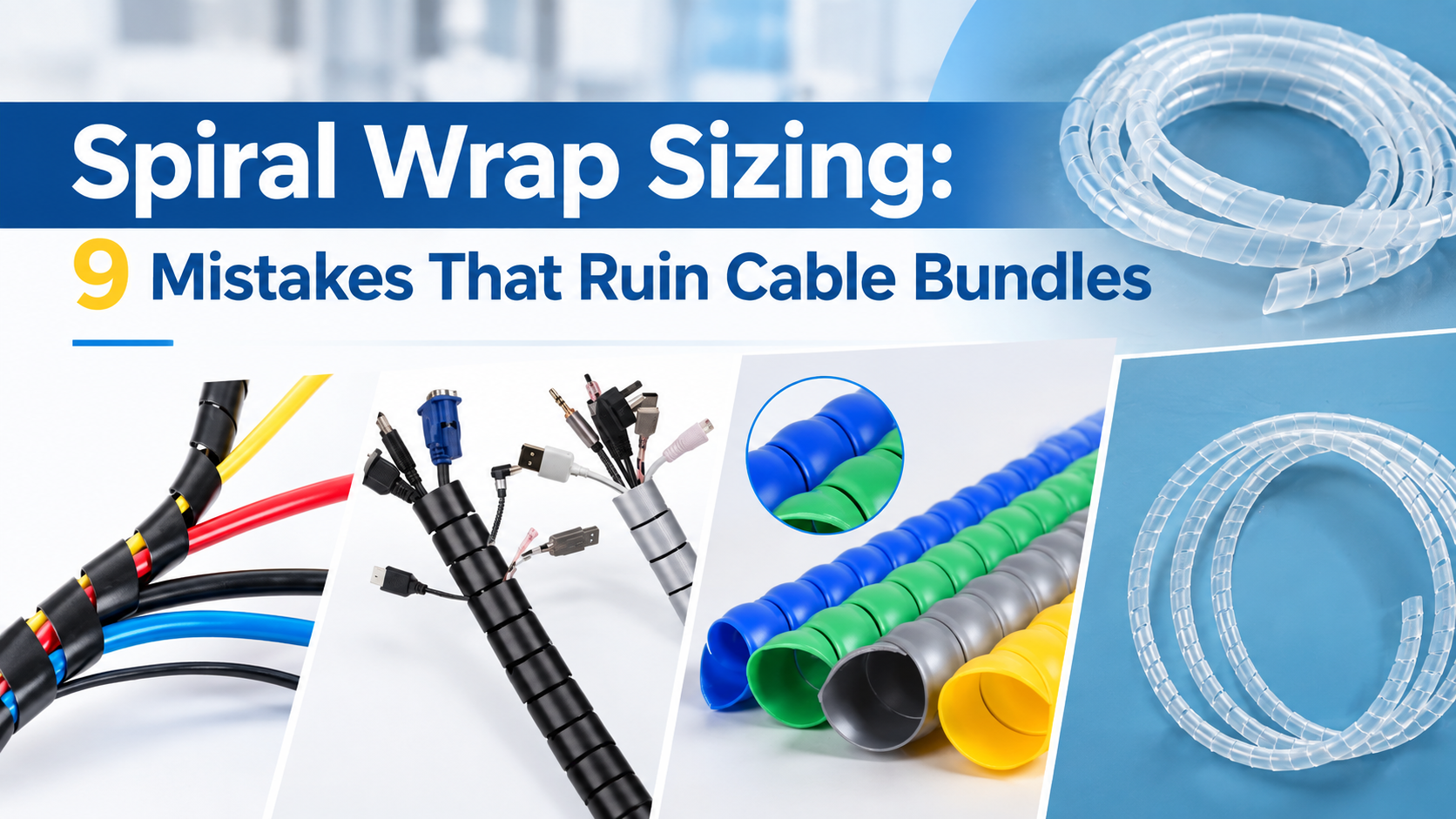
Spiral Wrap Sizing: 9 Mistakes That Ruin Cable Bundles
[pac_divi_table_of_contents included_headings="off|on|on|off|off|off" exclude_headings_by_class="on" active_link_highlight="on" level_markers_3="icons" title_container_padding="10px|15px|10px|15px|true|false" title_container_bg_color="#333333" body_area_height="650px"...
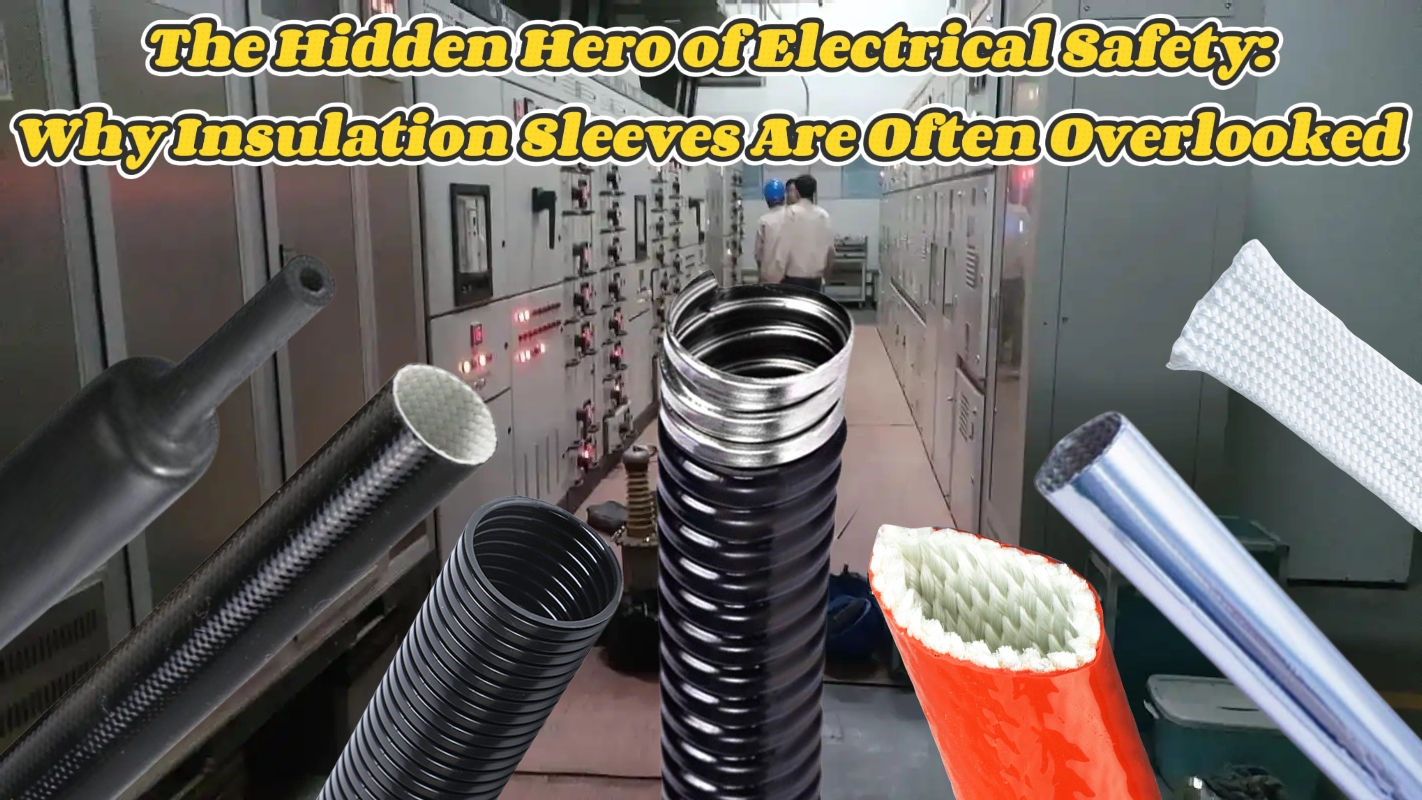
The Hidden Hero of Electrical Safety: Why Insulation Sleeves Are Often Overlooked
[pac_divi_table_of_contents included_headings="off|on|on|off|off|off" exclude_headings_by_class="on" active_link_highlight="on" level_markers_3="icons" title_container_padding="10px|15px|10px|15px|true|false" title_container_bg_color="#333333" body_area_height="650px"...

Best Cable Sleeves for Home Office Cable Management
[pac_divi_table_of_contents included_headings="off|on|on|off|off|off" exclude_headings_by_class="on" active_link_highlight="on" level_markers_3="icons" title_container_padding="10px|15px|10px|15px|true|false" title_container_bg_color="#333333" body_area_height="650px"...

What Does the Development of Hook and Loop Tape Illustrate?
[pac_divi_table_of_contents included_headings="off|on|on|off|off|off" exclude_headings_by_class="on" active_link_highlight="on" level_markers_3="icons" title_container_padding="10px|15px|10px|15px|true|false" title_container_bg_color="#333333" body_area_height="650px"...
0 Comments