
What Is The Nylon Hose Sleeve?
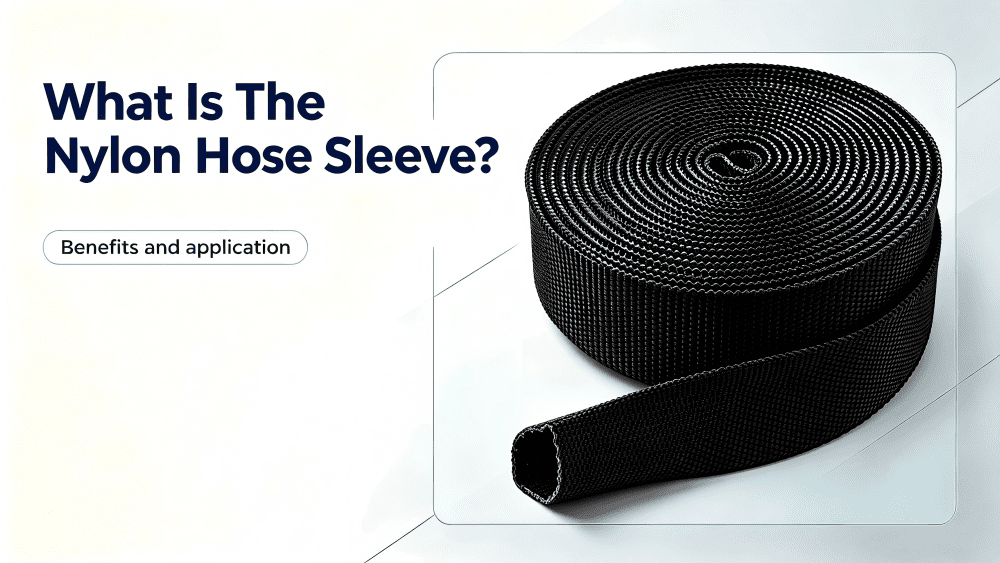
If you oversee farm tractors, construction vehicles, or factory hydraulic systems, worn hoses are such a constant hassle. Uncovered tubing scrapes against metal, takes nonstop UV damage, and tears fast on rugged worksites. The nylon hose protective sleeve eliminates all these regular equipment headaches for good.
What Makes Nylon Hose Sleeve Different From Plastic Tube?
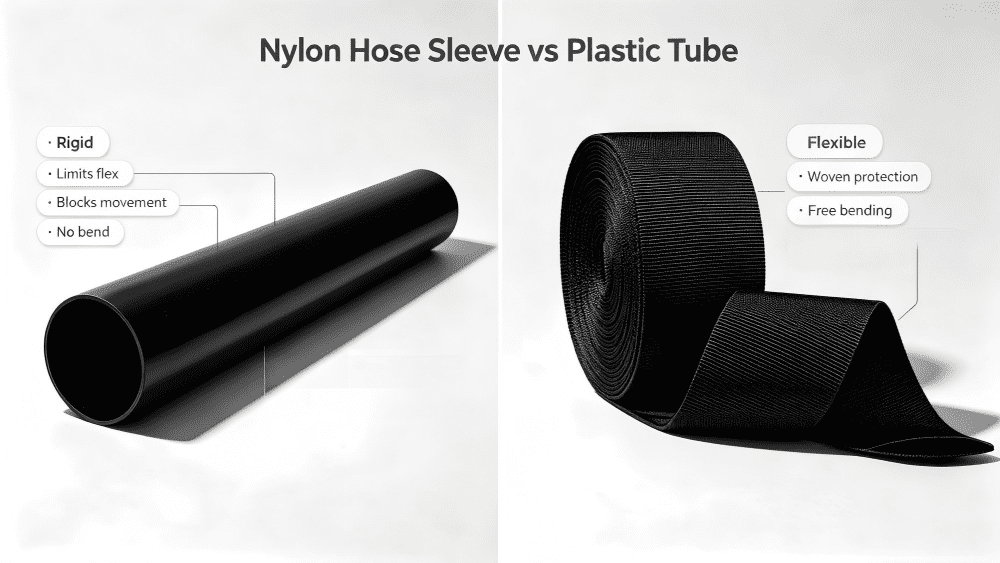
Unlike plastic tube which restrict hose flexibility and limits bending, this woven nylon sleeve simply slides over your existing hoses to form a robust protective outer layer. While hard plastic casings lock tubes in place and hinder movement, woven nylon hose sleeving remains pliable and flexible. It safeguards high-pressure hydraulic lines against oil stains, abrasion and harsh outdoor elements, all while allowing your hoses to bend and flex freely.
How Do Nylon Hose Sleeves Cut Hose Failures On Site?
Uncovered tubing wears out super quickly in dusty outdoor work environments. Nylon hydraulic hose sleeve solves nearly all typical wear problems.
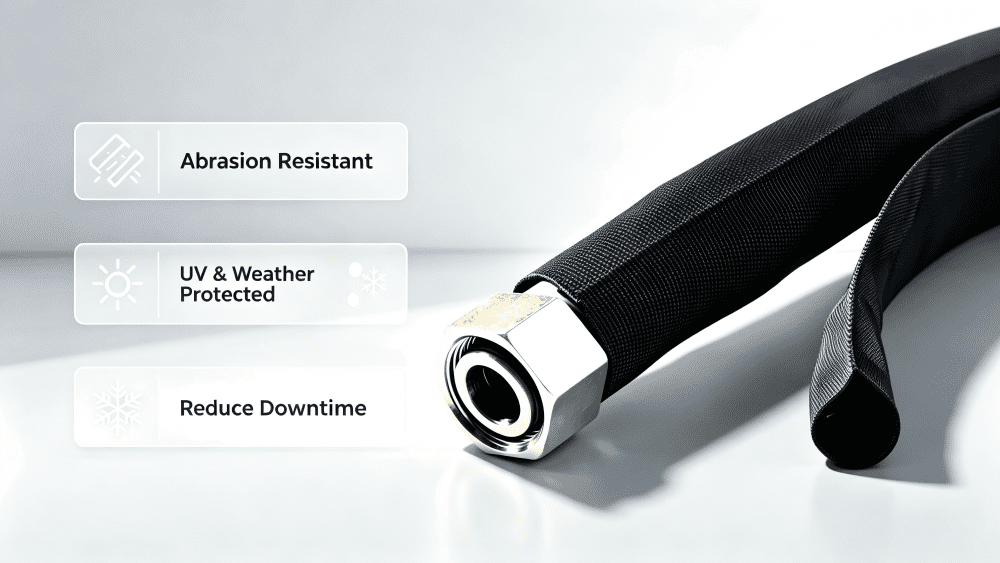
Air hose sleeves take the brunt of friction when tubes drag on concrete or steel frames; nylon hose sleeves can slow down outer tube damage a lot.
Nylon hose protective sleeve stops the surface of fuel line sleeves from scratches that lead to oil leaks, so your machines won’t die halfway through a work shift.
Nylon hose sleeves block UV light and hold up against rain, hot weather, and snow. Outdoor gear stays intact all year without cracking.
Nylon hose sleeves offer this same heavy-duty protection, and they fit any high-pressure hydraulic setup you might have.
Nylon hose protective sleeve stops tractors’ hoses from tears out in farm fields, so you don’t waste time on messy roadside emergency fixes.
Key Practical Perks of Nylon Hose Protective Sleeves
1. Tough resistance against scuffs, hits, and aging
The thick woven nylon material stands up to constant bumps and rubbing. Its service life is several times longer than flimsy, cheap protective wraps you find from other suppliers.
2. Extra Safety When High-pressure Hoses Burst Unexpectedly
Nylon hydraulic hose protection sleeves can also prevent damaged hoses from flailing around uncontrollably on site. This may greatly reduce worker injury risks and prevent fire hazards caused by leaking flammable hydraulic oil.
3 Lightweight, Flexible Build That Lasts For Years
This woven fabric will not turn rigid or crack when temperatures drop below freezing.It bends along every twist of your hydraulic lines with no extra friction, letting tubes move freely for years on end.
Top Industries That Use Nylon Hose Sleeve
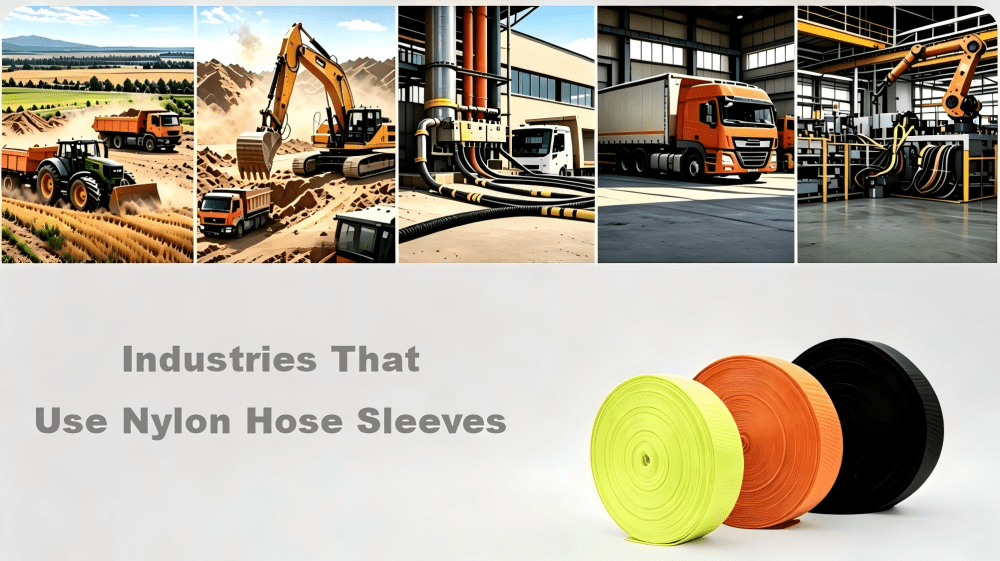
- Farm machinery: Tractors and harvesters to prevent expensive work interruptions in the field
- Construction & mining: Excavators, cranes, and heavy trucks constantly exposed to dust and sharp surfaces
- Permanent outdoor equipment: Fuel pipelines, pneumatic power units, and outdoor hydraulic units
- Commercial off-road vehicles: Large delivery trucks and mobile construction machinery
- Manufacturing facilities: Hydraulic stations and robotic gear to tidy up messy tangled hoses and cables
Real Benefits For Distributors And Equipment Owners
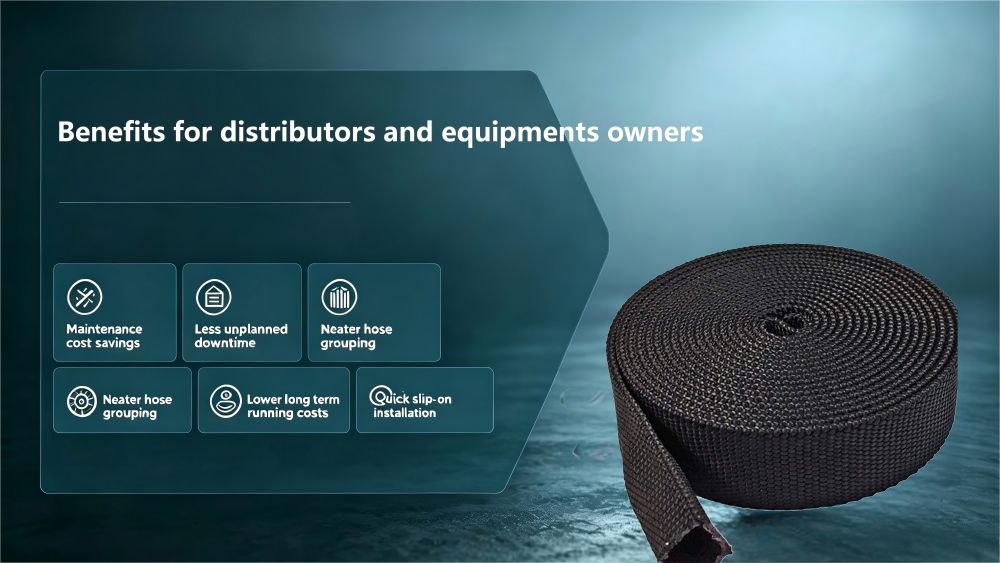
1.Cut routine maintenance expenses: Extend hose lifespan and avoid frequent expensive tube swaps
2.Fewer unplanned work stops: Prevent lost output caused by cracked or leaking hydraulic lines
3.Cleaner hose arrangement: Group tangled tubes together to speed up daily equipment checks
4.Cheaper long-term running costs: Low bulk wholesale prices mean you recoup your investment quickly
5.Effortless slip-on fitting: You don’t need to fully take apart hoses to add this protective layer
Conclusion
If you operate machinery outdoors or in gritty, high-wear job sites, nylon hydraulic hose sleeves are such a cost-effective, no-brainer upgrade.They’ll shield all your hydraulic lines, keep your crew out of harm’s way, and cut down those regular ongoing running costs.
FAQ
Q1: What Machines Fit Nylon Hose Protective Sleeves?
A:Tractors, construction/mining vehicles, outdoor pipelines, trucks , hydraulic equipment, etc.
Q2.What Is The Long-term Working Temperature Range Of This Product?
A: The regular continuous working temperature range is -60℃ — 160℃.
Q3:How To Secure Both Ends Of The Nylon Sleeve?
A: You can fasten both ends with stainless steel cable ties, screw hose clamps, or regular nylon zip ties .
Q4:What Makes Textile Hose Sleeves So Incredible?
A: Superb Abrasion Resistance, Strong Chemical Resistance, and Flexibility.
Q5:What Tools Are Needed For Daily Cutting And Breaking Of This Sleeve?
A: Hot knife and scissors can be used directly for cutting and breaking.
Hey there, I’m Vicky!

Get A Quote


Related Post You May Also Like
How Fire Sleeve Protects Cables
[pac_divi_table_of_contents included_headings="off|on|on|off|off|off" exclude_headings_by_class="on" active_link_highlight="on" level_markers_3="icons" title_container_padding="10px|15px|10px|15px|true|false" title_container_bg_color="#333333" body_area_height="650px"...
Spiral Wrap Sizing: 9 Mistakes That Ruin Cable Bundles
[pac_divi_table_of_contents included_headings="off|on|on|off|off|off" exclude_headings_by_class="on" active_link_highlight="on" level_markers_3="icons" title_container_padding="10px|15px|10px|15px|true|false" title_container_bg_color="#333333" body_area_height="650px"...
The Hidden Hero of Electrical Safety: Why Insulation Sleeves Are Often Overlooked
[pac_divi_table_of_contents included_headings="off|on|on|off|off|off" exclude_headings_by_class="on" active_link_highlight="on" level_markers_3="icons" title_container_padding="10px|15px|10px|15px|true|false" title_container_bg_color="#333333" body_area_height="650px"...

Best Cable Sleeves for Home Office Cable Management
[pac_divi_table_of_contents included_headings="off|on|on|off|off|off" exclude_headings_by_class="on" active_link_highlight="on" level_markers_3="icons" title_container_padding="10px|15px|10px|15px|true|false" title_container_bg_color="#333333" body_area_height="650px"...
0 Comments