
How to Tie Cables the Right Way

Tired of tangled wires everywhere? Learning how to tie cables properly can transform your space from chaotic to clean. Whether you’re organizing a home office, entertainment setup, or industrial workspace, neat cabling isn’t just about looks — it’s about safety, performance, and longevity. Charging cords curled around your desk, HDMI cables tangled behind the TV, headphone wires knotted by your bed — we’ve all seen it. These messy, spider–web–like cables don’t just ruin the aesthetic of your space. Beneath the chaos hides a number of hidden risks.
Why Poor Cable Management is More Dangerous Than You Think
Poor cable management can:
•Cause tripping hazards
•Expose children or pets to electric shock from chewed wires
•Lead to cable wear and short circuits from constant rubbing and tension
•Trap heat, interfering with device ventilation and performance
What looks like simple clutter can cause serious safety issues. Fortunately, there’s a better way. In this article, we’ll explore how to tie cables the right way — with practical techniques and professional solutions like braided sleeving, self-wrapping cable sleeving, and hook and loop cable ties — to bring order, safety, and simplicity to your space.

Why Cable Management Matters More Than You Think
Cable clutter might start small — one charging wire, a power strip, a few HDMI cords — but left unchecked, it quickly grows into a tangled, inefficient mess. Tying cables correctly offers more than just a clean appearance. Here’s why investing time in proper cable management is worth it:
•Keep Spaces Tidy: Organized cables make your home, office, or workspace look cleaner and more professional. •Prevent Hazards: Properly tied cables reduce the risk of tripping, and keep wires away from curious children or pets.
•Protect Your Cables: Bundling cables prevents bending, rubbing, and wear, extending their lifespan and reducing replacements.
•Faster Maintenance: When cables are neatly grouped and labeled, it’s easier to trace and repair connections.
•Better Airflow: In data centers and control cabinets, tidy cables improve ventilation and prevent overheating.

Step-by-Step: How to Tie and Organize Cables
Depending on different usage scenarios & requirements, different types of sleeving make more sense. Here are a few of the most common:
The core of tie cables is not “forcing them together”, but arranging and bundling all the messy wires. For different types of cables in various scenarios, different tools should be selected. Choosing the right tool can greatly enhance efficiency. This will enable the cables to transform from a “mess” to a “single line”, which is not only aesthetically pleasing and keeps the wires in good condition for a longer time, but also ensures safety.
1. Start with a Plan
Before you tie cables, take time to plan the layout:
•Know where each cable goes and what it connects to.
•Avoid mixing power and signal lines to reduce interference.
•Leave extra slack at both ends for flexibility and future upgrades.
2. Group Cables by Function
Tie cables based on their type or destination:
•All power cables together
•All audio or video cables together
•Network/data cables in separate groups
This improves performance (less interference) and makes maintenance easier.
Choose the Right Cable Tying Method for Your Setup
There’s no single best way to tie cables — the right method depends on your environment and how often you need to adjust the wires.
For permanent setups like automotive or factory use, zip ties offer strong, secure bundling. In offices or studios, hook and loop cable ties are ideal thanks to their reusability and flexibility.
Need heavy-duty protection? PET braided sleeving is perfect for dense wiring, offering durability and heat resistance. For setups requiring frequent changes, open-type cable sleeving lets you manage cables without unplugging.
Combining these tools gives you a cleaner, safer, and more efficient cable management solution.

Our Solutions: Professional-Grade Cable Sleeving by Xiamen QX
At Xiamen QX, we’ve spent over 20 years designing and manufacturing cable protection solutions for various industries — from automotive and railway to smart office and energy. If you still can’t precisely select the tool to tie cables, please contact us. We will provide you with a professional solution based on your requirements.
Final Thoughts: Take Control of the Cable Clutter
Tangled cords and unmanaged wiring are more than just an eyesore — they’re a hazard waiting to happen. With the right techniques and tools, you can tie cables the right way and create a workspace or living area that is clean, efficient, and most importantly, safe.
Ready to take control of your cables? Explore our range of EKO cable sleeving and cable tie solutions to get started today.

Hey there, I’m Tracy!

Get A Quote


Related Post You May Also Like
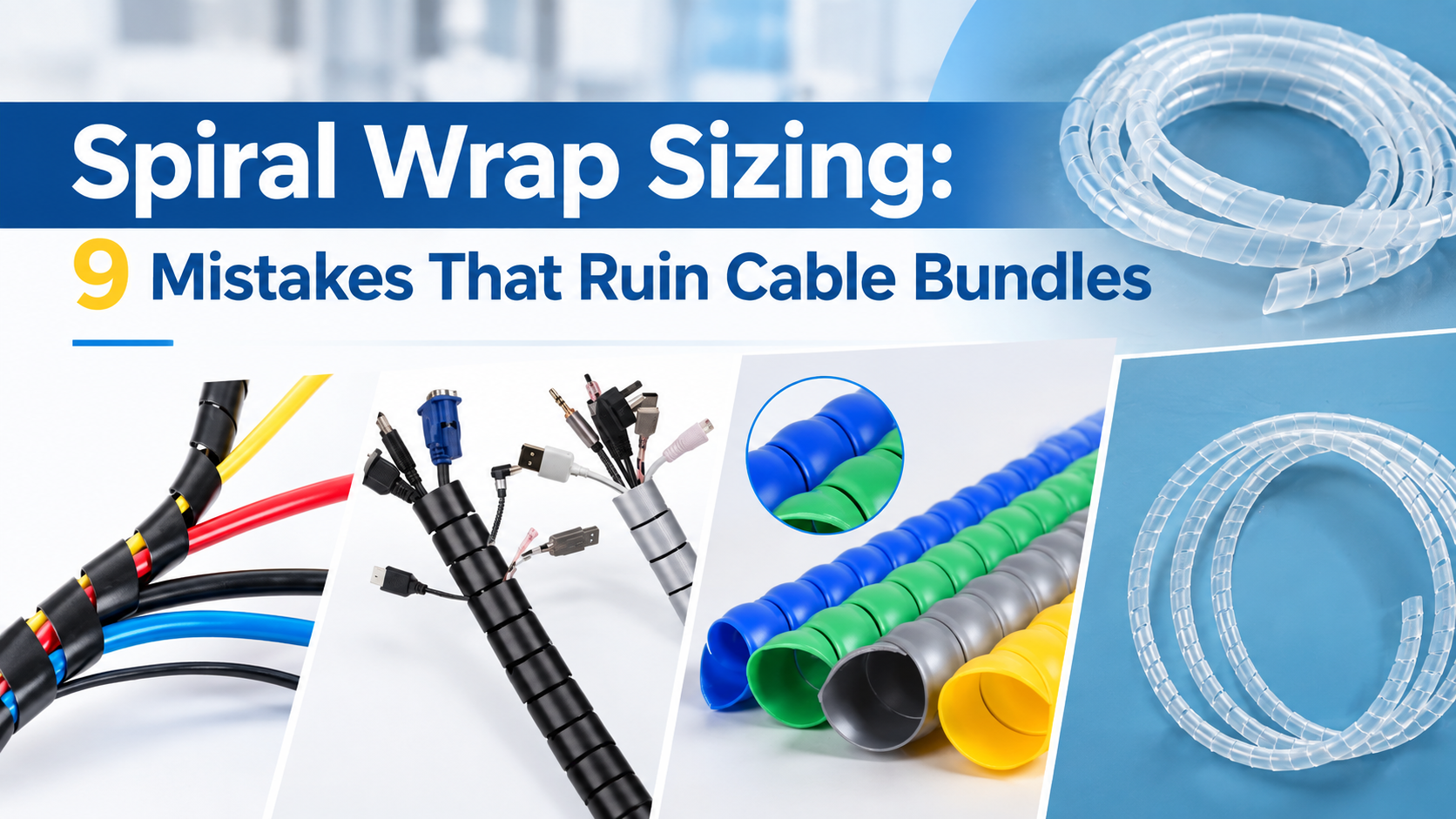
Spiral Wrap Sizing: 9 Mistakes That Ruin Cable Bundles
[pac_divi_table_of_contents included_headings="off|on|on|off|off|off" exclude_headings_by_class="on" active_link_highlight="on" level_markers_3="icons" title_container_padding="10px|15px|10px|15px|true|false" title_container_bg_color="#333333" body_area_height="650px"...
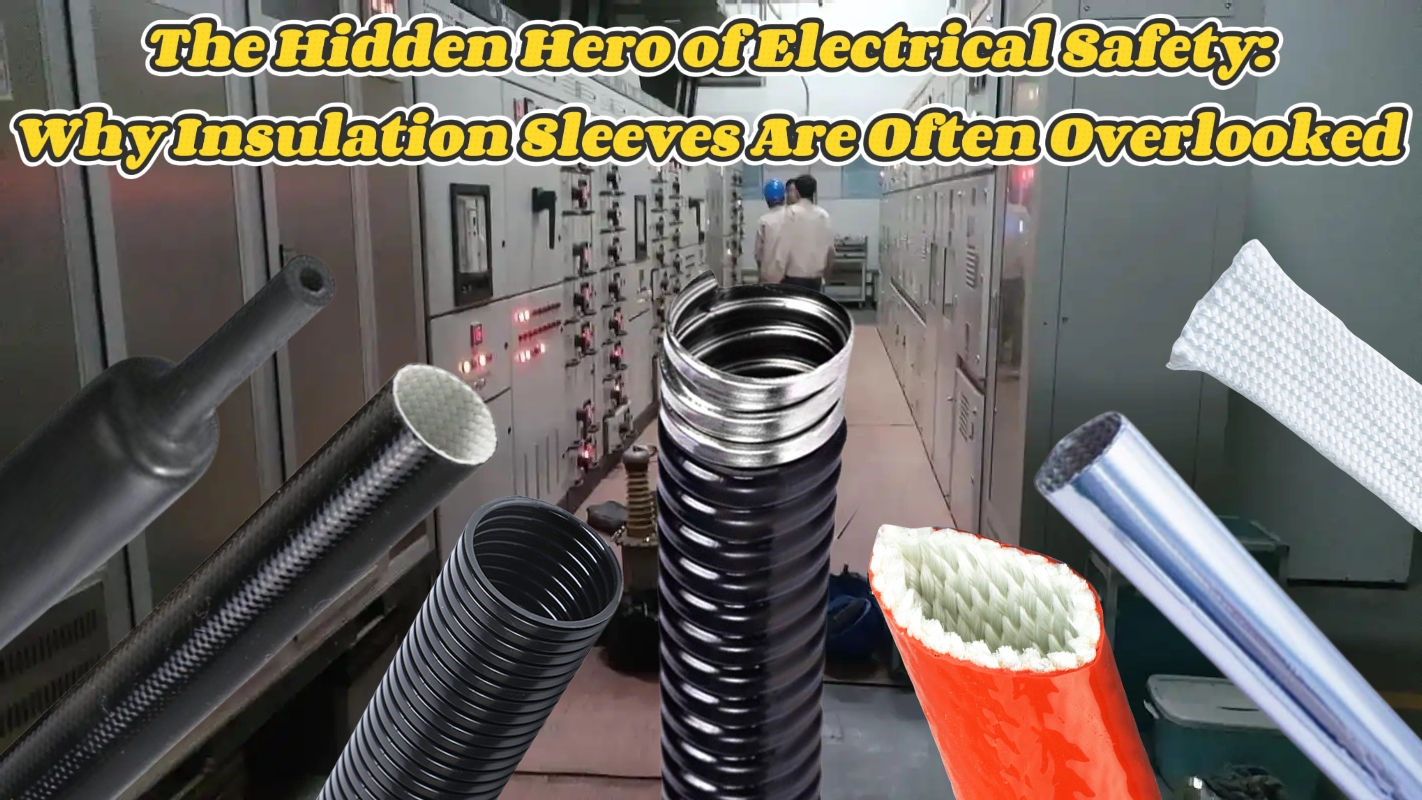
The Hidden Hero of Electrical Safety: Why Insulation Sleeves Are Often Overlooked
[pac_divi_table_of_contents included_headings="off|on|on|off|off|off" exclude_headings_by_class="on" active_link_highlight="on" level_markers_3="icons" title_container_padding="10px|15px|10px|15px|true|false" title_container_bg_color="#333333" body_area_height="650px"...
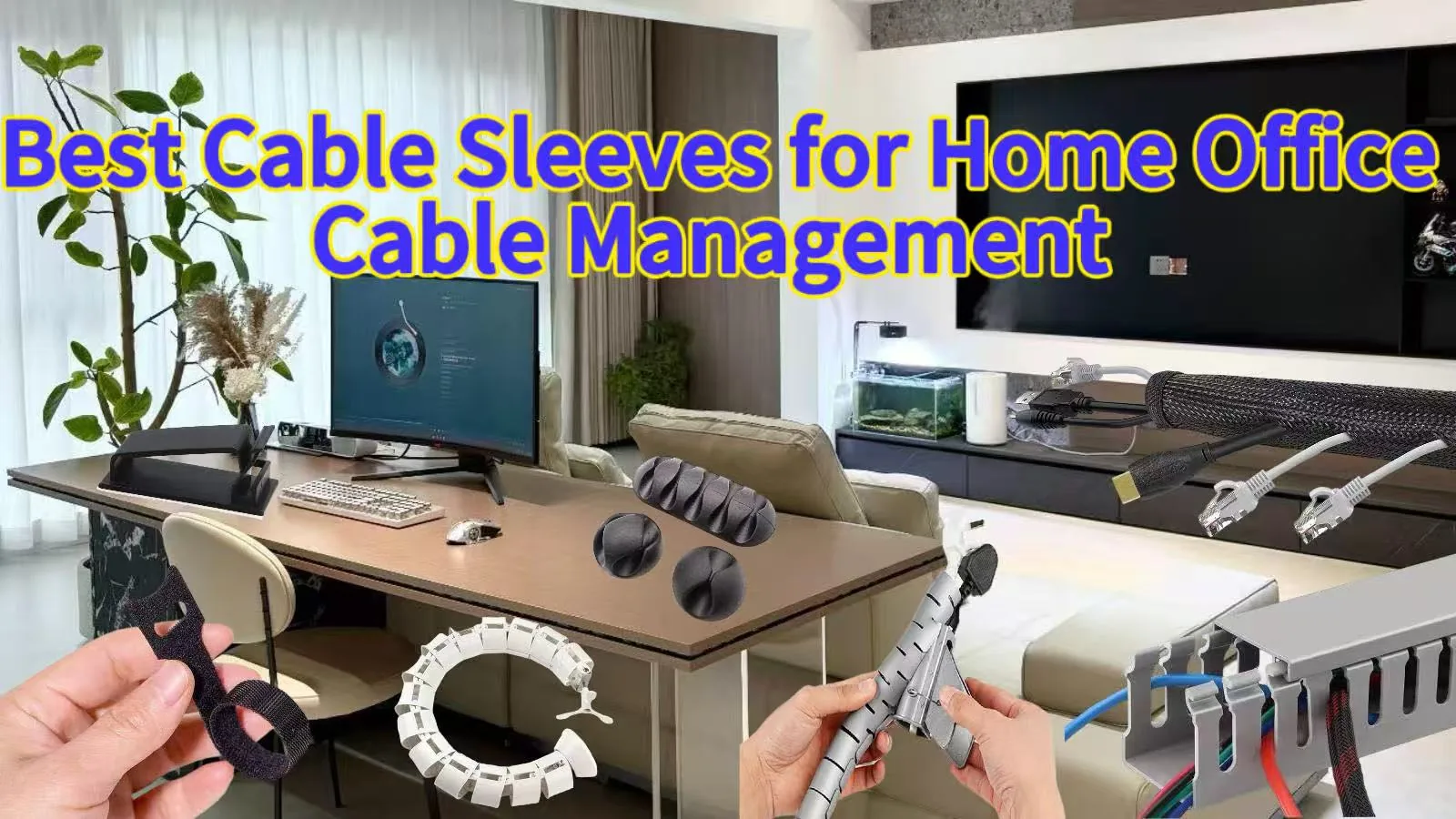
Best Cable Sleeves for Home Office Cable Management
[pac_divi_table_of_contents included_headings="off|on|on|off|off|off" exclude_headings_by_class="on" active_link_highlight="on" level_markers_3="icons" title_container_padding="10px|15px|10px|15px|true|false" title_container_bg_color="#333333" body_area_height="650px"...
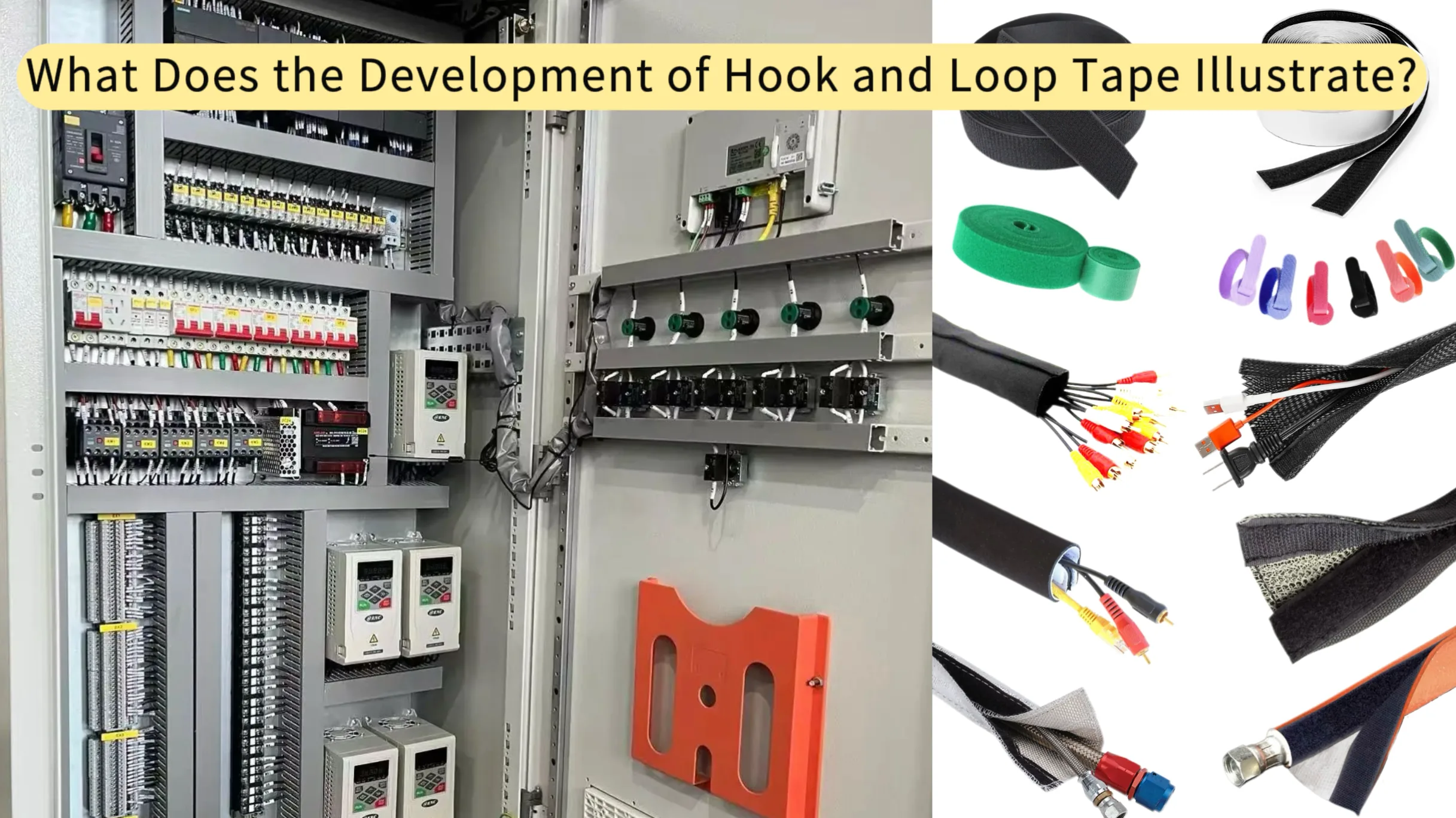
What Does the Development of Hook and Loop Tape Illustrate?
[pac_divi_table_of_contents included_headings="off|on|on|off|off|off" exclude_headings_by_class="on" active_link_highlight="on" level_markers_3="icons" title_container_padding="10px|15px|10px|15px|true|false" title_container_bg_color="#333333" body_area_height="650px"...
0 Comments