
Braided Cable Sleeves Guide

Braided cable sleeves are an indispensable wire and cable management protection tool that combines harness protection and aesthetics with durability, flexibility and heat dissipation, making them ideal for a wide range of wire industry applications.
Our guide covers the types of braided cable sleeves you need to know.
What Are Braided Cable Sleeves?
Braided cable sleeves is a protective sleeve with three or more monofilament woven in different widths, different colors. Made of PET and nylon, the woven protective sleeve is wear-resistant and corrosion-resistant to protect the cable from wear, tear and environmental damage.
They are commonly used in industries such as wire and cable, automotive wiring harnesses, electronics and industrial fields, and have a variety of advantages:
- Improved Organization: Keeps cables neat and reduces clutter.
- Enhanced Protection: Guards against abrasions, heat, and UV exposure.
- Aesthetic Appeal: Available in a variety of colors and textures for a custom look.

Understanding Braided Cable Sleeves : Types and Applications
There are many types of braided cable sleeves, each type has different uses and functions and characteristics. The following are the most common types of braided cable sleeves and their characteristics:
1.PET expandable braided sleeving
PET expandable braided sleeving are a versatile wire harness protection solution made from durable polyester fibers. It is lightweight, flame-retardant and halogen-free, suitable for electronics, automotive and general wiring.
Features:
- Material: PET fibers are halogen-free and provide robust abrasion resistance.
- Temperature Resistance: Operates in temperatures from -50°C to 150°C.
- Flexibility and Expandability: Expands up to 1.5 times its size, accommodating various cable diameters.
- Applications: Perfect for wire bundling, insulation, and cable protection in automotive, industrial, and home applications.
Our pet expandable braided sleeving comes in various sizes, colors, and grades, with flame-retardant and weather-resistant options available.

2. Split Braided Sleeving
Split braided sleeving is designed with a self-wrapping, open structure, allowing easy installation over cables without disconnecting them. It’s especially useful in environments where **heat dissipation** and frequent access to cable bundles are required.
Features:
- Abrasion Resistance: Offers long-lasting protection against wear.
- Easy Installation: Wraps around cables without needing disconnections.
- Heat Resistance: Withstands temperature variations and UV exposure.
- Applications: Used in automotive, electronics, and industrial settings for managing existing cable systems.
Our split braided sleeving is a new type of wire protection sleeving, featuring an open structure that facilitates easy reassembly, maintenance, and inspection of wire harnesses. It is particularly well-suited for use in automation equipment and computer wiring applications.

3. Zipper Braided Sleeving
The zipper braided sleeving is suitable for Settings where frequent cable access is required, and its zipper seal design ensures quick installation and removal while providing rugged protection.
Features:
- Convenience: The zipper allows quick access to cables, simplifying maintenance.
- Secure Fit: Prevents the sleeve from shifting along cables
- Durability: Often made from PET and nylon, providing excellent abrasion and environmental resistance.
Zipper braided sleeving is a popular cable management solution that ensures both security and ease of use.

4.Hook and loop Braided sleeving
Hook and loop braided sleeving is a flexible and user-friendly solution for cable management. It features a hook-and-loop fastening system that makes it easy to wrap, secure, and adjust cables without requiring tools.
Features :
- Adjustability: The hook-and-loop system allows for easy adjustment around cables, enabling users to add or remove cables as needed.
- Reusability: Unlike adhesive options, hook and loop sleeving can be reused multiple times without losing its effectiveness, providing long-term cost savings.
- Protective Properties: Made from durable materials like nylon or PET, this sleeving resists abrasion, offering excellent protection against wear and tear.
- Wide Applications: Ideal for use in computer setups, home theaters, automotive projects, and any scenario requiring cable management.

Why Choose Hook and Loop Braided Sleeving?
This type of sleeving is especially popular in environments where flexibility, easy access, and ongoing maintenance are important. For specific product recommendations, feel free to contact us.
Choosing the Right Braided Cable Sleeve
When selecting a braided cable sleeve, consider the following:
- Diameter and Length: Ensure it fits snugly around your cables.
- Material and Durability: Choose a sleeve that withstands your environment, especially in automotive or high-temperature applications.
- Customization Options: Color, logo printing, and other branding choices can enhance your product’s appeal.
- Scope of application: According to the scope of application to choose, such as automotive general split Braided Sleeving wrap automotive wiring harness
Where to Buy Braided Cable Sleeves
For high-quality braided cable sleeves, visit our official website or find us on popular B2B platforms like Alibaba.com and Made-in-China.com for bulk purchases.
Official Website: https://qxcablesleeve.com/
Conclusion
Selecting the right braided cable sleeve depends on your specific needs, such as environmental factors and cable dimensions. Whether you’re managing industrial machinery, automotive wiring, or home office setups, braided sleeving is an effective solution for organizing and protecting your cables.
Have Questions About Braided Cable Sleeves?
We hope this guide helps you choose the best braided cable sleeve for your needs. For expert advice and assistance, feel free to contact us at EKO. We provide a variety of braided cable sleeves with customization options to match your specifications.
Hey there, I’m Cheney!

If you have any questions about cable management sleeve protection, feel free to contact me.
Get A Quote


Related Post You May Also Like
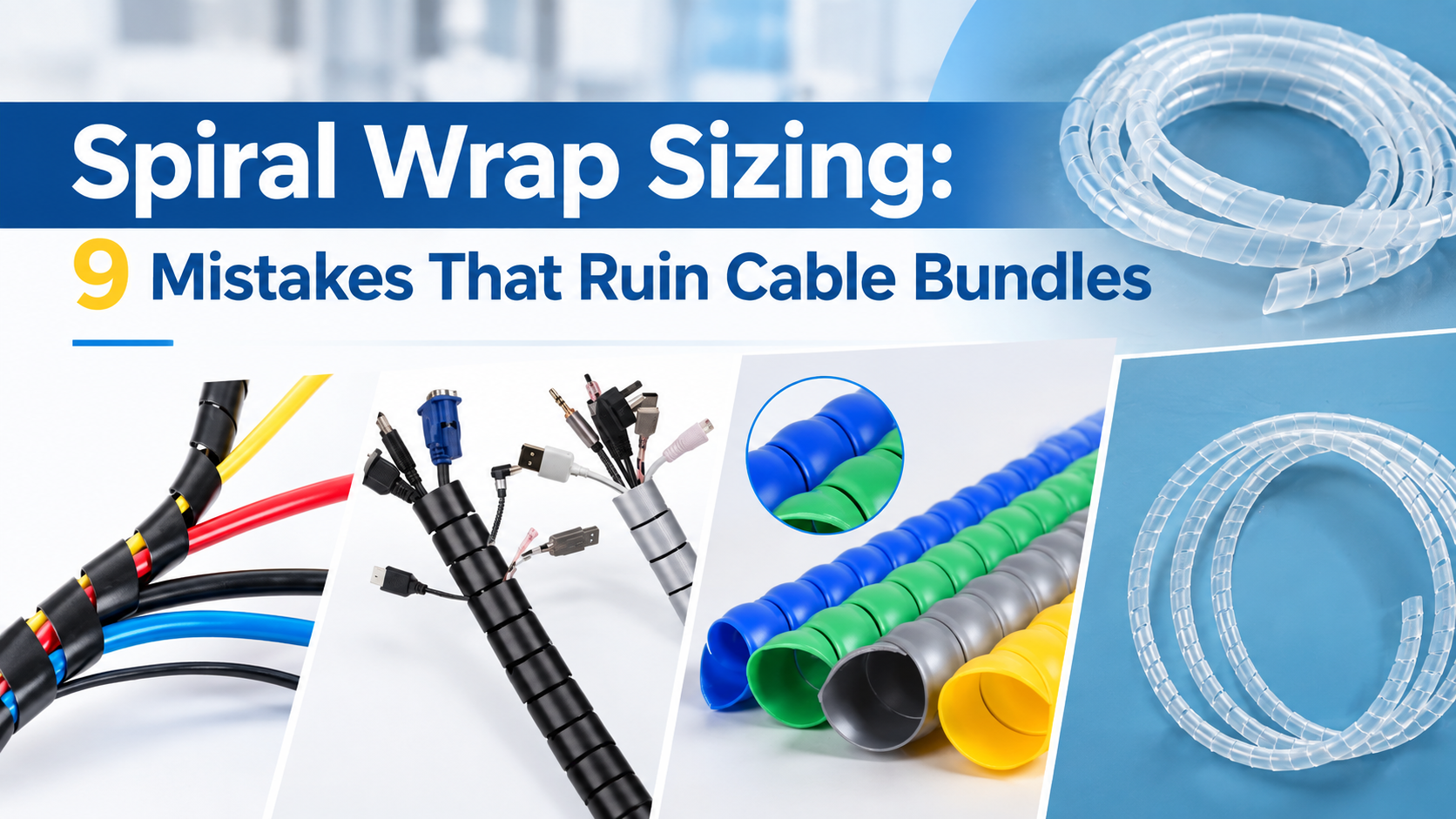
Spiral Wrap Sizing: 9 Mistakes That Ruin Cable Bundles
[pac_divi_table_of_contents included_headings="off|on|on|off|off|off" exclude_headings_by_class="on" active_link_highlight="on" level_markers_3="icons" title_container_padding="10px|15px|10px|15px|true|false" title_container_bg_color="#333333" body_area_height="650px"...
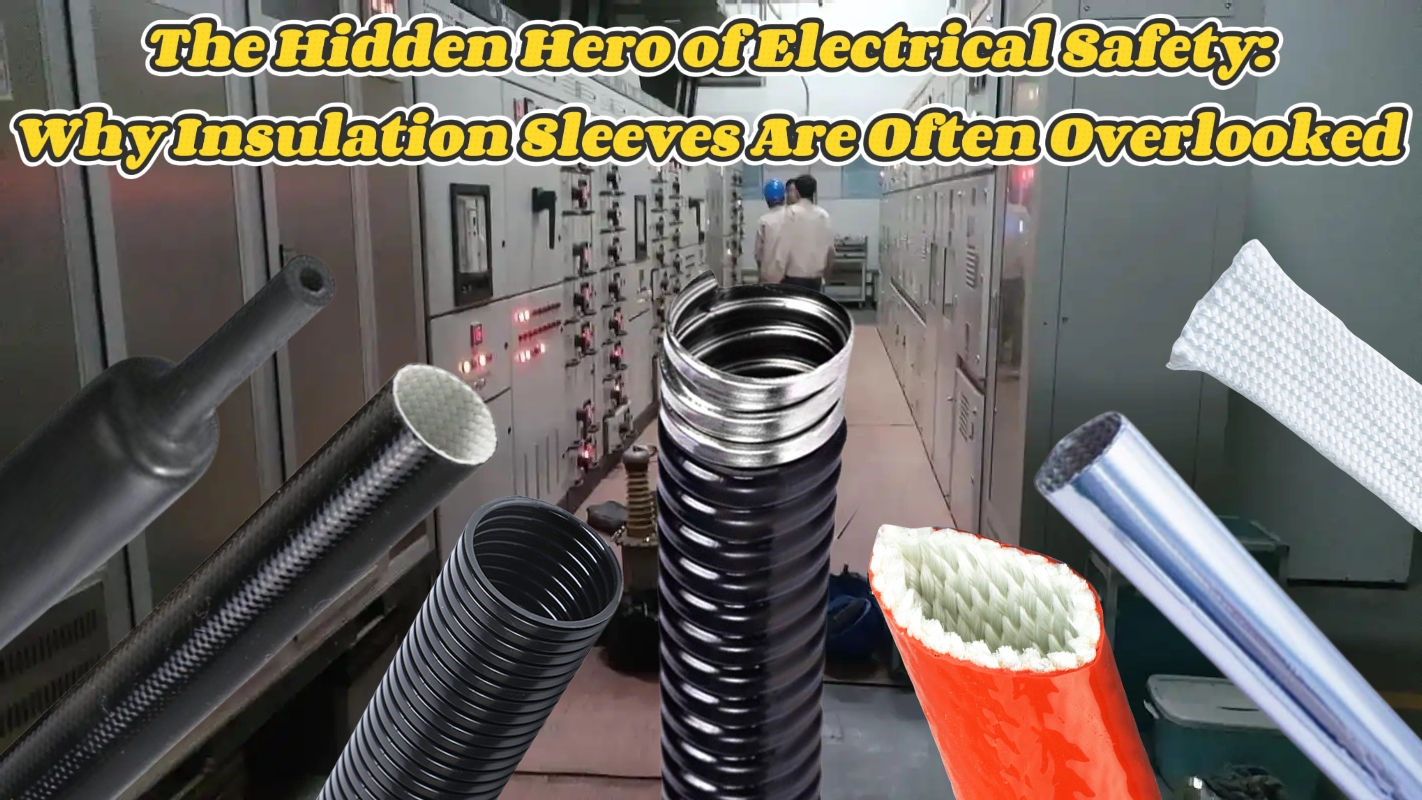
The Hidden Hero of Electrical Safety: Why Insulation Sleeves Are Often Overlooked
[pac_divi_table_of_contents included_headings="off|on|on|off|off|off" exclude_headings_by_class="on" active_link_highlight="on" level_markers_3="icons" title_container_padding="10px|15px|10px|15px|true|false" title_container_bg_color="#333333" body_area_height="650px"...
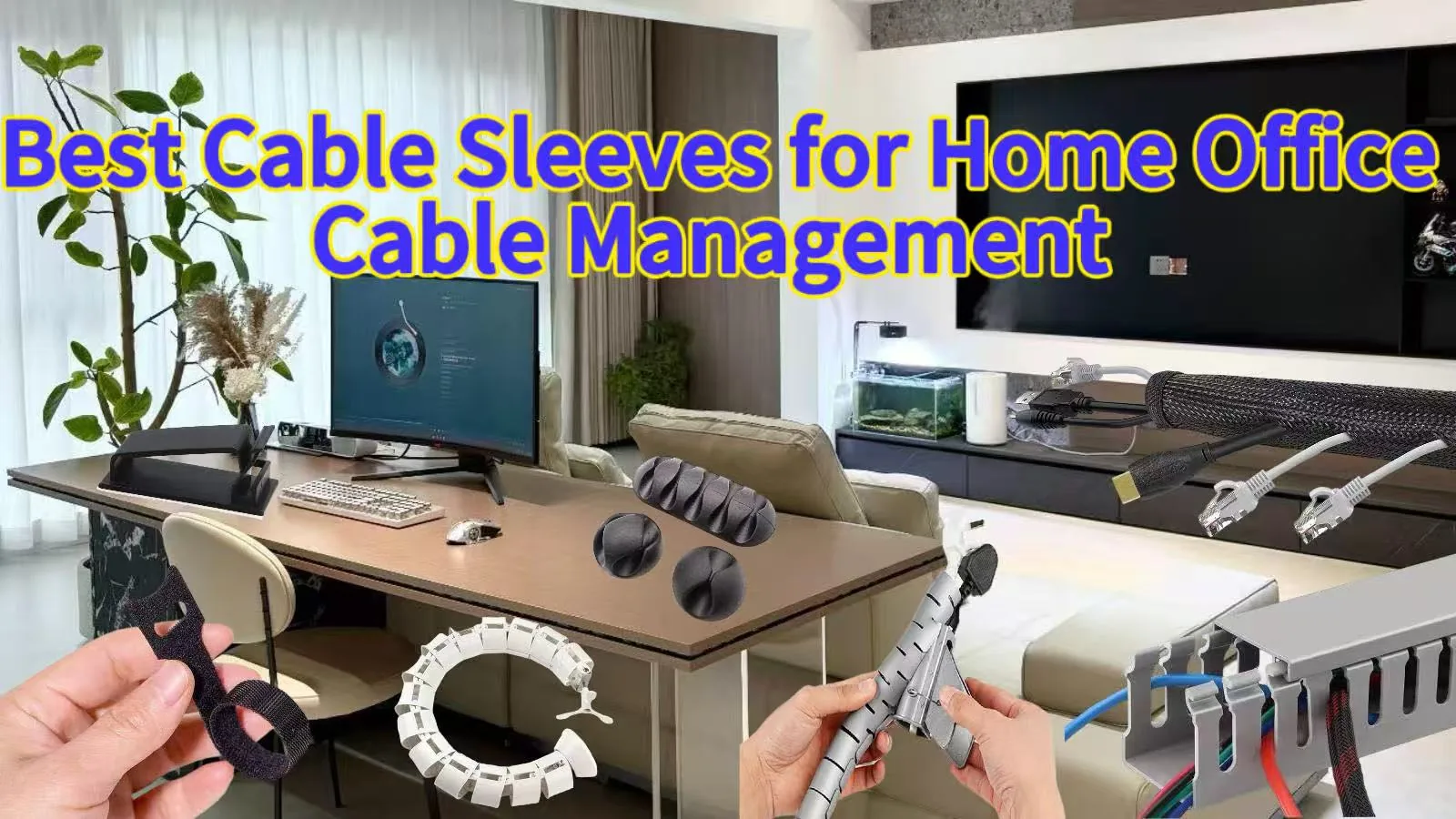
Best Cable Sleeves for Home Office Cable Management
[pac_divi_table_of_contents included_headings="off|on|on|off|off|off" exclude_headings_by_class="on" active_link_highlight="on" level_markers_3="icons" title_container_padding="10px|15px|10px|15px|true|false" title_container_bg_color="#333333" body_area_height="650px"...
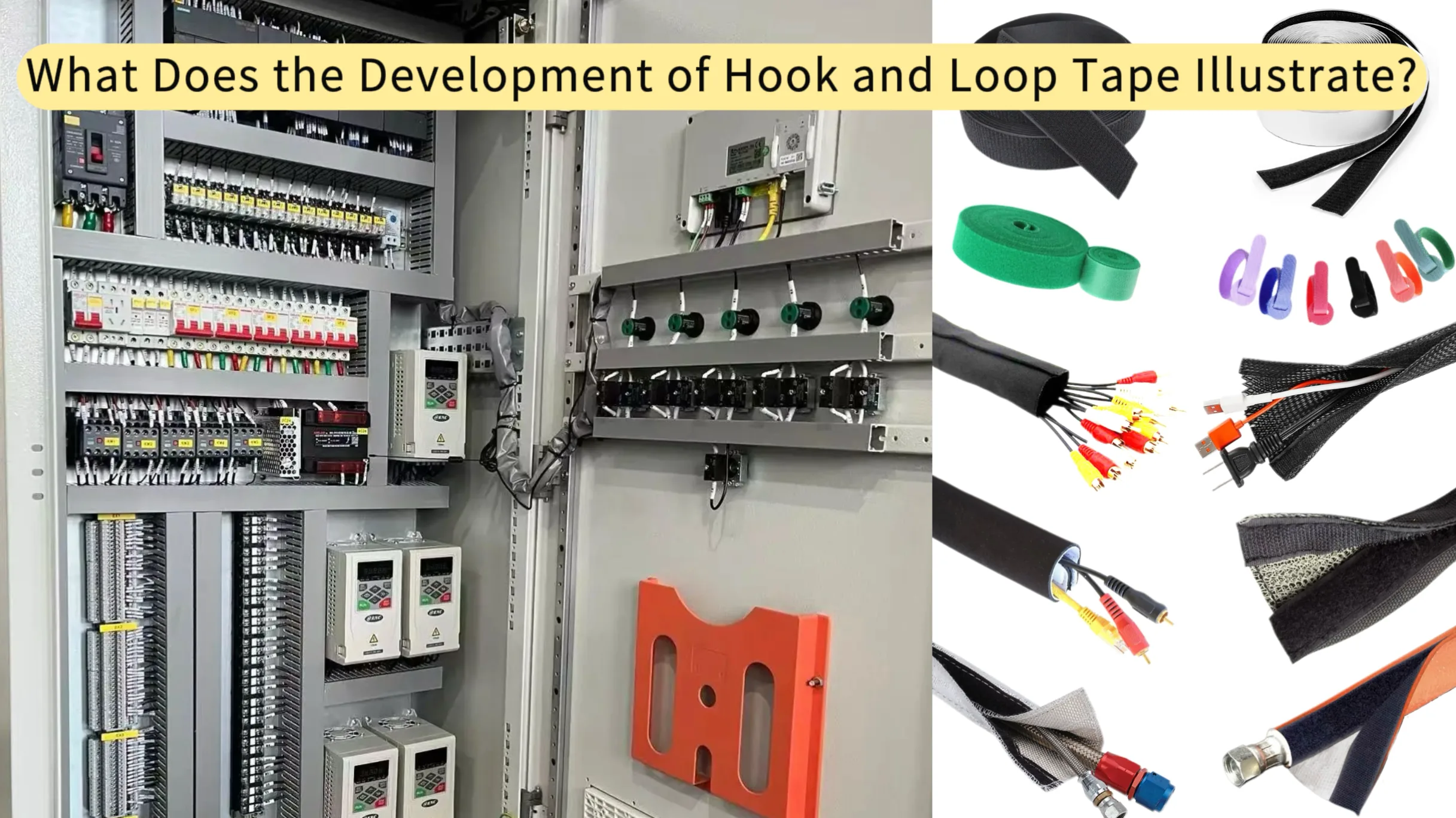
What Does the Development of Hook and Loop Tape Illustrate?
[pac_divi_table_of_contents included_headings="off|on|on|off|off|off" exclude_headings_by_class="on" active_link_highlight="on" level_markers_3="icons" title_container_padding="10px|15px|10px|15px|true|false" title_container_bg_color="#333333" body_area_height="650px"...
0 Comments