
All You Need to Know About Braided Sleeving
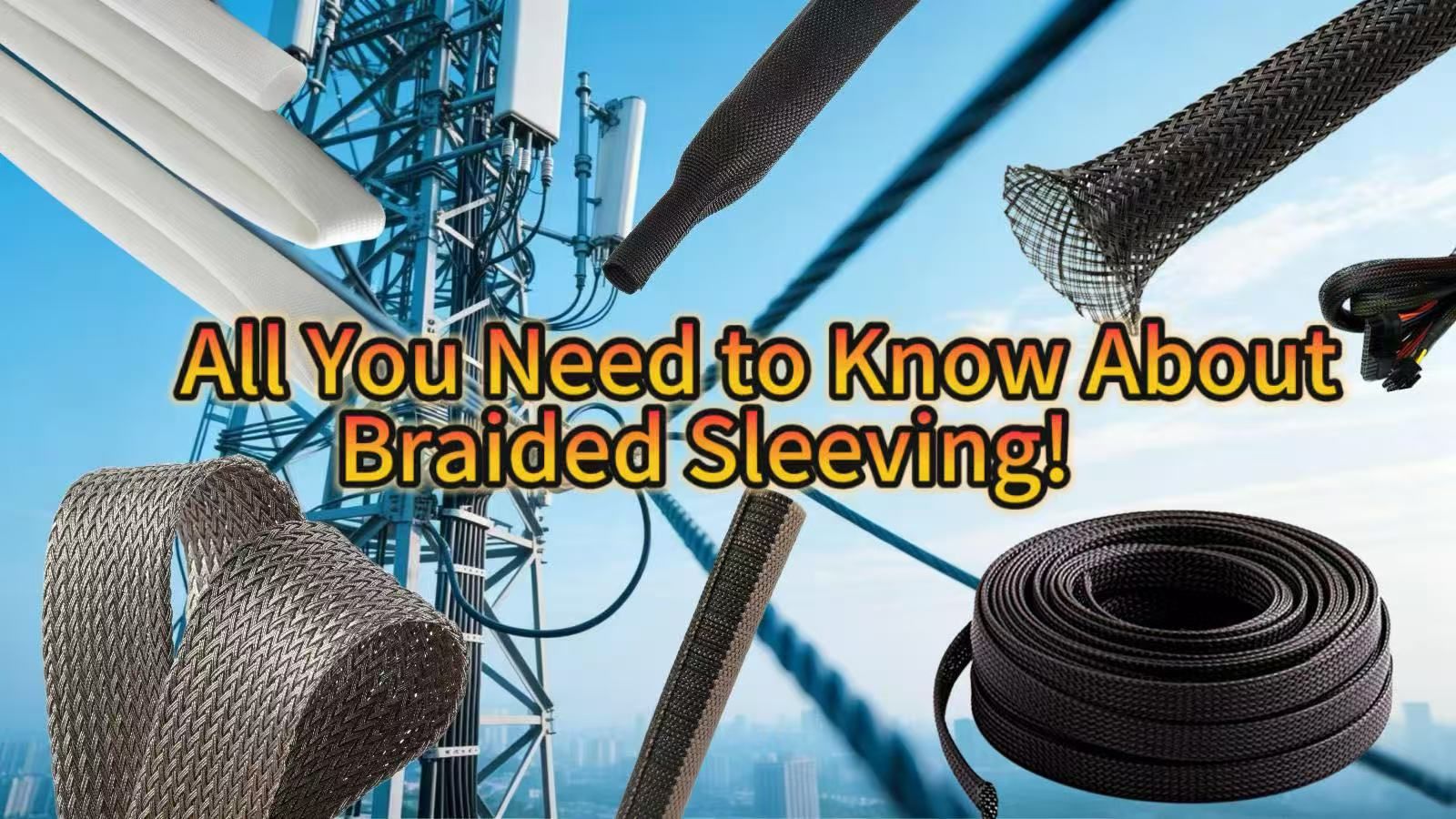
Are Your Cables Really Protected?
Braided cable sleeving are widely used, from household appliances to heavy industrial equipment. Many mistakenly think simply braided cable sleeving fulfills all protection requirements. As purchasers and decision-makers, can you be fully confident that the specifications, weather resistance and material standards of your purchased products match your actual working conditions?
A sleeve is far more than just a cover for cables. Poor product selection may bring hidden risks to equipment operation over time.
What Is Braided Cable Sleeving?
Here is a simple breakdown of braided cable sleeving and how it works.
What is braided cable sleeving?
Braided from high-performance fibers, this flexible, stretchable sleeving neatly bundles and fully protects cables and wire harnesses for household, commercial and industrial applications.
How does it work?
Thanks to its cross-braided structure, the Braided cable sleeving stretches to fit different cable sizes and stays tightly wrapped in use. Unlike stiff pipe conduits, it bends and moves freely with cables, delivering full protection without limiting flexibility.
Common available materials
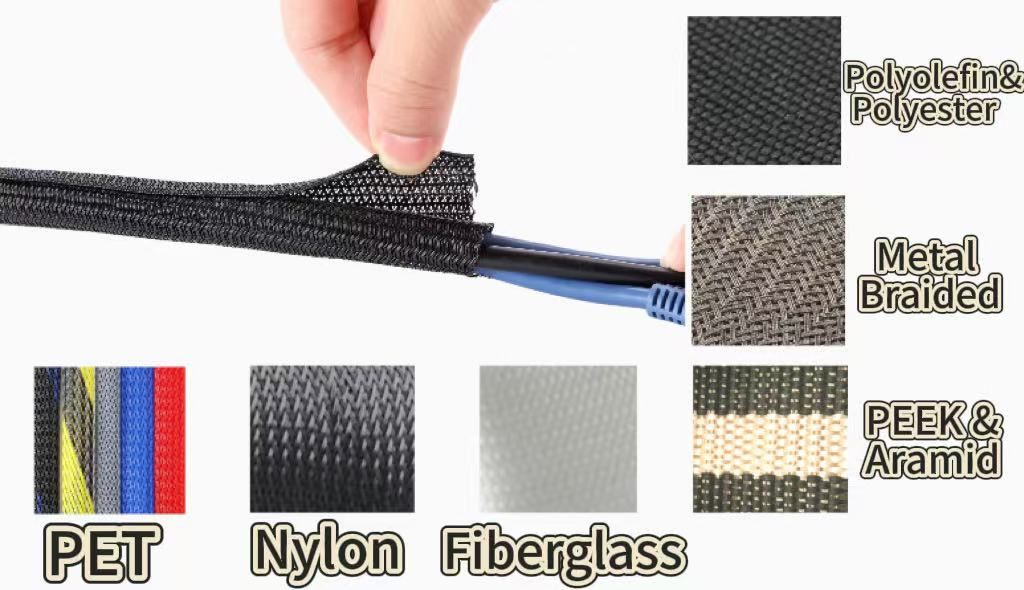
Different materials suit different working environments, from daily use to heavy-duty industrial conditions:
1.PET: Affordable and wear-resistant, perfect for general cable management.
2.Nylon: Tough and highly abrasion-resistant for moving mechanical cables.
3.Fiberglass: Heat and flame resistant for high-temperature environments.
4.PEEK and Aramid: Ultra-strong, tear-proof and heat-resistant for high-grade industrial use.
5.Metal braided: Provides professional EMI/RFI shielding for precision electronic devices.
6.Polyolefin and Polyester: Heat-shrinkable blended material with great abrasion resistance and insulation for compact, sealed cable harness protection.
How to Choose the Right Braided Cable Sleeving?
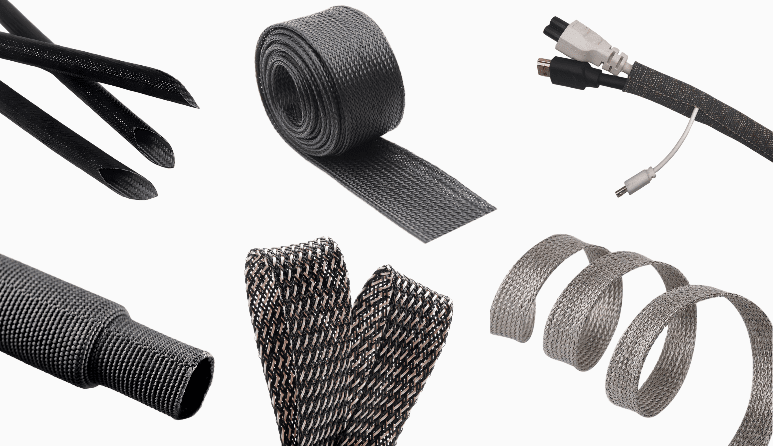
1. Select the Right Material According to the Environment
Match Braided cable sleeving materials to actual application environments for targeted cable protection. Daily household, office and consumer electronics wiring suits PET Expandable Braided Sleeving. Fire-prone automotive and industrial scenarios require the flame-retardant Braided Nylon wire sleeving.
High-temperature working conditions such as engine bays and industrial furnaces apply High Temp Fiberglass Sleeving. Precision medical, communication and audio devices needing signal anti-interference use cable shielding sleeve. General commercial wiring and high-end industrial maintenance fit Self Wrapping Braided Sleeving (PET/PEEK), while industrial cable harnesses needing insulation and wear resistance adopt Heat Shrink Braided Sleeving.
2. Confirm the Exact Size & Expansion Ratio
For stable installation and service performance, measure the outer diameter of bundled cables and select specifications based on product expansion ratio. A well-fitted Braided cable sleeving fits closely without tight restraint, enabling flexible cable bending and anti-slip performance.
3.Match the Correct Installation Method
For disassemblable cable harnesses, expandable sleeving such as PET expandable sleeving and Braided Nylon wire sleeving are great options. If you need to carry out maintenance on finished, non-detachable cables without disassembly, tool-free Self Wrapping Braided Sleeving is your ideal choice. Heat Shrink Braided Sleeving is adopted when sealed and compact wrapping is required after installation.
4. Verify Industry Authoritative Certifications
Industrial, automotive and export projects demand certified cable accessories for safety and compliance. All core models, including PET Expandable Braided Sleeving, self wrapping braided Sleeving, Braided Nylon wire sleeving, High Temp Fiberglass Sleeving, Cable shielding sleeve and Heat Shrink Braided Sleeving, comply with RoHS and REACH standards, meeting official project acceptance requirements.
Why Do So Many Industries Use Braided Cable Sleeving?
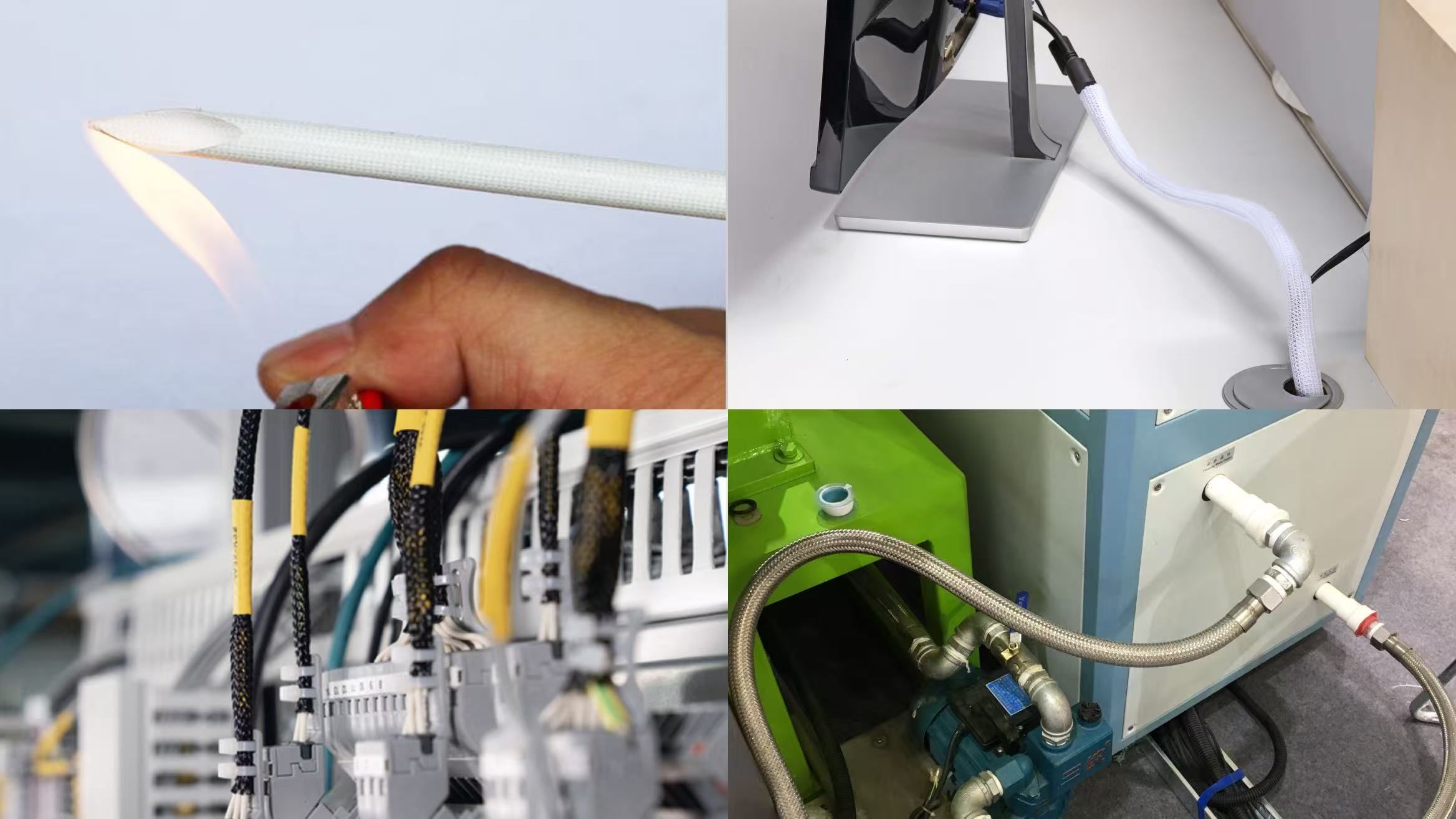
1. Protect Cables from Wear & Mechanical Damage
2. Simplify Wiring Maintenance with Neat Cable Organization
3. Resist Heat, Flame & Industrial Chemicals
4. Upgrade Equipment Appearance & OEM Product Grade
5. Reduce Mechanical Noise & Vibration Wear
6. Improve Overall Electrical Safety
7. Block EMI/RFI Interference for Precision Devices
Where Is Braided Cable Sleeving Used?

Braided cable sleeving is widely used for wiring protection and cable arrangement in industrial, commercial and daily scenarios.
Industrial & High-end Professional Scenarios
Applicable to automotive, new energy, industrial automation, aerospace and renewable energy. It protects harnesses, battery cables and movable wires from heat, oil and vibration wear. With excellent UV resistance and anti-aging capability, it works reliably under extreme outdoor conditions for solar, wind power and precision equipment.
Civil & Commercial Daily Scenarios
Perfect for data centers, offices and homes. It sorts messy wires, prevents cable damage, facilitates inspection & maintenance, and removes safety risks to realize tidy, safe cable management.
Conclusion
Braided cable sleeving is a simple but powerful accessory for all wiring systems. It greatly boosts cable safety, equipment stability, maintenance efficiency and overall product appearance with core benefits:
1.Provides all-round cable protection against wear and aging
2.Extends the service life of cables and equipment
3.Makes daily maintenance and fault checking much easier
4.Keeps wiring clean, tidy and standardized
5.Improves electrical safety and signal stability
We are an experienced braided cable sleeving manufacturer with over 20 years of production experience. We offer flexible OEM and ODM customization, including custom sizes, colors, materials and functional features to fit home, commercial and diverse industrial scenarios. Feel free to contact us for professional, customized cable protection solutions.
FAQ
Q1: What is braided cable sleeving used for?
A: It protects, bundles and organizes cables. It prevents wear, heat damage and safety risks for home, commercial and industrial wiring.
Q2: Is Braided cable sleeving better than traditional protection?
A: Yes. It is more flexible, breathable, lightweight and easier to install than rigid pipes, tape or spiral tubing, with better heat dissipation.
Q3: Can it be installed on finished cables?
A: Yes. Self-wrapping split sleeving , Zipper Braided sleeving and Hook and loop braided sleeving are all installs directly on existing cables without disassembly, perfect for maintenance and upgrades.
Q4: What is the best Braided cable sleeving for daily use?
A: PET expandable sleeving and Self Wrapping Braided Sleeving the most cost-effective option, ideal for daily cable protection and organization in homes and offices.
Q5: What Braided cable sleeving works for high-temperature environments?
A: High Temp Fiberglass Sleeving resists continuous high heat, suitable for engine bays, industrial machinery and aerospace wiring.
Q6: Is Braided cable sleeving flame retardant?
A: Braided Nylon wire sleeving offers self-extinguishing performance for fire-risk industrial and automotive scenarios.
Q7: Can braided cable sleeving can used in outdoors?
A: Yes. Choose UV-resistant customized Braided cable sleeving to avoid aging, brittleness and cracking from long-term sun and rain exposure.
Hey there, I’m Mia !

Get A Quote


Related Post You May Also Like
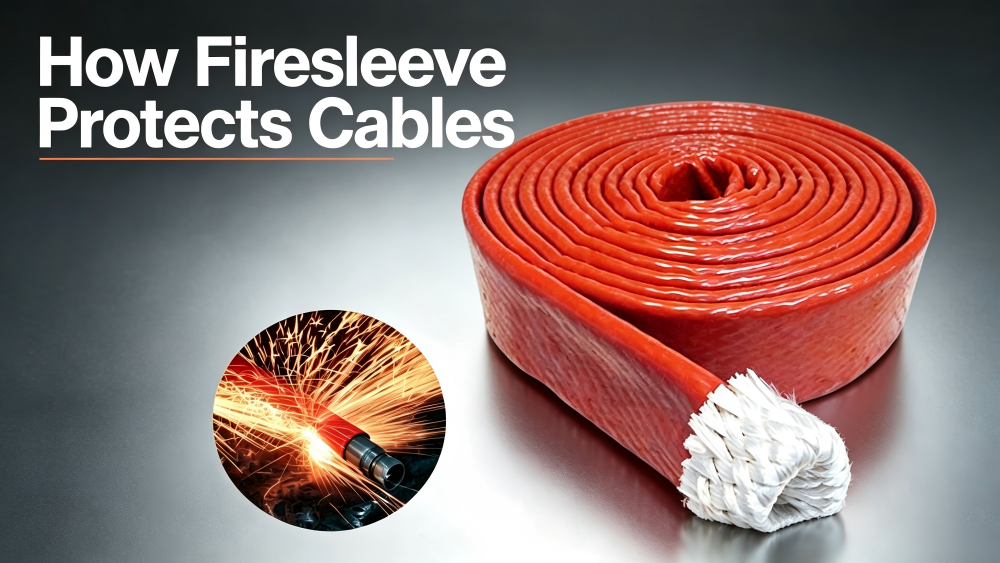
How Fire Sleeve Protects Cables
[pac_divi_table_of_contents included_headings="off|on|on|off|off|off" exclude_headings_by_class="on" active_link_highlight="on" level_markers_3="icons" title_container_padding="10px|15px|10px|15px|true|false" title_container_bg_color="#333333" body_area_height="650px"...
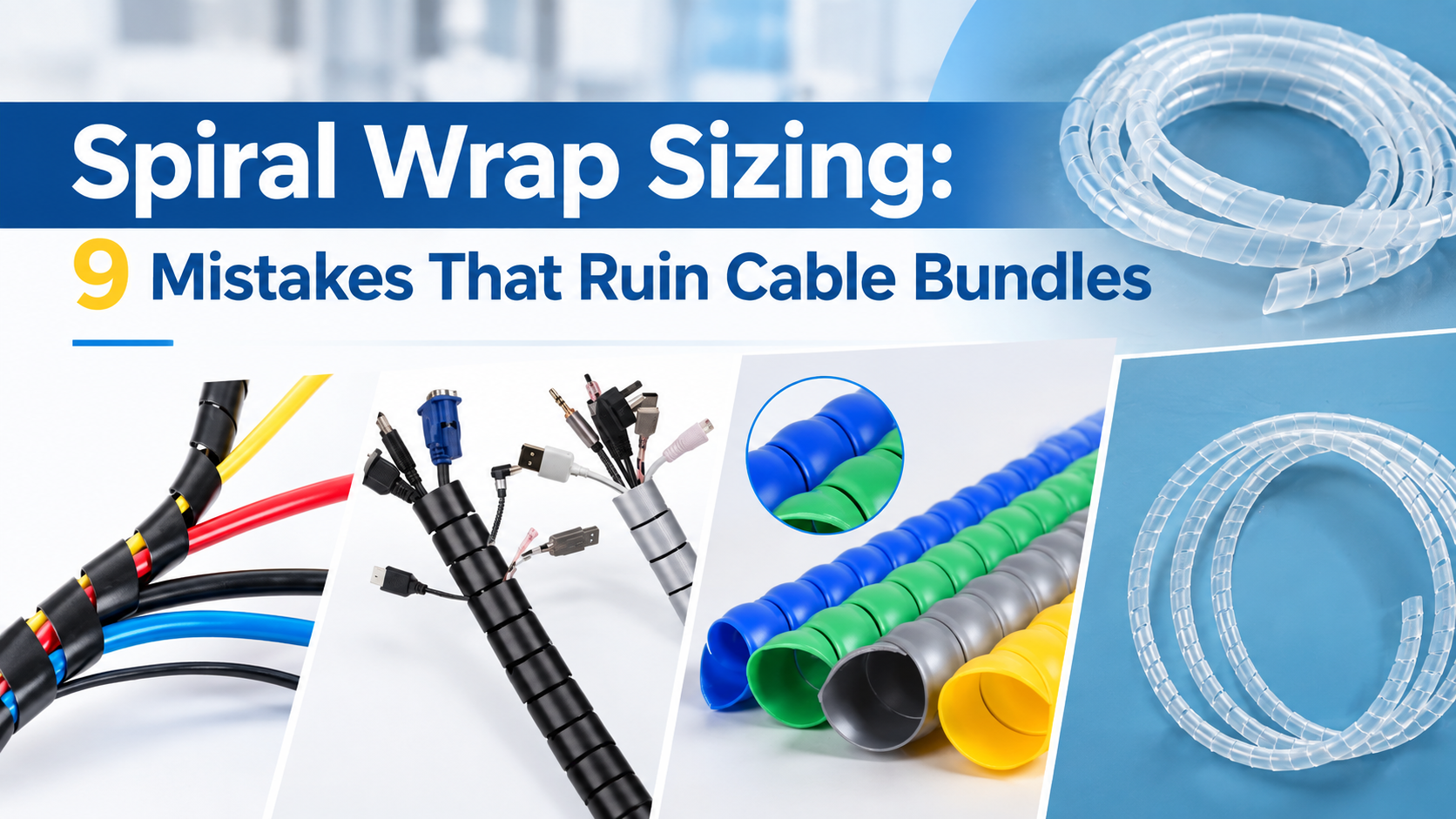
Spiral Wrap Sizing: 9 Mistakes That Ruin Cable Bundles
[pac_divi_table_of_contents included_headings="off|on|on|off|off|off" exclude_headings_by_class="on" active_link_highlight="on" level_markers_3="icons" title_container_padding="10px|15px|10px|15px|true|false" title_container_bg_color="#333333" body_area_height="650px"...
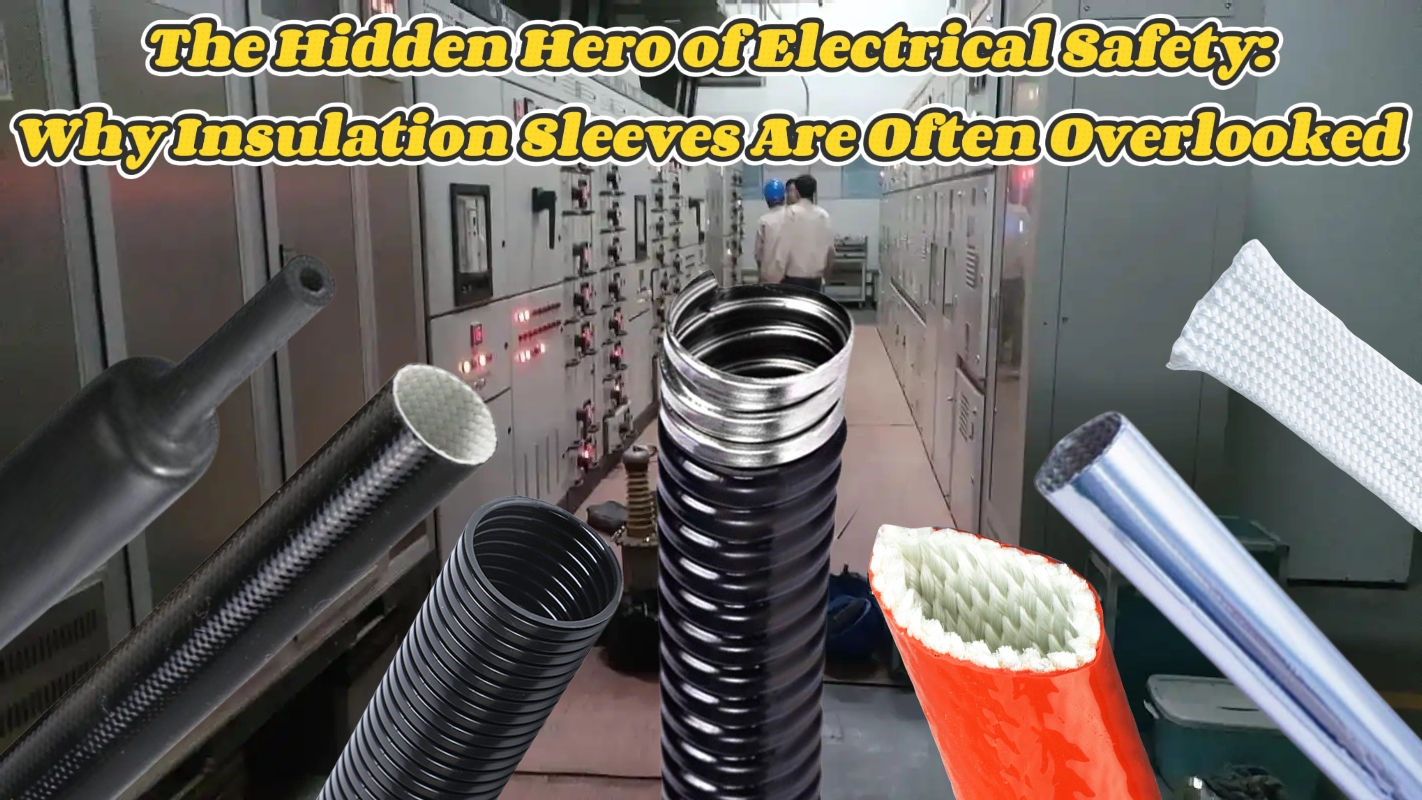
The Hidden Hero of Electrical Safety: Why Insulation Sleeves Are Often Overlooked
[pac_divi_table_of_contents included_headings="off|on|on|off|off|off" exclude_headings_by_class="on" active_link_highlight="on" level_markers_3="icons" title_container_padding="10px|15px|10px|15px|true|false" title_container_bg_color="#333333" body_area_height="650px"...
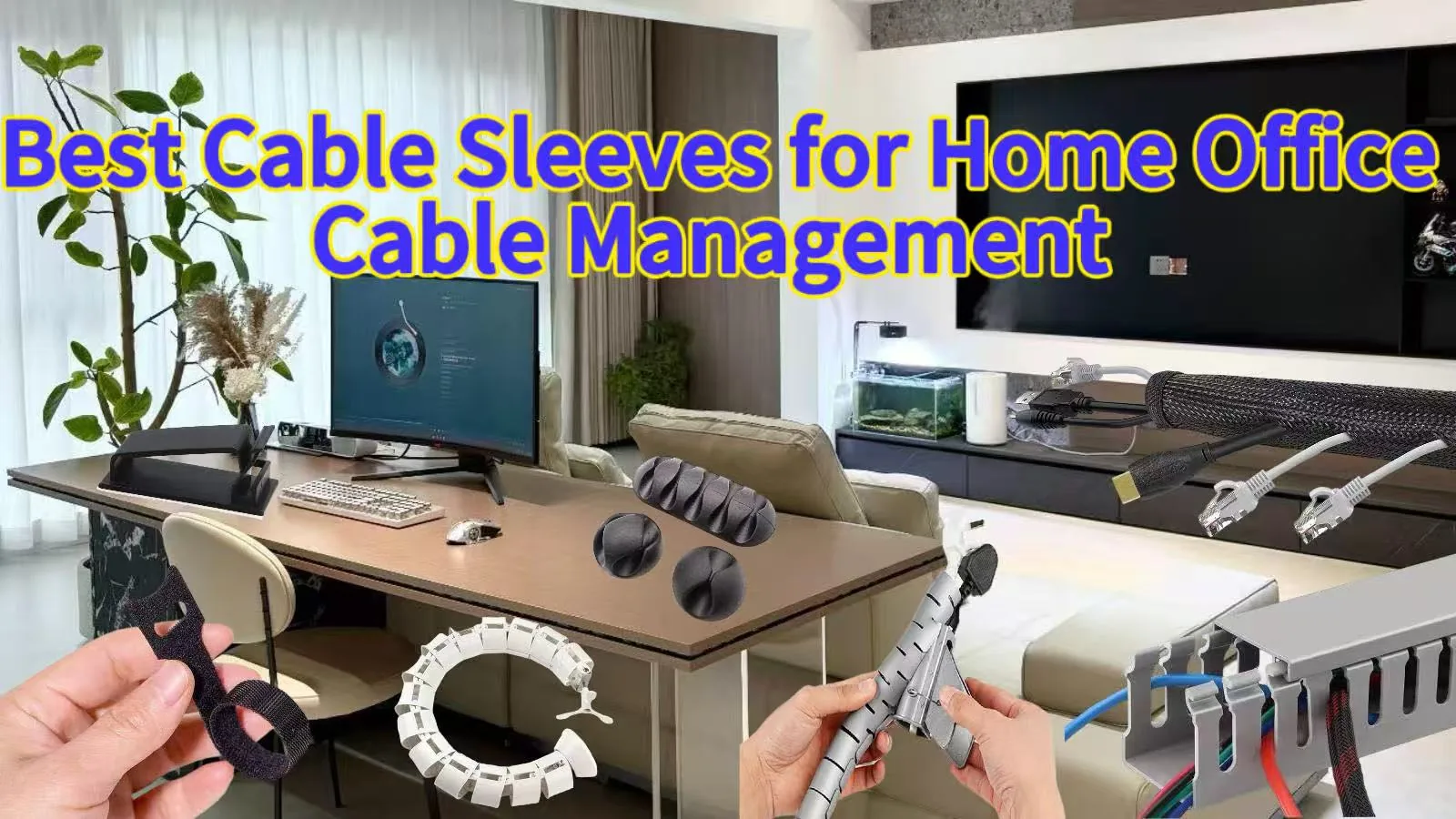
Best Cable Sleeves for Home Office Cable Management
[pac_divi_table_of_contents included_headings="off|on|on|off|off|off" exclude_headings_by_class="on" active_link_highlight="on" level_markers_3="icons" title_container_padding="10px|15px|10px|15px|true|false" title_container_bg_color="#333333" body_area_height="650px"...
0 Comments