
Wire Harness Protection in EV Applications
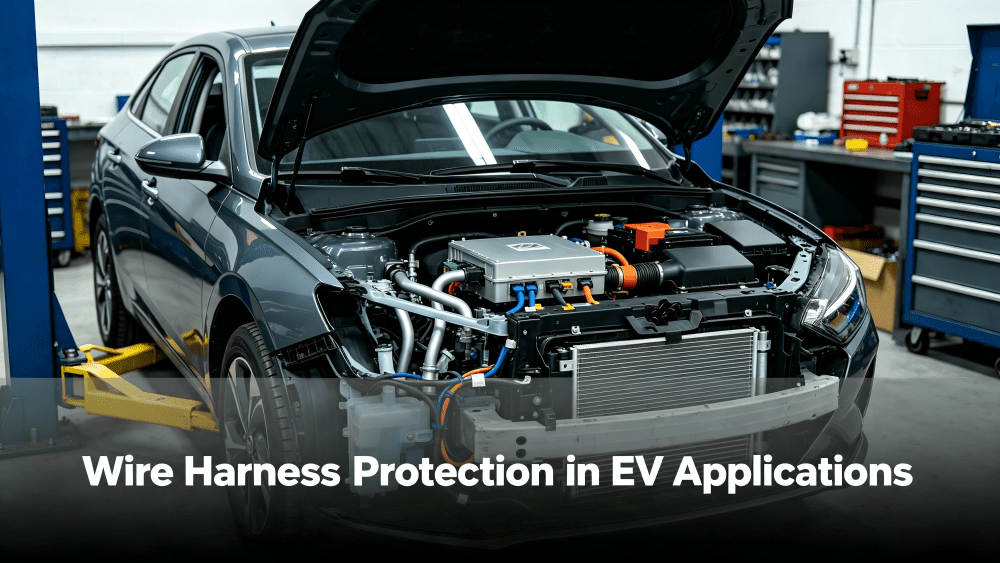
EV internal working conditions are far more rigorous than traditional fuel vehicles. Core power components generate continuous high heat and mechanical vibration during operation.
Vehicle driving and chassis extrusion also bring long-term friction. Different functional areas have distinct environmental stresses, putting forward higher requirements for wire protection.
Problems Faced by EV Wire Harnesses
High temperature accelerates wire insulation aging, hardening and cracking, easily causing circuit short circuits and failure.
Persistent vibration and friction wear the outer sheath of harnesses, greatly shortening the service life of vehicle wiring systems.
EV power systems face potential thermal runaway risks, requiring strict flame retardant performance to avoid safety accidents.
Most integrated vehicle harnesses need regular inspection and repair. Traditional car wire protector structures lead to difficult disassembly and low maintenance efficiency.
Essential Protection Performance Requirements
Wire harness protection for EV use must have stable high-temperature resistance to adapt to long-term heat radiation from batteries and power components.
Excellent abrasion and vibration resistance is required to resist daily driving friction and mechanical shaking.
Professional flame retardant property is a must to prevent flame spread and ensure overall vehicle safety.
The cable sleeving structure needs to support quick disassembly and assembly, reserving convenient operation space for later maintenance.
Matching cable sleeve Types for Different EV Scenarios
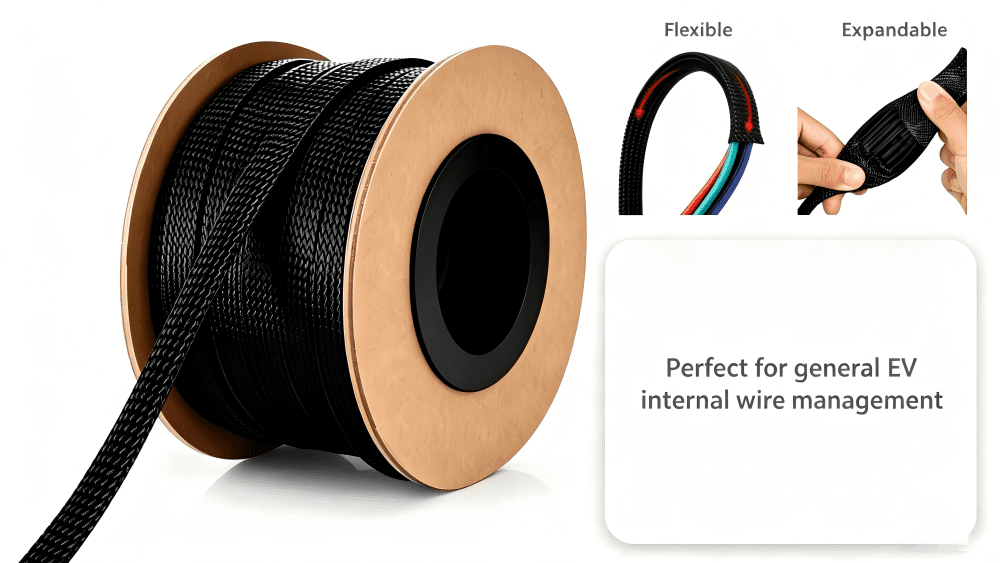
PET expandable braided sleeve: expendable and wear-resistant. Perfect for general EV internal wire management, providing daily abrasion and friction protection and management for conventional wiring.
Silicone fiberglass sleeve: designed for high temperature environments. Ideal for motors, inverters and high-heat power areas, isolating radiant heat and preventing wire aging.
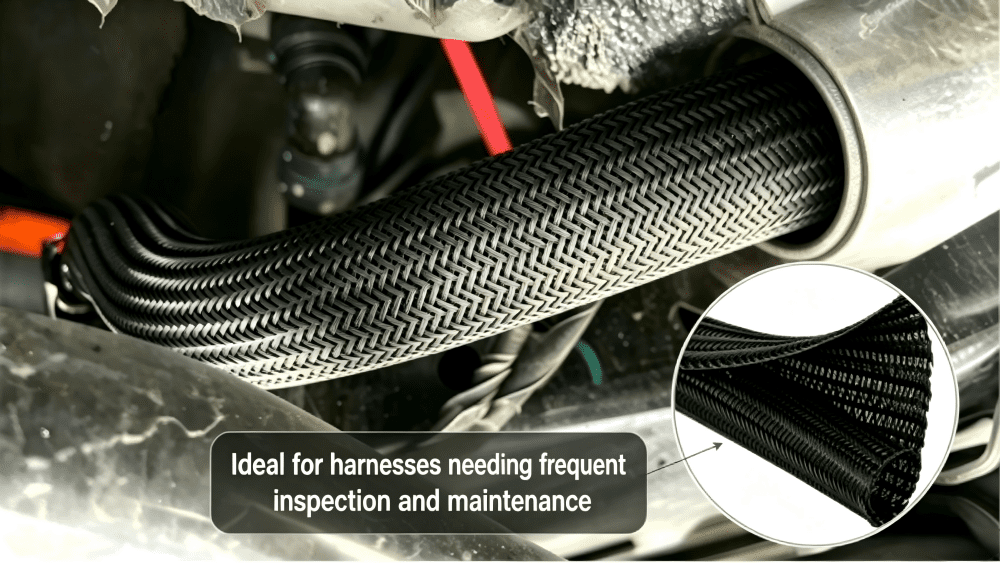
Split braided sleeve: easy-install and maintenance-friendly. Suitable for harnesses requiring frequent inspection and repair, no need to disassemble the whole wire bundle.
Zipper woven cable sleeve: features fully enclosed zipper structure. Delivers neat bundling and strong wear resistance, ideal for regular EV wiring and harness finishing.
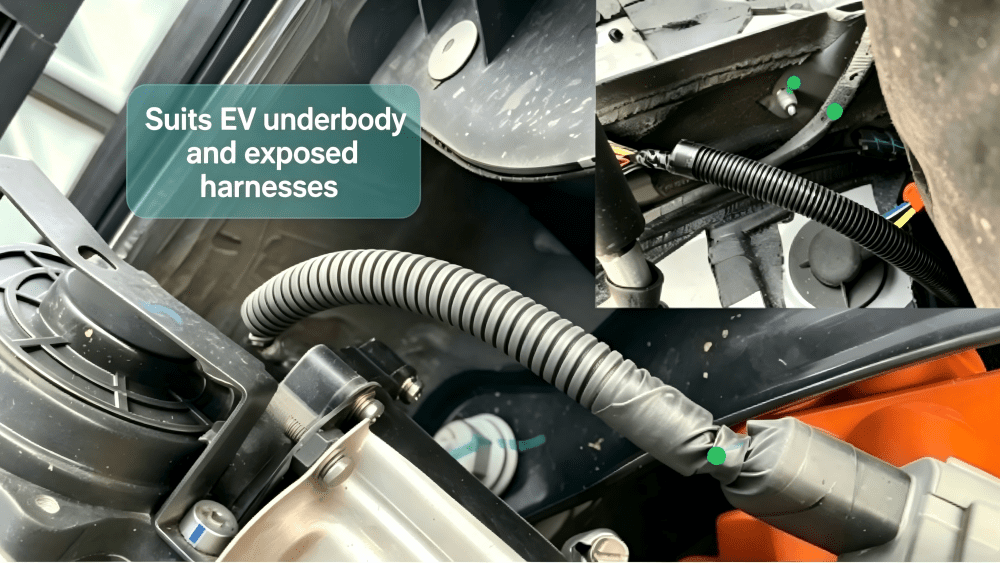
Corrugated tubing: high mechanical and impact resistance. Suits EV underbody and exposed harnesses, resisting stone hits, extrusion and outdoor environmental erosion.
EV Wire Sleeve Selection Guide
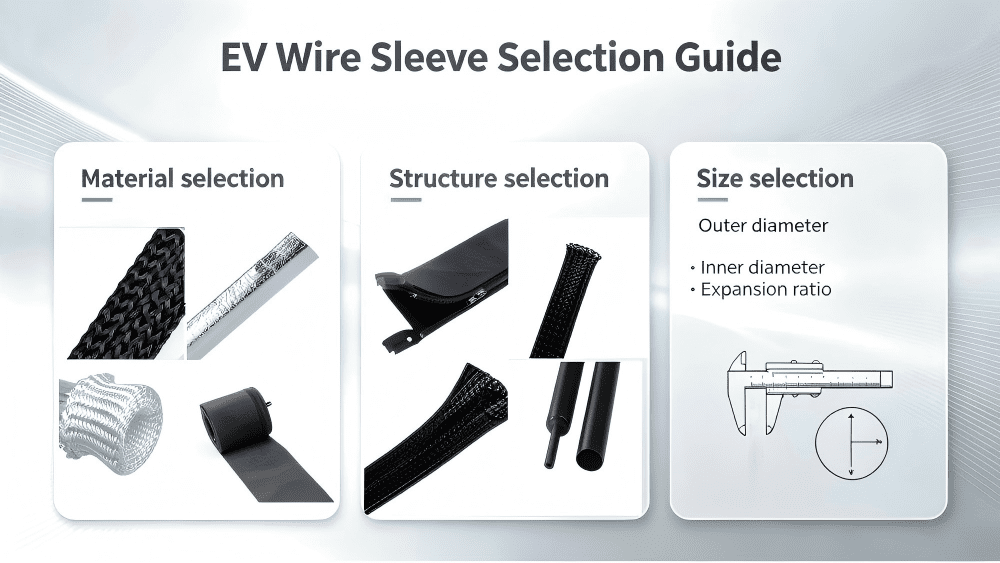
Material selection
Match materials to actual working conditions. Choose PET for normal-temperature anti-wear scenarios. Pick fiberglass or aluminum fiberglass composite materials for sustained high-temperature areas.
Structure selection
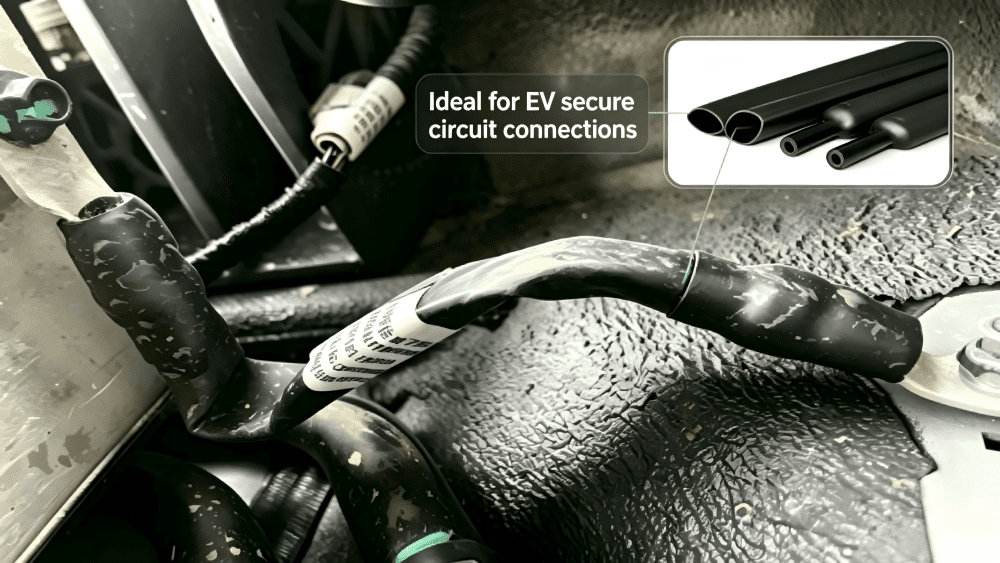
Adopt corrugated tube for exposed underbody harnesses needing anti-impact protection. Use zipper sleeves for tidy fixed bundling. Choose split sleeves for easy maintenance. Apply heat shrink tube for terminal sealing.
Size selection
Confirm the outer diameter of the wire harness first. Select cable sleeve inner diameter and expansion ratio reasonably. Avoid overly tight extrusion or loose slipping to ensure fitting protection and flexible wiring.
Key Technical Data to Confirm in Procurement
Confirm core performance indicators first: temperature resistance range, flame retardant grade and abrasion resistance standard.
Verify environmental adaptability, including oil resistance, coolant resistance and salt spray resistance for
Vehicle scenarios.
Confirm customized specifications: sleeve length, diameter, color, wall thickness and logo printing to match project standards.
Why Choose a Customizable & Stable Mass-Production Manufacturer
Standard universal sleeves cannot meet the differentiated protection needs of different EV component scenarios.
As a professional factory-direct manufacturer, we support full OEM/ODM customization for all EV wiring environments.
With 20+ years of production experience, strict ISO quality control and stable mass production capacity, we deliver consistent-quality customized cable sleeving.
We offer custom protection solutions for EV batteries, high-voltage harnesses, motors and charging systems, helping manufacturers reliably resolve wiring safety issues and simplify ongoing maintenance.
FAQ
Q1. How do you choose the right wire harness protection for EV use?
A: Consider working temperature, abrasion, vibration, chemical exposure, flexibility and installation space. We tailor protection solutions to your actual EV wiring and installation scenarios.
Q2. What is the best protective sleeve for EV wire harnesses?
A: Popular options are braided sleeving, corrugated tubing and heat-resistant sleeves. The best choice depends on your needs for temperature resistance, wear resistance, flexibility and protection level.
Q3. What temperature rating do EV wire harness protections need?
A: It’s determined by the harness installation location. Parts near batteries, motors and inverters require high-temperature protection for continuous and peak heat conditions.
Q4. Why is wire harness protection so important for EVs?
A: It shields EV wires from heat, abrasion, vibration, moisture and chemical damage. It effectively enhances electrical safety, operational reliability and harness service life.
Q5. What materials are used for EV wire harness protection?
A: Main materials are PET, nylon, polyolefin, PVC, silicone and fiberglass. Material selection follows your requirements for heat resistance, flexibility, wear resistance, chemical resistance and flame retardancy.
Q6. How to protect EV wire harnesses from high heat?
A: Use heat resistant sleeves, fiberglass shielding and thermal reflective materials for heat insulation. Optimizing wiring paths away from heat sources also provides reliable heat protection.
Q7. How to prevent abrasion and vibration damage to EV harnesses?
A: Braided sleeves, corrugated tubes and grommets reduce abrasion and vibration wear. Reasonable wiring and secure fixation also prevent long-term harness damage and failure.
Hey there, I’m Vicky!

Get A Quote


Related Post You May Also Like
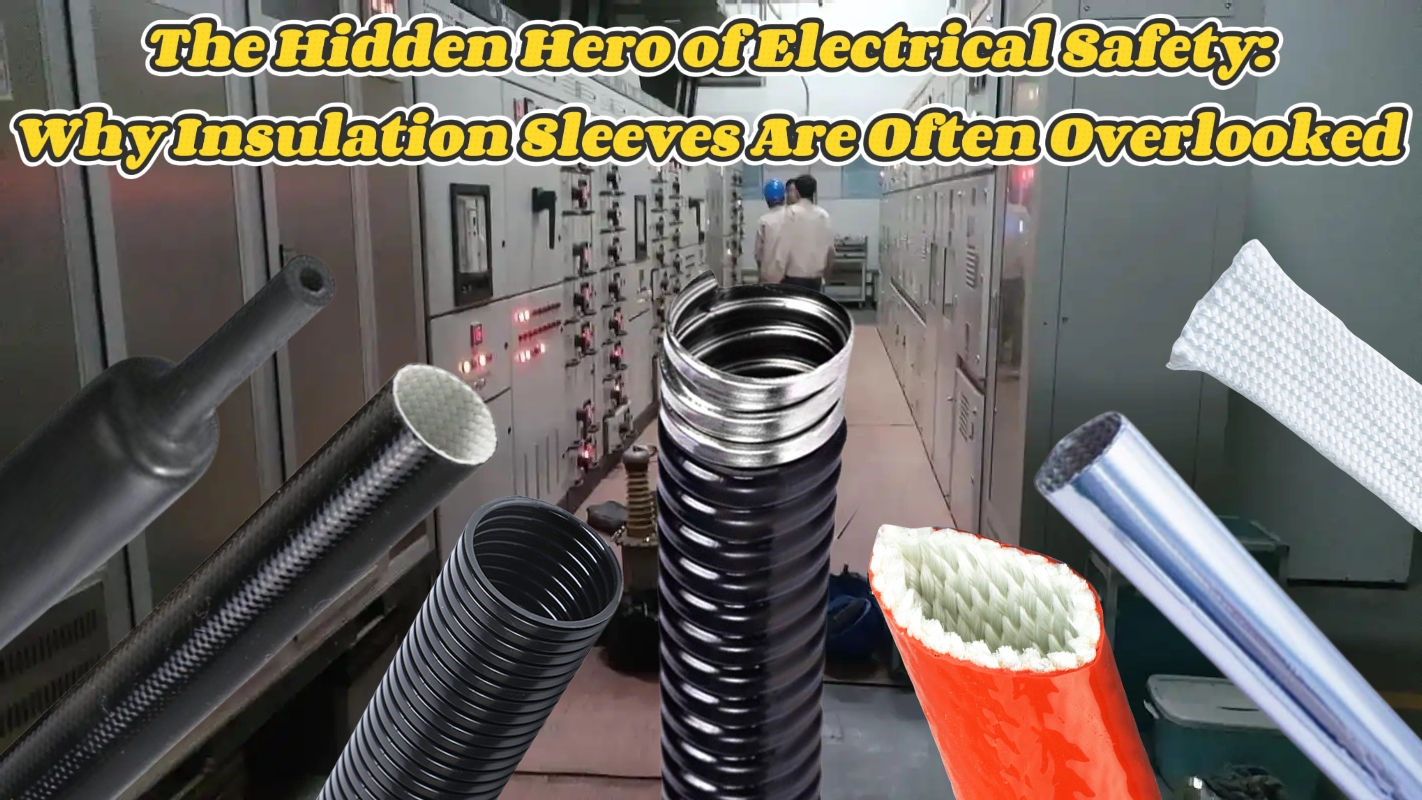
The Hidden Hero of Electrical Safety: Why Insulation Sleeves Are Often Overlooked
[pac_divi_table_of_contents included_headings="off|on|on|off|off|off" exclude_headings_by_class="on" active_link_highlight="on" level_markers_3="icons" title_container_padding="10px|15px|10px|15px|true|false" title_container_bg_color="#333333" body_area_height="650px"...

Best Cable Sleeves for Home Office Cable Management
[pac_divi_table_of_contents included_headings="off|on|on|off|off|off" exclude_headings_by_class="on" active_link_highlight="on" level_markers_3="icons" title_container_padding="10px|15px|10px|15px|true|false" title_container_bg_color="#333333" body_area_height="650px"...
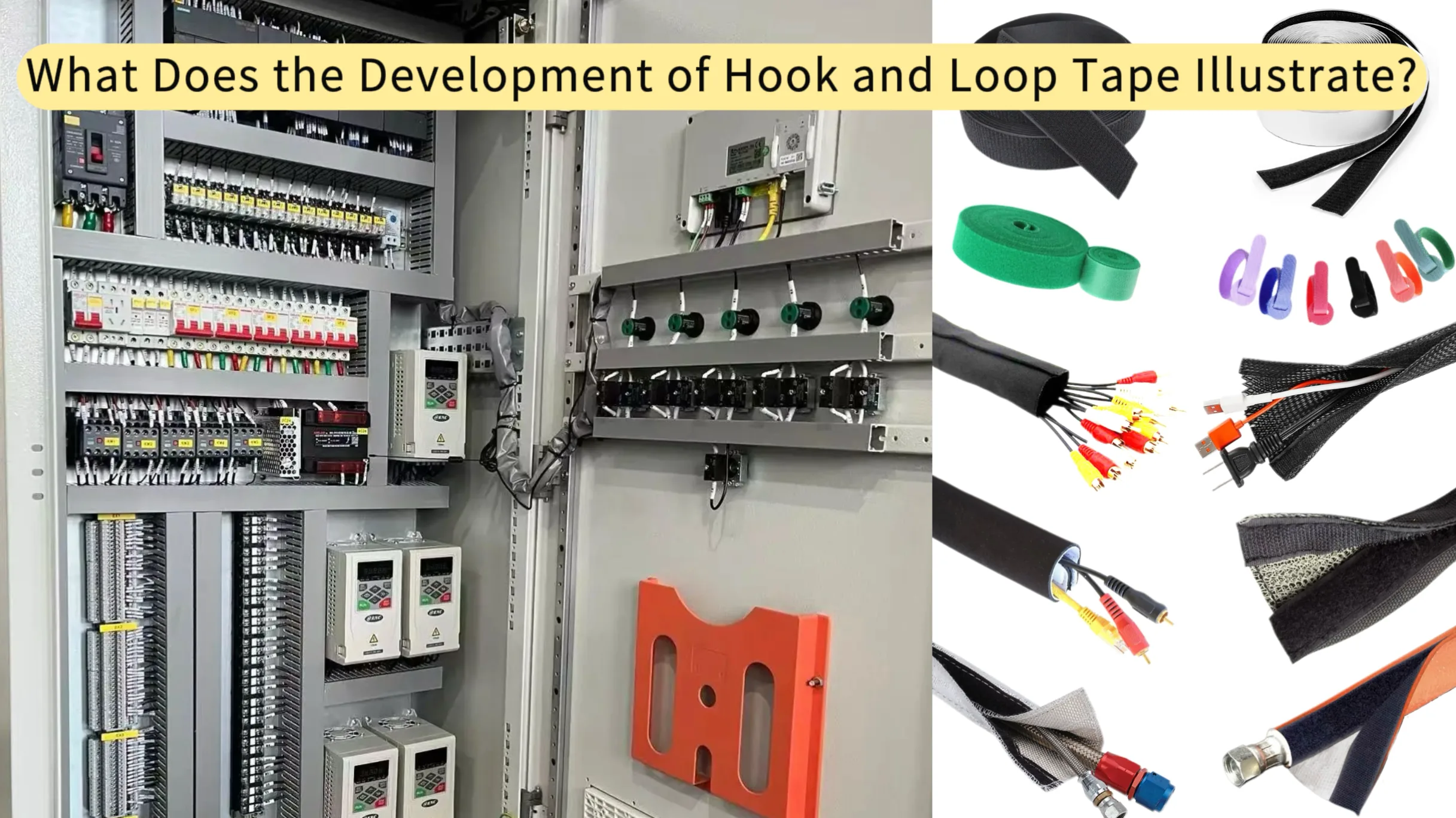
What Does the Development of Hook and Loop Tape Illustrate?
[pac_divi_table_of_contents included_headings="off|on|on|off|off|off" exclude_headings_by_class="on" active_link_highlight="on" level_markers_3="icons" title_container_padding="10px|15px|10px|15px|true|false" title_container_bg_color="#333333" body_area_height="650px"...

Velcro Cable Ties for Cable Management: Reusable and Easy to Us
[pac_divi_table_of_contents included_headings="off|on|on|off|off|off" exclude_headings_by_class="on" active_link_highlight="on" level_markers_3="icons" title_container_padding="10px|15px|10px|15px|true|false" title_container_bg_color="#333333" body_area_height="650px"...
0 Comments