
What is Cable Sleeve?

Ever thought about how we dealt with messy wires before the cable sleeve came along? Let’s start from the beginning to really get what this unsung hero of cord control is all about.
Where Cable Sleeves Came From?
Back when electronics started popping up everywhere in the late 1900s, homes and offices got overrun with cords—TVs, computers, printers, chargers, you name it. Tangled wires weren’t just ugly; they were dangerous. People tripped over them, and damaged cords ended up costing a lot in replacements. That mess is what pushed people to invent cable management sleeves. The first ones were just simple fabric tubes, but as tech got better, engineers made them into the handy tools we use now—mixing usefulness with sturdiness to keep up with our busy, gadget-filled lives.

What is Cable Sleeve?
A cable sleeve is a simple but clever device designed to wrap around wires and cables, offering wire protection and organization. Think of it as a tough, flexible jacket that shields your cables from everyday wear and tear, while also keeping them neat and tidy. Cable sleeve is widely used in different fields, tidying up messy wires or cables.
The materials that make them work
Cable sleeves work so well because they’re made of the right stuff.
The materials that make them work
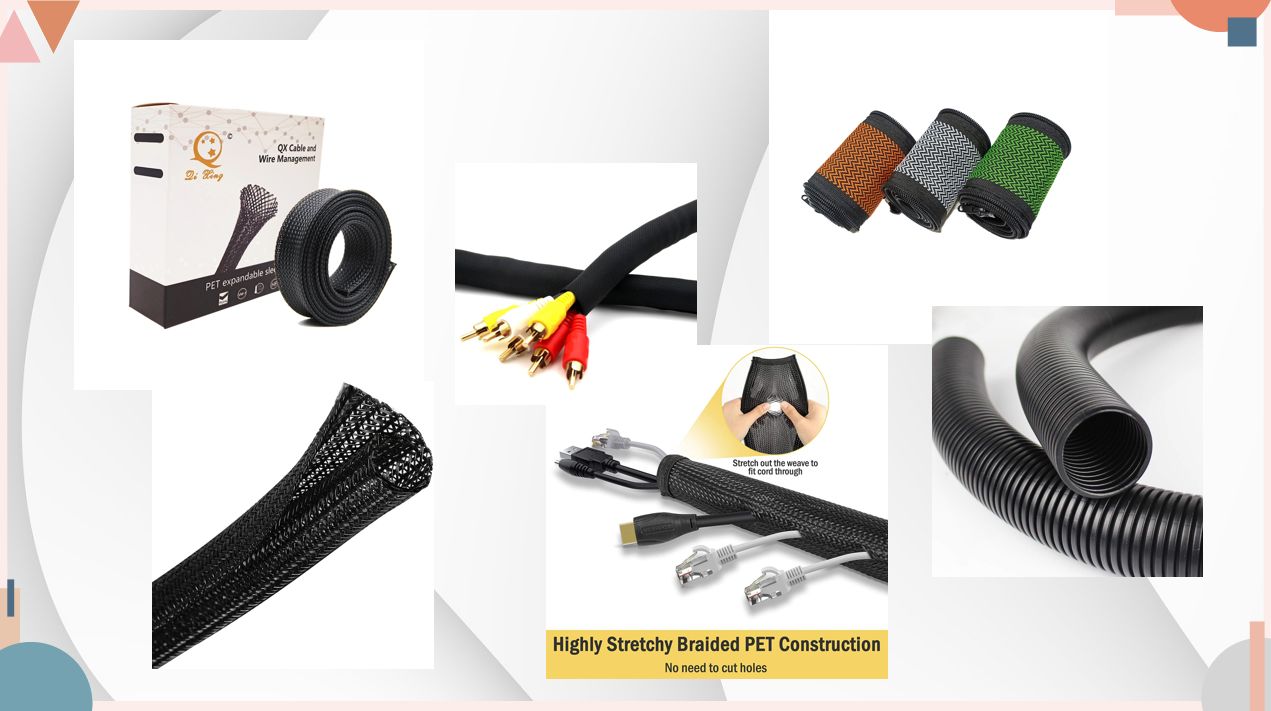
Nylon braided cable sleeve is soft and light, making it suitable for fitting a bunch of cords. The braided style lets air flow through, so the cords will not overheat, and it holds up to everyday use—perfect for around the house.
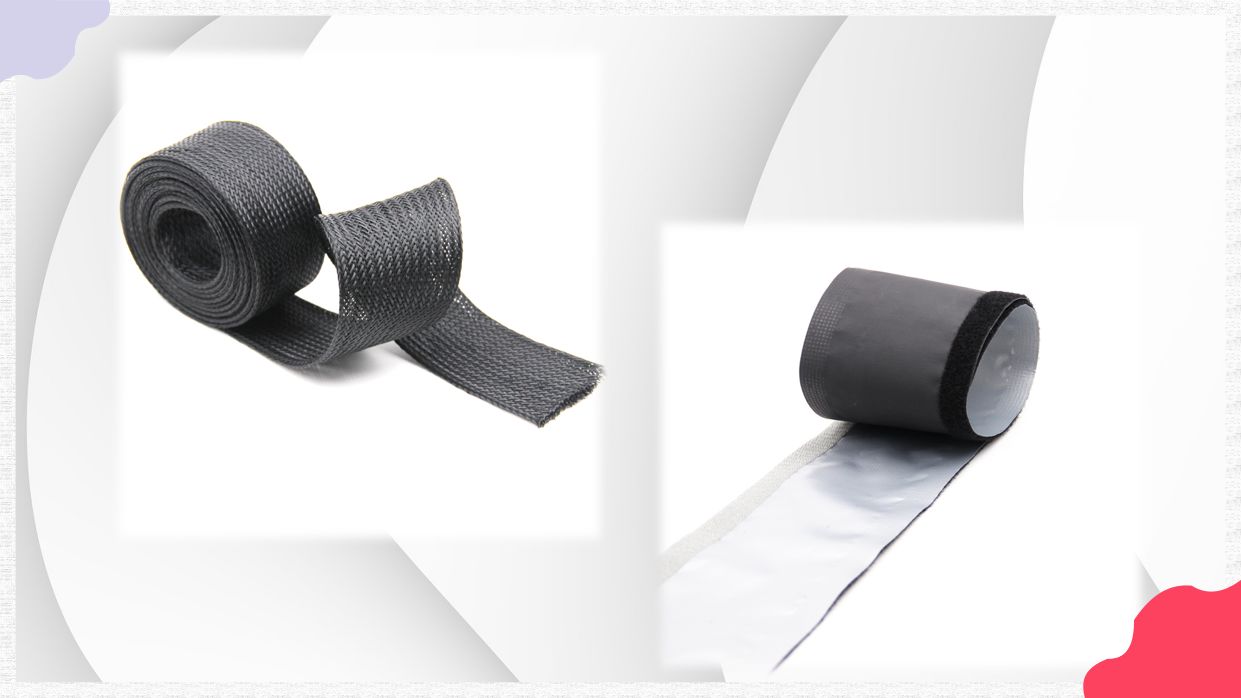
PVC: tough and water-resistant.
PVC sleeve don’t care about spills, moisture, or dust, which makes them great for garages, basements, or outside spots where wires have to deal with harsher conditions.
Metal Mesh: built to handle really high heat.
Made from Tinner copper, copper, or stainless steel, metal copper sleeves protect wires that are near engines, machines, or hot appliances—they can bear temperatures up to 200°C.
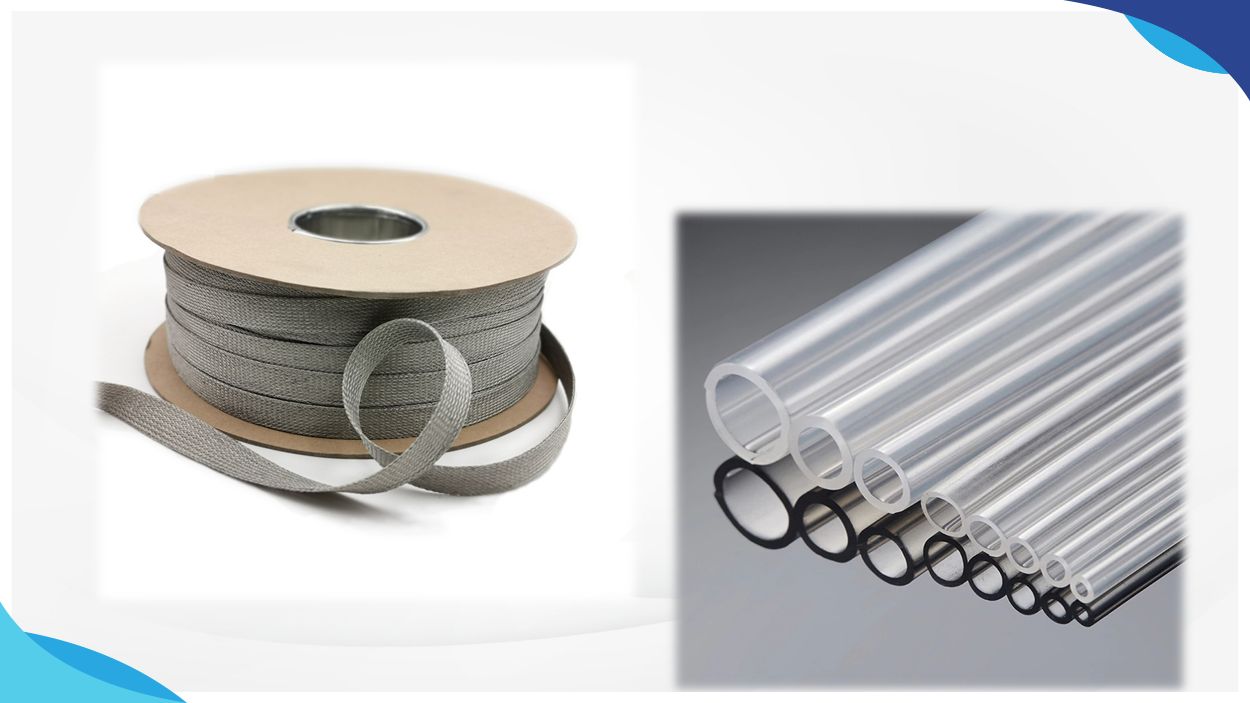
Silicone: the new material, known for being flexible and heat-resistant.
Silicone tube is good for tight spaces or where you need a soft touch, like around delicate electronics.
Styles and What They Do
Cable sleeves come in different styles, each good for different jobs.
1. Split braided sleeving
The split braided sleeving is the most popular type, with a slit down the side so you can slide cords in easily. You can reuse them too—just pop new cords in without taking the old ones out. Great for places that change a lot, like home offices.

2.Zippered / hook and loop sleeve
Cable sleeve with zipper or hook and loop to keep them closed tight. They’re perfect for big bundles of wires, keeping them packed together and stopping snags. Good for behind TVs or in server rooms.

3. Expandable braided sleeving
PET expandable braided sleeving can stretch to 2-3 times its original size. They adjust to how many cords you have, from a few chargers to a thick bunch of HDMI cables—super versatile.
4. Colored sleeves
Come in bright or muted colors. Colorful cable sleeve can help you organize—use red for power cords, blue for audio, and you’ll never mix them up again.
How to Use a Wire Collector
Having learned about the materials and styles of cable sleeves, how should they be used?
First, you need to select the appropriate cable sleeve based on your specific requirements.
Then you can use the installation according to the following steps:
1. Round up your cords and straighten them out.
2. Open the sleeve (either the split or zipper) and slide the cords inside—no tools needed.
3. Adjust it so it’s snug but not too tight (leave a little space to move).
Wire Sleeves are Widely Used in Many Places
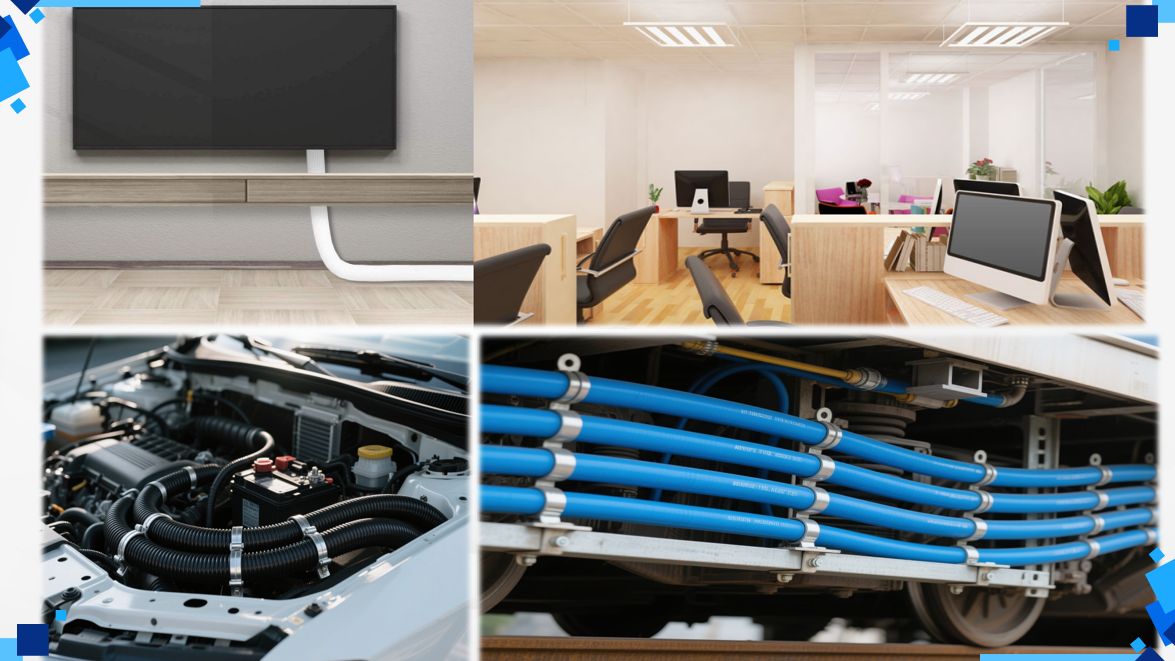
Home: Clean up that “cord mess” behind the TV or under the bed, where phone chargers and lamp wires always get tangled.
Office: Keep desk cords (laptop, keyboard, mouse) neat, cutting down on clutter and making your workspace feel more put-together.
Car: Use metal mesh sleeves under the hood to protect wires—heat and vibrations can wreck unprotected ones.
Industry: Such as silicone sleeves and braided cable sleeving are widely used in the protection of mechanical wiring in various industries. They not only effectively extend the service life of machinery but also ensure the safety of machinery usage.
From simple beginnings solving a basic problem to today’s versatile designs, wire and cable sleeves have become a must-have for anyone surrounded by wires. It’s not just about being organized—it’s about making your space safer, cleaner, and even a bit more stylish.
Ready to say goodbye to tangled cords? A cable sleeve might be that small thing that makes your daily life easier.
Hey there, I’m Vicky!

Get A Quote


Related Post You May Also Like
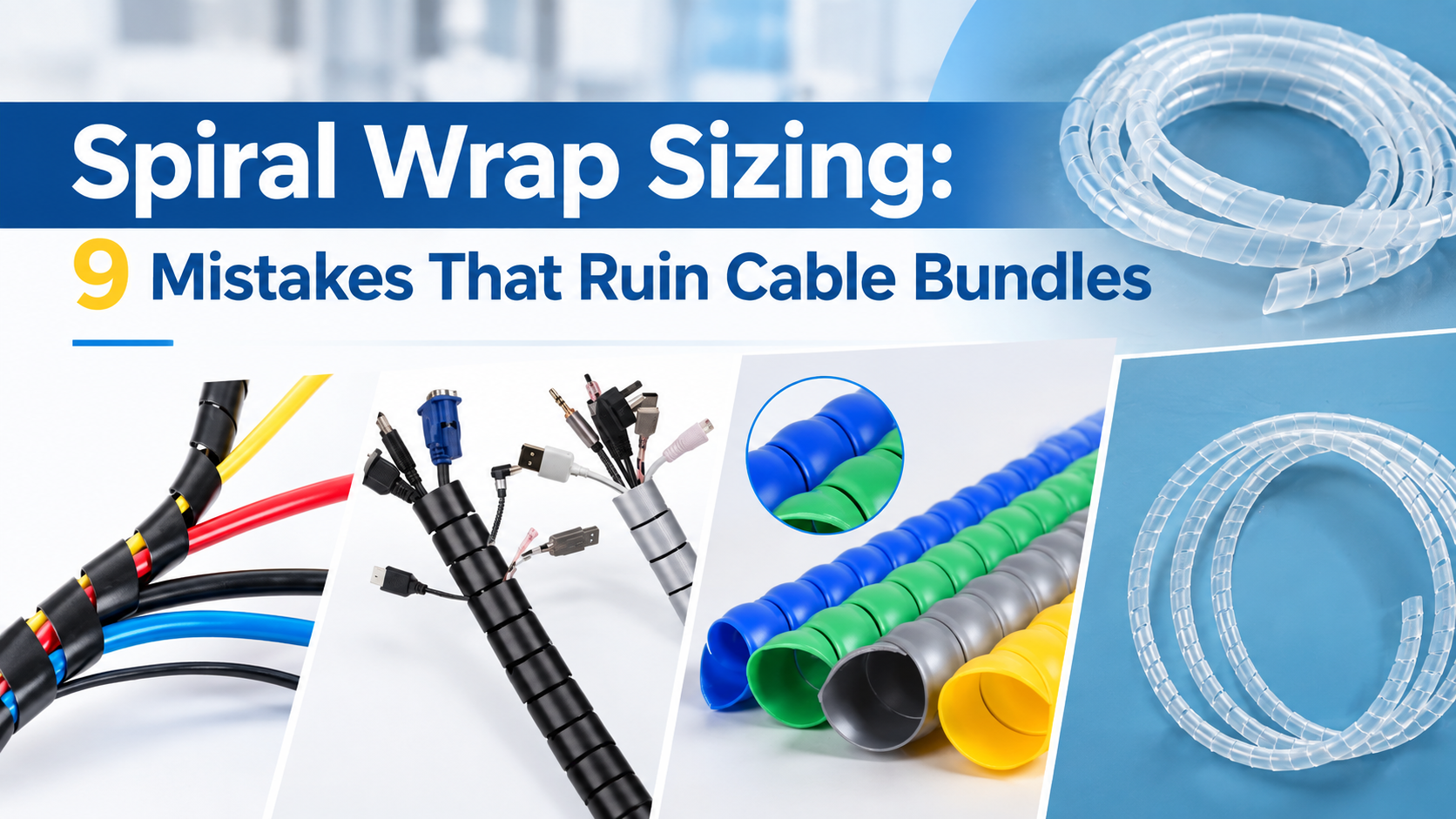
Spiral Wrap Sizing: 9 Mistakes That Ruin Cable Bundles
[pac_divi_table_of_contents included_headings="off|on|on|off|off|off" exclude_headings_by_class="on" active_link_highlight="on" level_markers_3="icons" title_container_padding="10px|15px|10px|15px|true|false" title_container_bg_color="#333333" body_area_height="650px"...
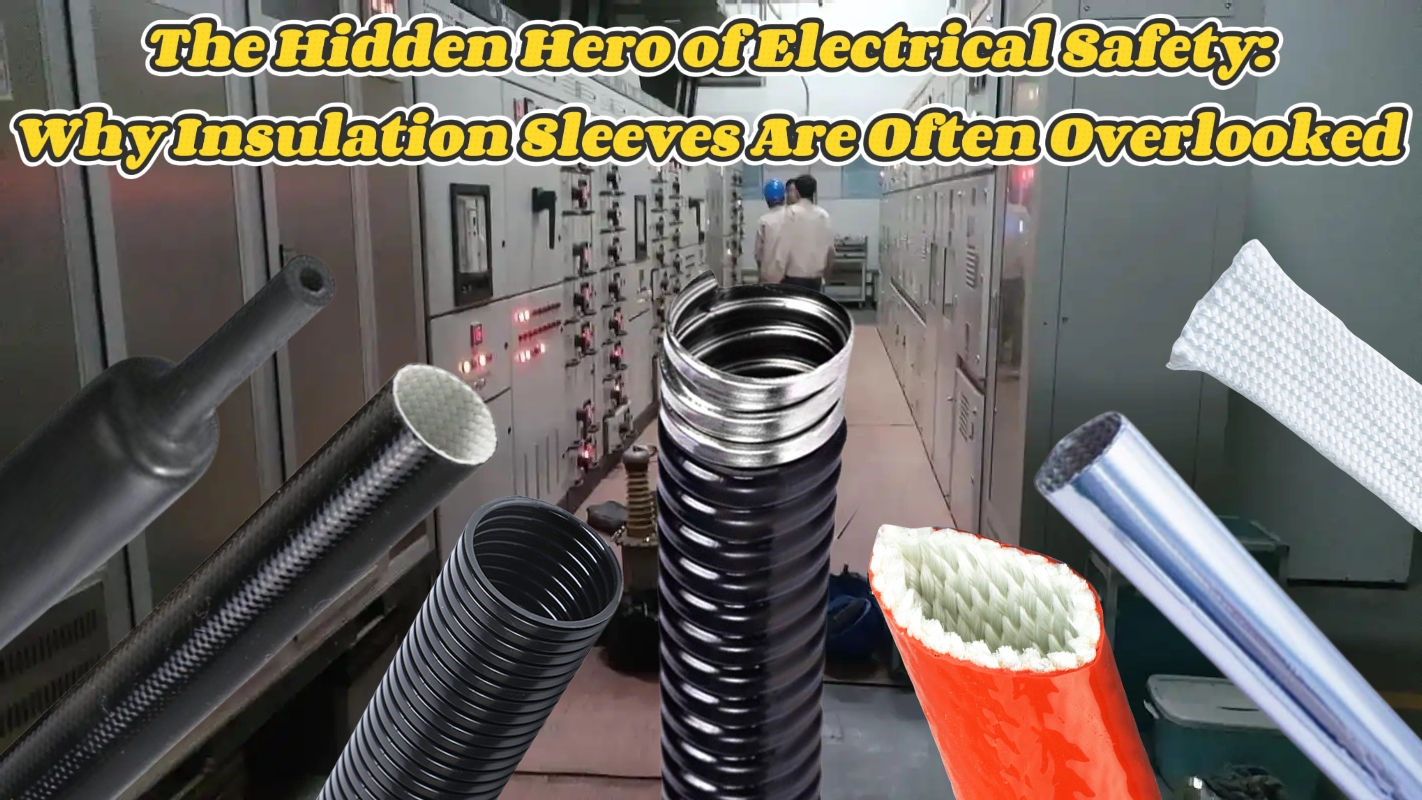
The Hidden Hero of Electrical Safety: Why Insulation Sleeves Are Often Overlooked
[pac_divi_table_of_contents included_headings="off|on|on|off|off|off" exclude_headings_by_class="on" active_link_highlight="on" level_markers_3="icons" title_container_padding="10px|15px|10px|15px|true|false" title_container_bg_color="#333333" body_area_height="650px"...

Best Cable Sleeves for Home Office Cable Management
[pac_divi_table_of_contents included_headings="off|on|on|off|off|off" exclude_headings_by_class="on" active_link_highlight="on" level_markers_3="icons" title_container_padding="10px|15px|10px|15px|true|false" title_container_bg_color="#333333" body_area_height="650px"...
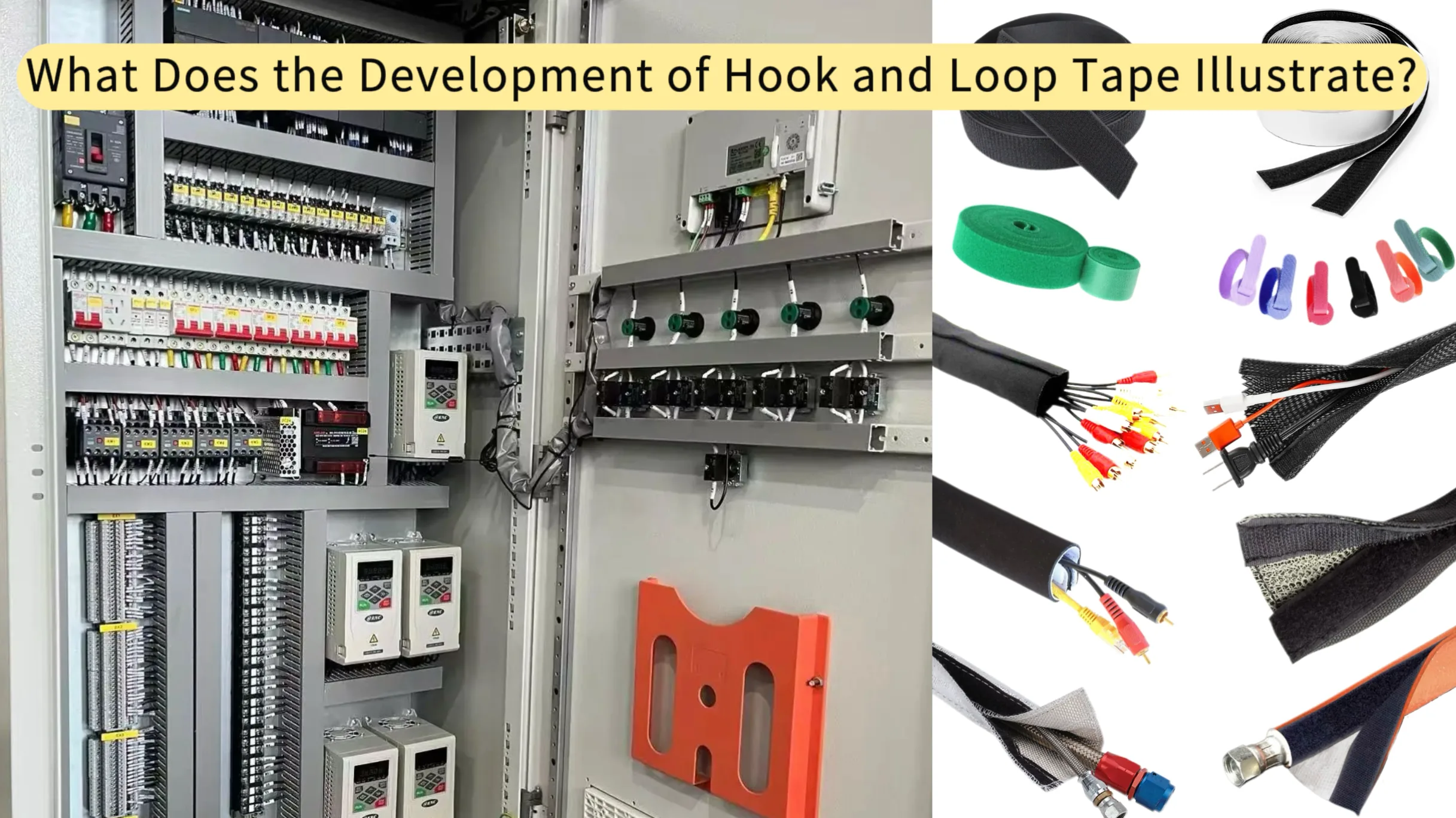
What Does the Development of Hook and Loop Tape Illustrate?
[pac_divi_table_of_contents included_headings="off|on|on|off|off|off" exclude_headings_by_class="on" active_link_highlight="on" level_markers_3="icons" title_container_padding="10px|15px|10px|15px|true|false" title_container_bg_color="#333333" body_area_height="650px"...
0 Comments