
How To Cut Expandable Braided Sleeving Without Fraying

Expandable braided sleeving is a must-have in cable management, widely used in industries where durability, heat resistance, and flame retardancy are essential. Like as automation equipment, motor vehicles, high-speed rail, data optical fiber, etc. However, cutting this material without causing fraying can be challenging. Today let’s walk you through the best practices for cutting expandable braided sleeving and introduce various types available to suit specific needs.

What is Expandable Braided Sleeving
Expandable braided sleeving is commonly used for bundling and protecting cables. It is woven from polyester monofilament. The material is highly durable, providing excellent abrasion resistance, flame resistance, and heat dissipation, making it ideal for applications in computers, automotive, aerospace, and industrial equipment. Its unique design allows it to expand for easy installation over cables and contract for a snug fit.

Types of Expandable Braided Sleeving
Based on the material of the expandable braided sleeving, we can have the following products:
1.PET expandable braided sleeving
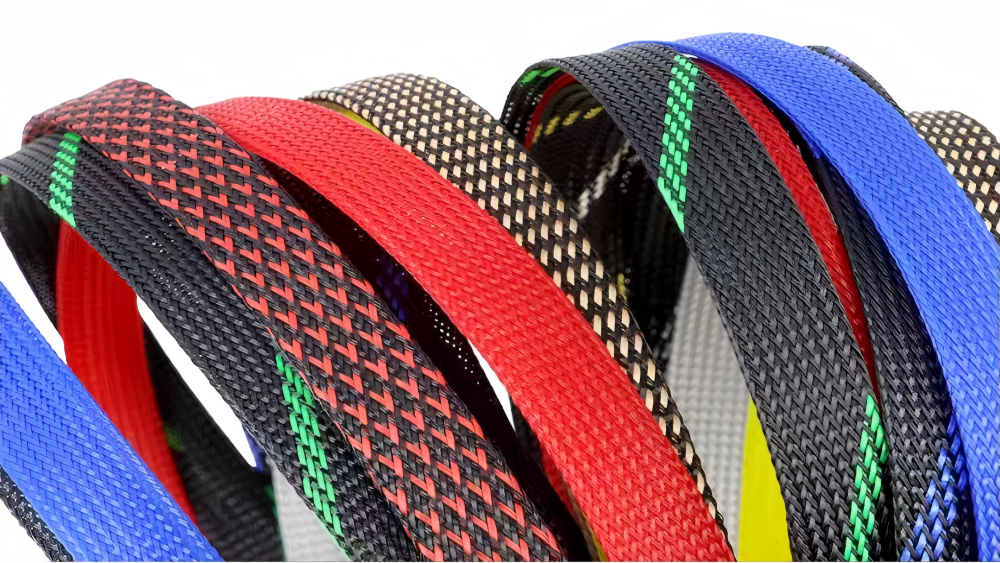
It is woven from PET monofilament, In addition to its own characteristics of wear resistance and good expansion, it is available in a variety of colors. Not even a single colorful, but also multicolor. PET expandable braided sleeving has the highest cost-effectiveness among all expandable braided sleeves.
2.PPS expandable braided sleeving
This kind of cable sleeve is made of Polyphenylene Sulfide (PPS) monofilament UL94 V-0. Compared with PET expandable braided sleeving, better wear resistance, and corrosion resistance.

3. Nylon expandable braided sleeving
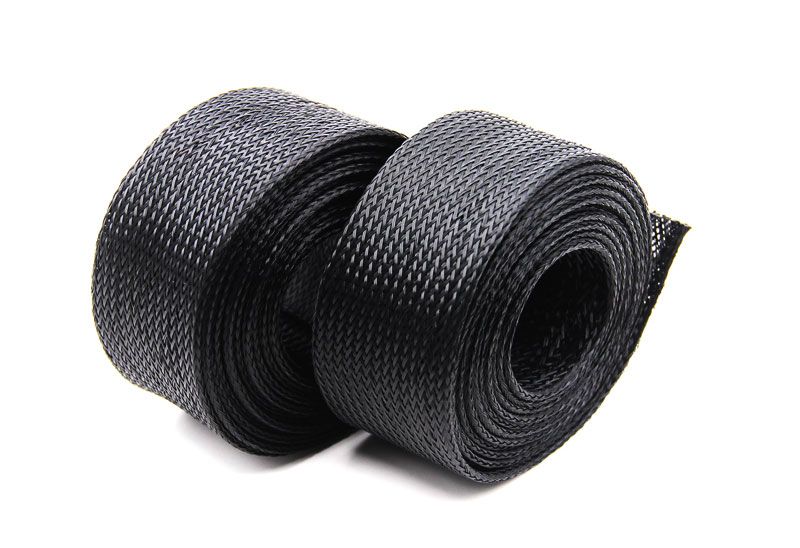
Nylon expandable braided sleeving is made of nylon (PA) material and offers excellent performance of abrasion resistance.
4. Split braided sleeving
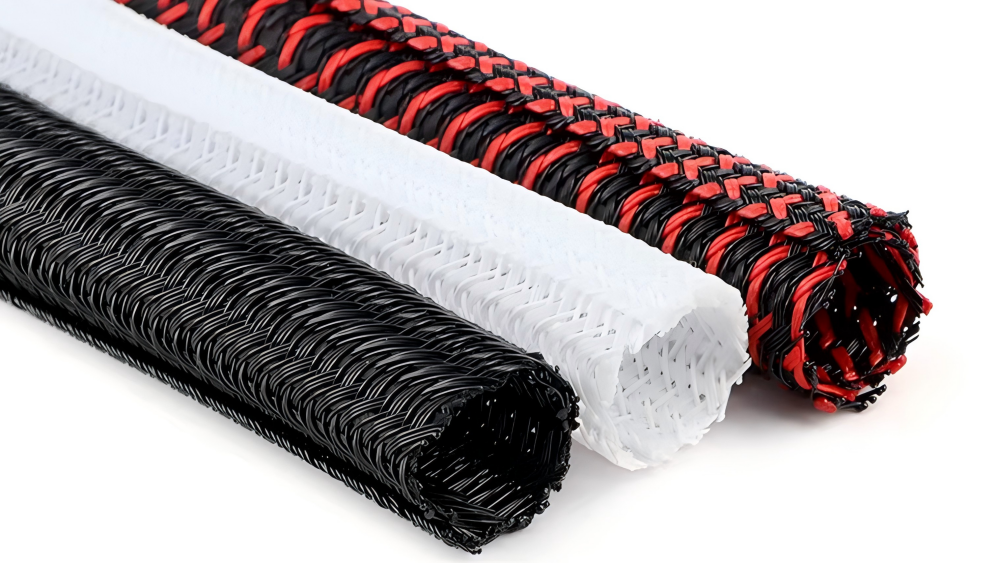
Split braided sleeving is an open design. This kind of cable sleeving is easy to install the cables and easy to maintain. In addition to the conventional black and white, our team also developed colored types.
There are so many good expandable braided sleeve products. Many customers have reported that they can’t cut them well. When they are cut, the braided sleeve tends to be loose. Here we can introduce several cutting tools and the cutting ways
Essential Tools for Cutting Braided Sleeving
For a clean cut that prevents fraying, the following tools are recommended:
1. Handheld hot knife:
This is the preferred tool for cutting expandable braided sleeving , as it simultaneously melts and seals the edges, preventing fraying. This tool is mostly used in hardware stores or small projects.

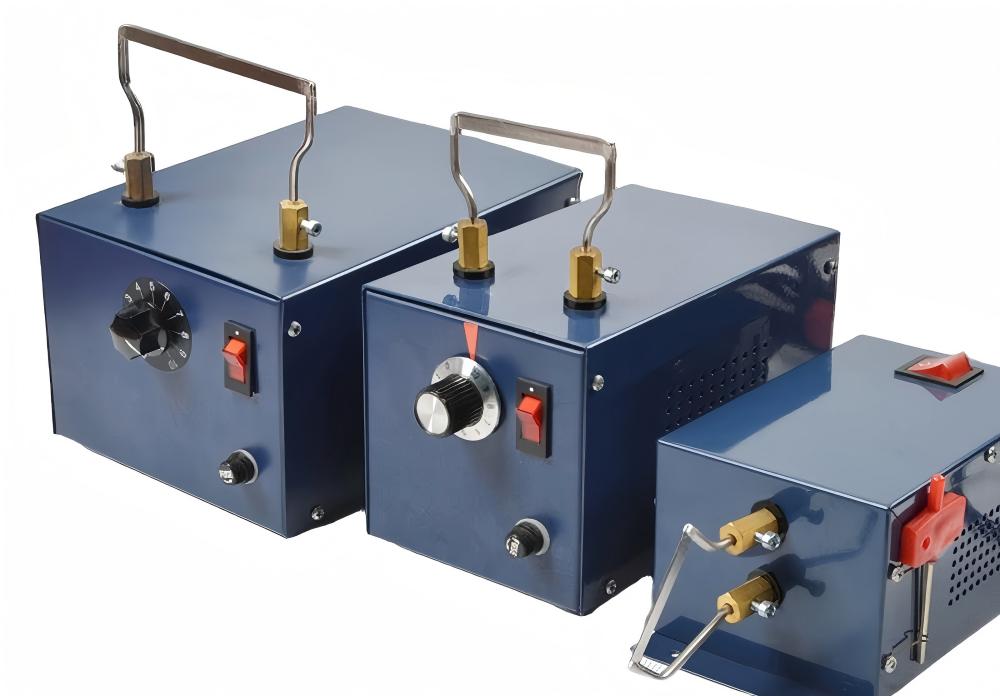
2. Quadrate hot knife:
If the handheld hot knife can’t satisfy your requirements, we also have this desktop hot knife. This model is suitable for small-scale production and can improve efficiency and save time.
3. Automatic cutting machine
This tool is usually used in large-scale production or engineering. It is an automated cutting tool that can automatically collect data as long as the data is adjusted.
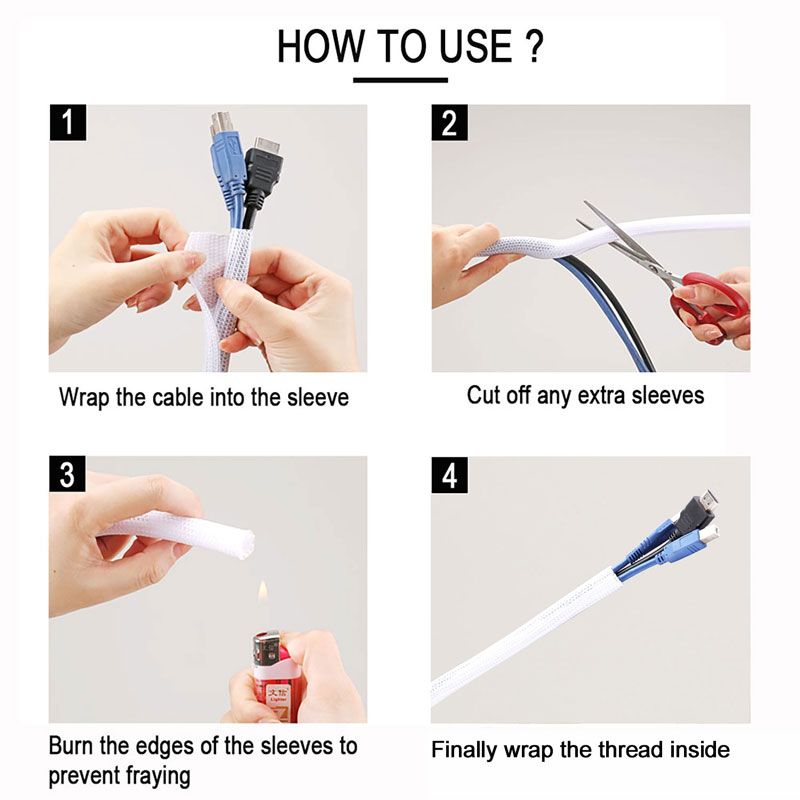
If we only use it at home and don’t have these tools, how can we cut the expandable braided sleeve? All we need is scissors and a lighter.

Step-by-Step Guide for Cutting Braided Sleeving
1. Measure and Mark: First, determine the length of the sleeving required and mark the spot where you’ll cut.
2. Cut with Scissors: Use scissors to cut where your mark is, then use a lighter to burn it on the cut.
3. Inspect: Check the edges to ensure they’re clean and fray-free.
Conclusion
Cutting expandable braided sleeving without fraying is achievable with the right tools and techniques. A clean, fray-free cut not only extends the life of the sleeve but also maintains its professional appearance. Correct use of expandable braided sleeving can not only extend the service life of wires but also make your living or office environment more beautiful and tidy.
Hey there, I’m Tracy!

Get A Quote


Related Post You May Also Like
Spiral Wrap Sizing: 9 Mistakes That Ruin Cable Bundles
[pac_divi_table_of_contents included_headings="off|on|on|off|off|off" exclude_headings_by_class="on" active_link_highlight="on" level_markers_3="icons" title_container_padding="10px|15px|10px|15px|true|false" title_container_bg_color="#333333" body_area_height="650px"...
The Hidden Hero of Electrical Safety: Why Insulation Sleeves Are Often Overlooked
[pac_divi_table_of_contents included_headings="off|on|on|off|off|off" exclude_headings_by_class="on" active_link_highlight="on" level_markers_3="icons" title_container_padding="10px|15px|10px|15px|true|false" title_container_bg_color="#333333" body_area_height="650px"...

Best Cable Sleeves for Home Office Cable Management
[pac_divi_table_of_contents included_headings="off|on|on|off|off|off" exclude_headings_by_class="on" active_link_highlight="on" level_markers_3="icons" title_container_padding="10px|15px|10px|15px|true|false" title_container_bg_color="#333333" body_area_height="650px"...

What Does the Development of Hook and Loop Tape Illustrate?
[pac_divi_table_of_contents included_headings="off|on|on|off|off|off" exclude_headings_by_class="on" active_link_highlight="on" level_markers_3="icons" title_container_padding="10px|15px|10px|15px|true|false" title_container_bg_color="#333333" body_area_height="650px"...
Nice share!