
How to Choose the Right Size for a Braided Sleeve?
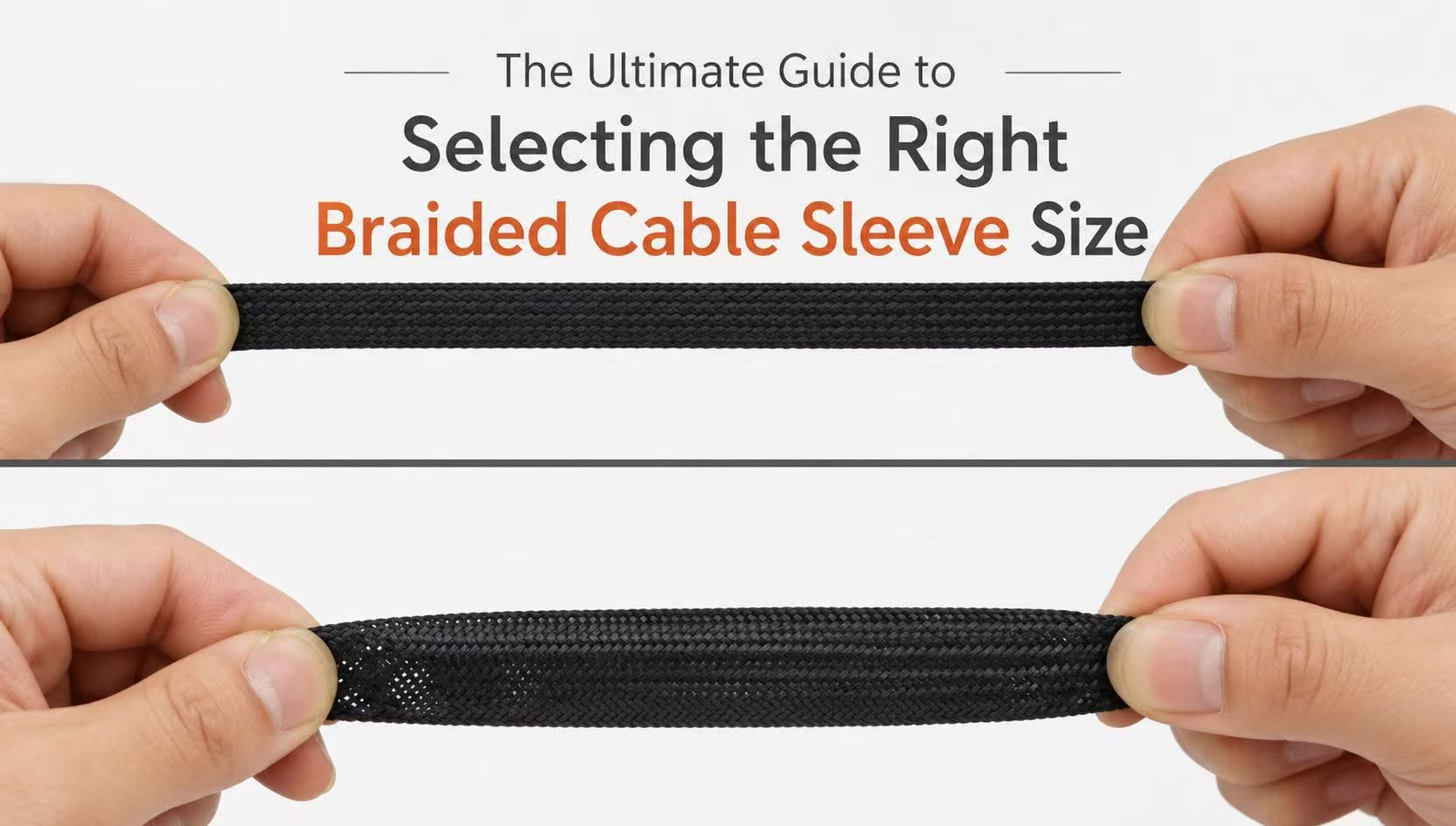
What is a Braided Cable Sleeve?
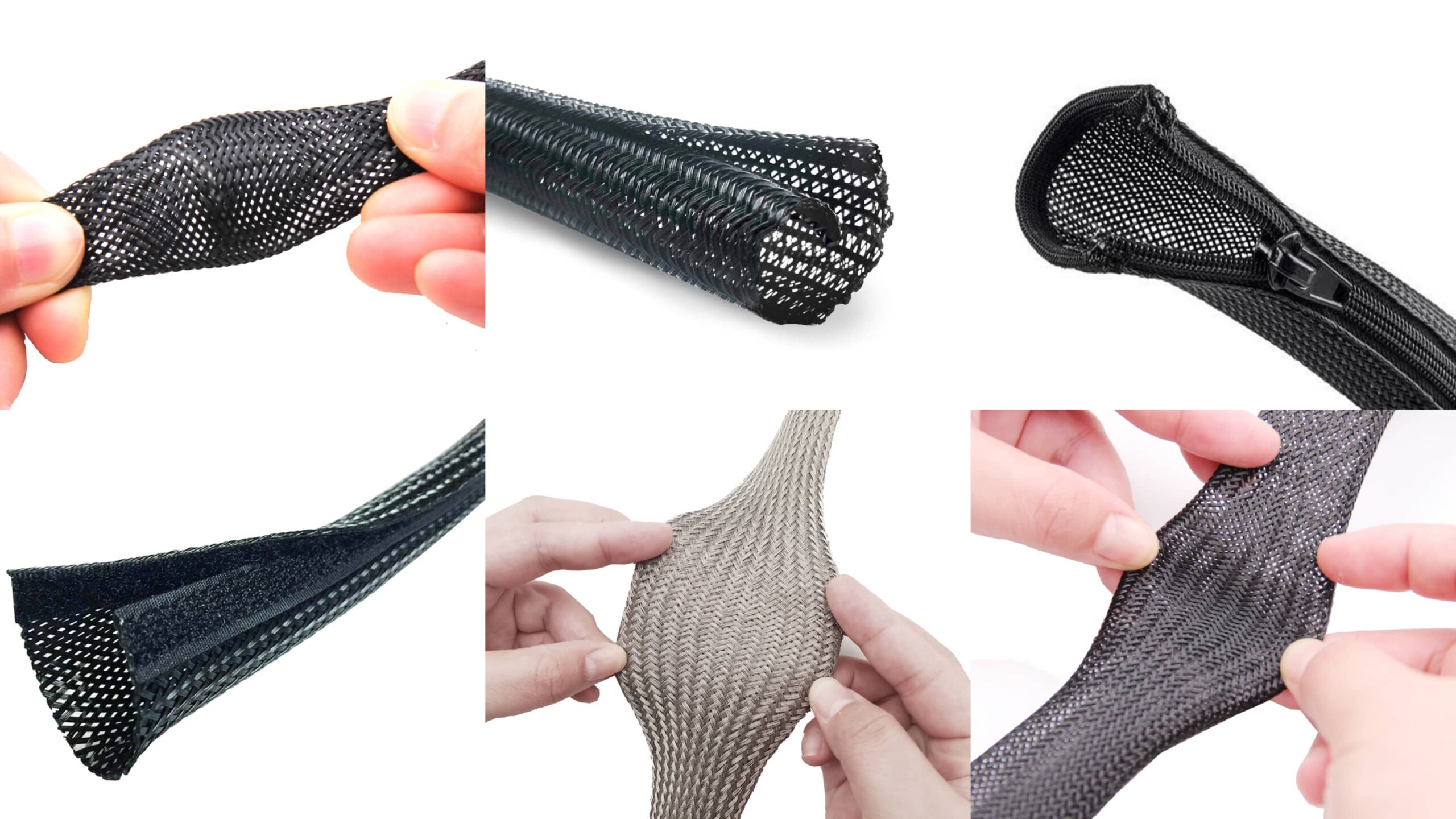
As an optimal solution for cable management and protection, it tidies up messy wiring and improves overall appearance.
For DIY enthusiasts, professional engineers and daily household & office cable arrangement, selecting the correct size is the primary step for proper application. This guide will teach you how to choose a well-fitted braided cable sleeve.
How to Select the Right Sleeve and Size
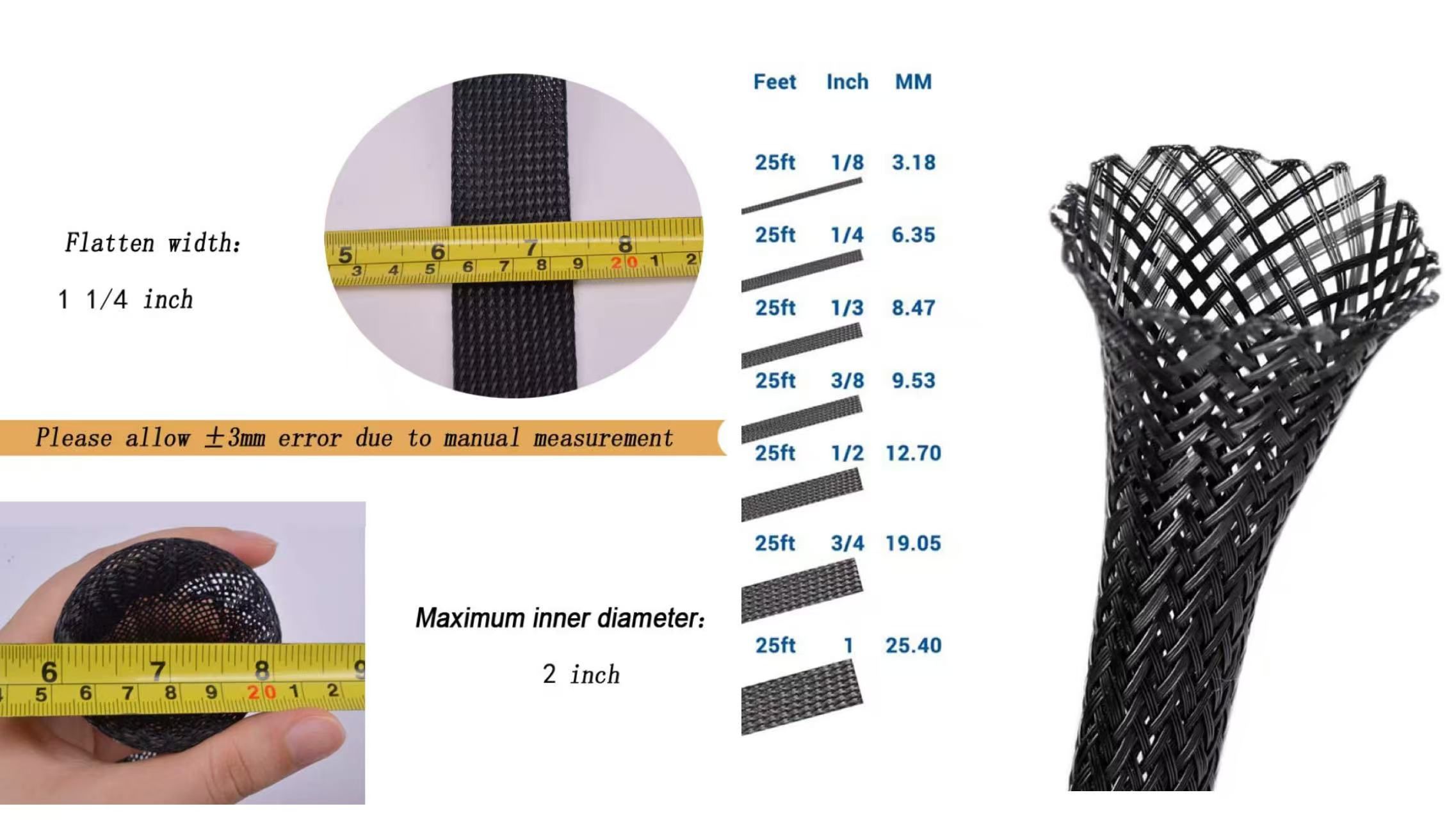
(1) Measure Diameter
1.Single cable: Measure the diameter of the cable using a caliper or a ruler.
2.Cables with multiple conductors: Bind cables in actual usage status, wrap a soft measuring tape around the thickest part of the cables, then calculate the equivalent diameter by perimeter.
3.Irregular cables: For irregular cables, measure both the longest and shortest outer diameters of the cross-section, and use the larger of the two as the reference diameter for that wire.
(2) Consider Stretchability
Braided cable sleeves feature lateral stretchability to adapt to different cable diameters. For PET expandable sleeveing, the expansion ratio can reach 1.5 times of the original static size. Always check the minimum and maximum diameter provided by the manufacturer to ensure a snug fit.
(3) Matching Solutions for Connectors
If cables are equipped with connectors or plugs, prioritize the stretch capacity of the briaded sleeve to ensure smooth covering without damage caused by overstretching.
1.Small connectors: Choose standard integral braided sleeves, ensure the natural inner diameter is larger than the connector size.
2.Medium connectors: Adopt expandable sleeves and refer to the maximum expansion diameter for selection.
3.Large & fixed connectors: Hook and loop or zipper open-type sleeves are recommended for easy installation.
Multi-connector cables: First, you can install it in sections, using cable sleeves of different sizes. Secondly, if you encounter a complex circuit with many branches, you can plan the direction of the circuit in advance, clearly marking the length of each section of wires needed, and then protect each section separately. Proceeding step by step will be more reliable.
(4) Environmental Adaptability
Besides size matching, evaluate working conditions and key performance indicators: operating temperature range, chemical resistance (oil resistance, solvent resistance) and mechanical properties (tensile strength, wear resistance). Select appropriate materials and structures based on actual demands.
1.Expandable type
Selection depends on actual working conditions.
PET expandable sleeving suitable for organizing items in daily life, with high cost-effectiveness. PPS expandable sleeving works well in high-temperature, oily and corrosive environments. Nylon expandable sleeving is ideal for machinery with strength and durability. Nylon flat filament braided sleeving heavy-load and high-friction harsh scenarios. Copper foil shielding sleeving is adopted for electromagnetic shielding and anti-interference needs.
2.Split cable sleeve
The Split cable sleeve is specifically designed for already laid-out finished cables. It is very easy to install. Depending on the usage scenario, you can choose as follows:
PET split braided sleeving are suitable for narrow space and subsequent maintenance is required. Hook and loop braided sleeving are Suitable for offices and computer rooms. For industrial equipment and other scenarios with high wear resistance and high heat dissipation requirements,
(5) Pre-use Test
Test a small section of the Braided sleeve before final purchase to verify the size fit and installation convenience.
(6)Other Notes
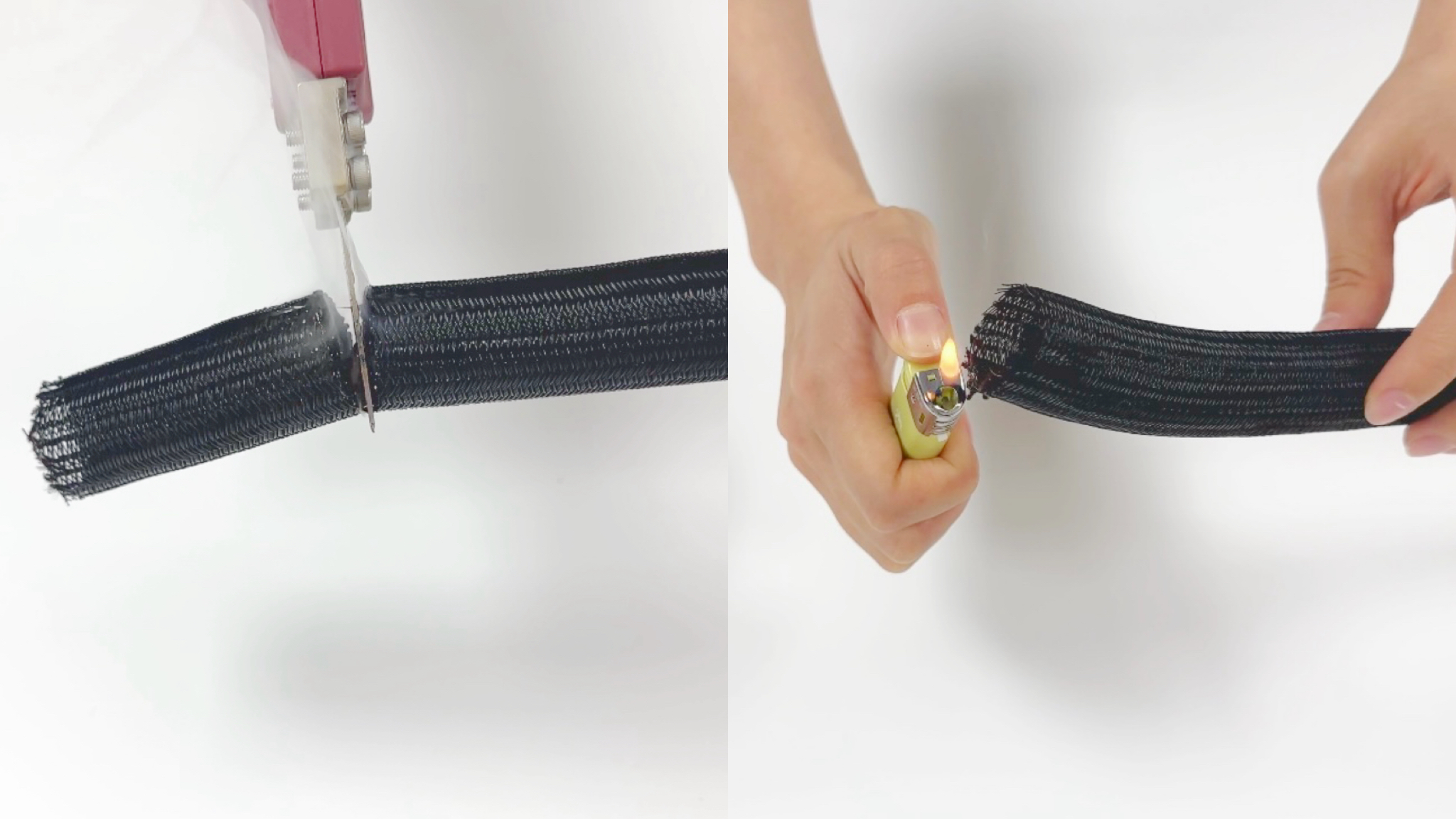
2.Installation Efficiency: For long-distance wiring, use professional installation tools and accessories to simplify operation.
Benefits of Proper Size Selection
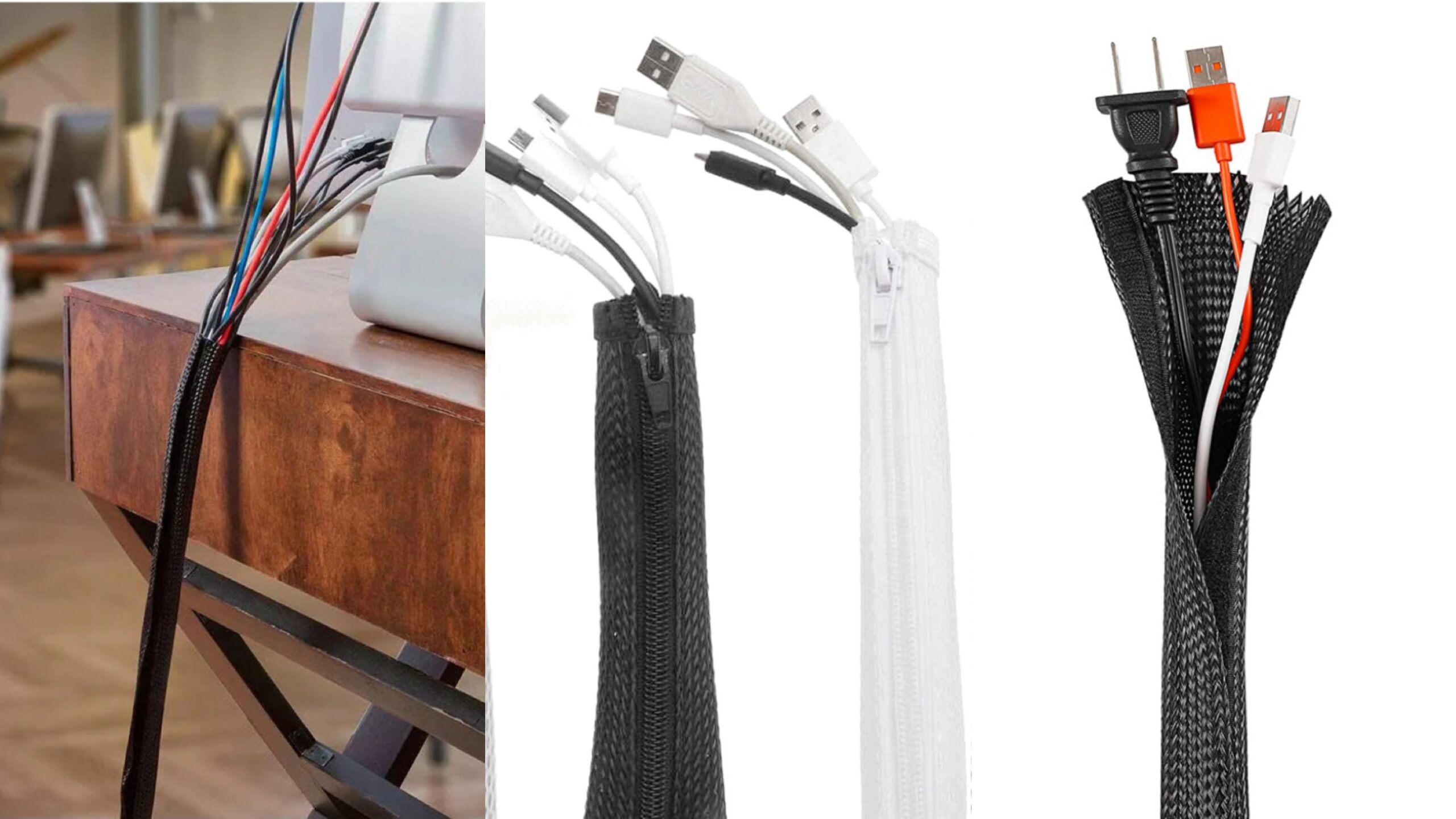
1.Properly selected dimensions and just right tightness of the wrapping can prevent cables from loosening, slipping, being pulled and damaged, and delay aging.
2.The braided sleeve fully encloses the cables, effectively preventing dust, wear, oil stains, and chemical corrosion.
3.It is compatible with various connectors and complex wiring harnesses, easy to install, with neat wiring, and convenient for later maintenance and repair.
4.Properly selected dimensions can also save materials, extend the lifespan of cables and sheaths, and reduce the cost of later replacement.
Conclusion
Choosing the right braided cable sleeve size can accommodate various wire harnesses and connectors, making installation more convenient. It also meets environmental protection requirements, improves the efficiency of wire harness management, and adapts to multiple usage scenarios, ensuring long-term stability and durability of the cables.
FAQ
Q1: Is it better to have a larger braided cable sleeve or just the right size?
There should be some space left, but not too much waste. The cables should be able to pass through the conduit loosely, without being too full.
Q2: What are the implications of choosing the wrong size braided cable sleeve?
A braided cable sleeve that is too large can easily become loose and slip off, leading to loss of protection; a sleeve that is too small can tighten and squeeze the cable, causing wear and tear, and accelerating aging.
Q3: Does split braided sleeve still need precise sizing?
Yes, even if it can expand and contract, precise sizing is necessary for proper fit and coverage, ensuring both protective effectiveness and aesthetic appeal.
Q4: How does choosing the right size of braided cable sleeve help with cable maintenance later on?
When the braided cable sleeve size fits perfectly, the wiring stays tidy and well-organized. It makes disassembly, installation and fault checking much simpler, and cuts down time and labor for daily upkeep.
Q5: What tool is used to measure the size of the cable?
The flexible rulers, calipers, and straight rulers commonly used in daily life can all be used.
Hey there, I’m Tracy!

Get A Quote


Related Post You May Also Like
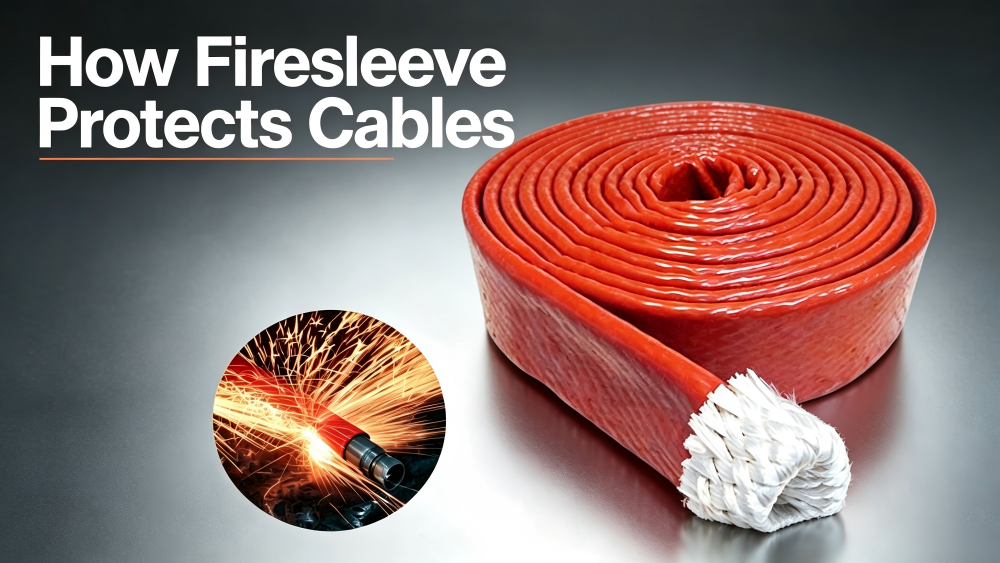
How Fire Sleeve Protects Cables
[pac_divi_table_of_contents included_headings="off|on|on|off|off|off" exclude_headings_by_class="on" active_link_highlight="on" level_markers_3="icons" title_container_padding="10px|15px|10px|15px|true|false" title_container_bg_color="#333333" body_area_height="650px"...
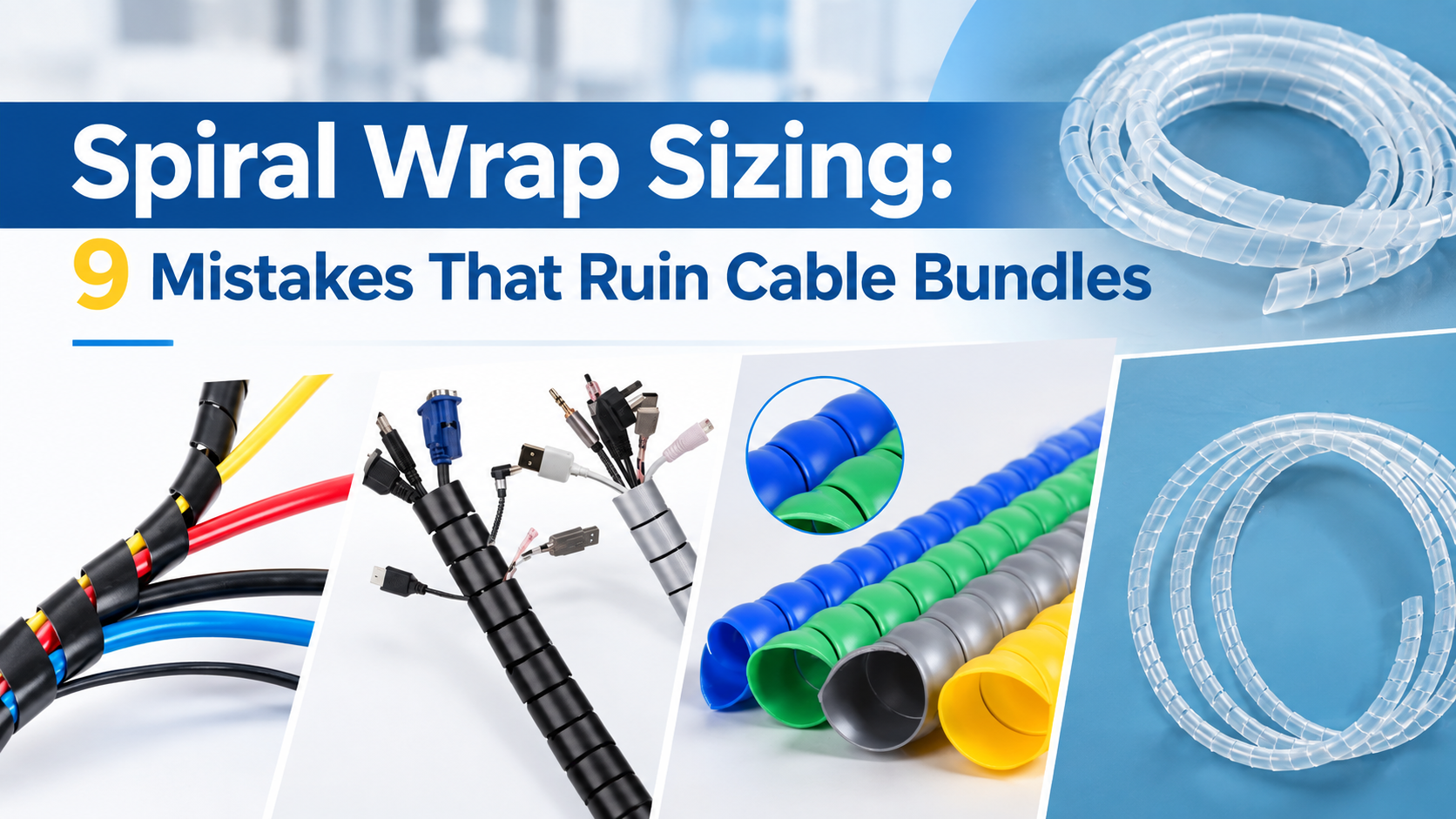
Spiral Wrap Sizing: 9 Mistakes That Ruin Cable Bundles
[pac_divi_table_of_contents included_headings="off|on|on|off|off|off" exclude_headings_by_class="on" active_link_highlight="on" level_markers_3="icons" title_container_padding="10px|15px|10px|15px|true|false" title_container_bg_color="#333333" body_area_height="650px"...
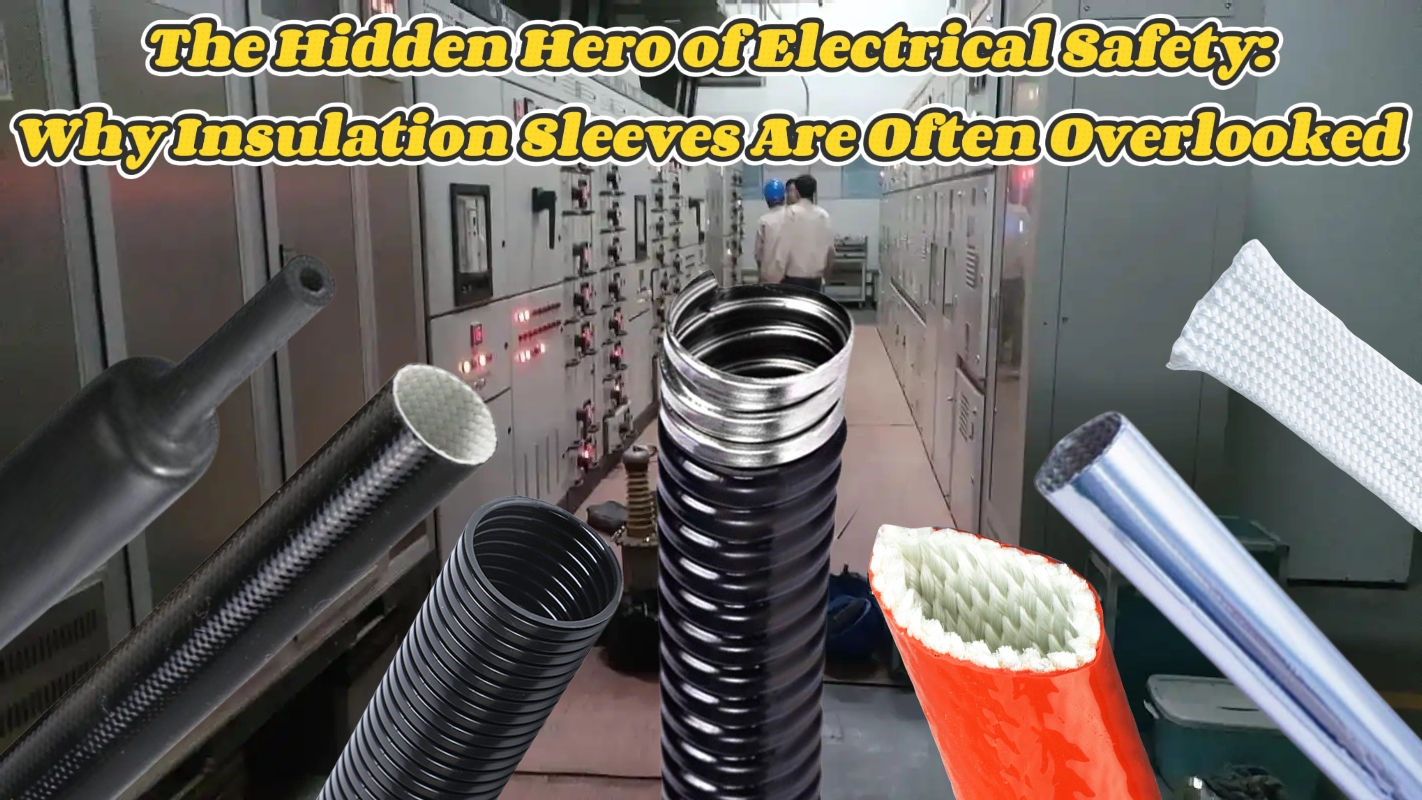
The Hidden Hero of Electrical Safety: Why Insulation Sleeves Are Often Overlooked
[pac_divi_table_of_contents included_headings="off|on|on|off|off|off" exclude_headings_by_class="on" active_link_highlight="on" level_markers_3="icons" title_container_padding="10px|15px|10px|15px|true|false" title_container_bg_color="#333333" body_area_height="650px"...

Best Cable Sleeves for Home Office Cable Management
[pac_divi_table_of_contents included_headings="off|on|on|off|off|off" exclude_headings_by_class="on" active_link_highlight="on" level_markers_3="icons" title_container_padding="10px|15px|10px|15px|true|false" title_container_bg_color="#333333" body_area_height="650px"...
0 Comments