
Rising Oil Prices are Driving Up Cable Sleeve Costs in 2026
In 2026, the increase in cable sleeve prices is inevitable. If you are in charge of factory procurement or engaged in the distribution business of cable sleeve, you should have had a very direct feeling recently: The figures on the quotation sheets have been rising faster than before. Furthermore, the global crude oil market is facing multiple pressures: the supply recovery in major oil-producing regions is slow, global refining capacity is tight, and the frequent occurrence of extreme weather conditions has affected offshore operations, resulting in oil prices remaining at a high level.
Last month it was at this price, and this month it was adjusted again. The explanations from the suppliers all sound similar—the oil price has gone up. But the question is, where did the “cable sleeve costs” increase and how was it driven up by oil prices? Which categories have increased the most significantly? How should factories and distributors respond respectively?
How does the Oil Price Drive up Cable Sleeve Costs?
To figure out why the cable sleeve costs has risen, we first need to understand how they are made.
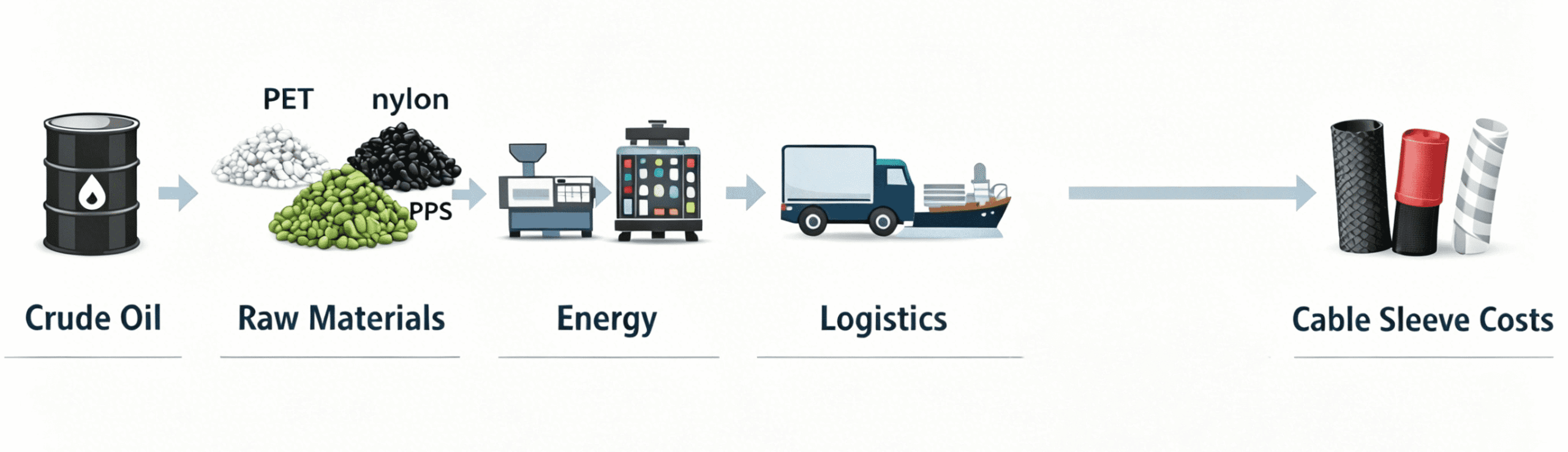
Raw Material:Every Type of Cable Sleeve Starts with Petroleum
The PET, nylon, and PPS used in general cable sleeve, the polyolefin used in heat shrink tubing, the PE, PP and PA used in corrugated flexible conduit, and the fiberglass and silicone used in high-temp cable protective sleeve—all these materials originate from petroleum. When the oil price rises, the prices of the pellets, resins, and fibers produced by upstream petrochemical enterprises also increase. This is the most direct layer of transmission. Therefore, it can be said that the price fluctuations of these materials directly determine the trend of cable sleeve costs.
Energy: The Invisible Driver in the Production Process
The production process of the cable sleeve is not energy-efficient. The extruder needs to heat and melt the plastic pellets, the knitting machine needs to operate at high speed, and the heat shrink tube needs to be heated and shaped in an oven. The electricity and gas costs of the upstream factories increase in tandem with the oil price, and these costs will eventually be included in the factory price. For every one cent increase in energy costs, cable sleeve costs will also increase by one cent.
Logistics: The particular challenge of lightweight but large volume items
The characteristic of the cable sleeve is that it is light but has a large volume. A box of split PET braided sleeve is not very heavy, but it takes up a lot of space. With the increase in fuel surcharges for sea and land transportation, products of cable sleeve that are charged by volume are affected more significantly. Whether it is for factory purchase or distributor shipment, this bill cannot be avoided.
Which Types of Cable Sleeve are the Most Affected?
Different types of cable sleeve have different raw material proportions and production processes, and the degree of their impact by oil prices also varies.
Braided Sleeving
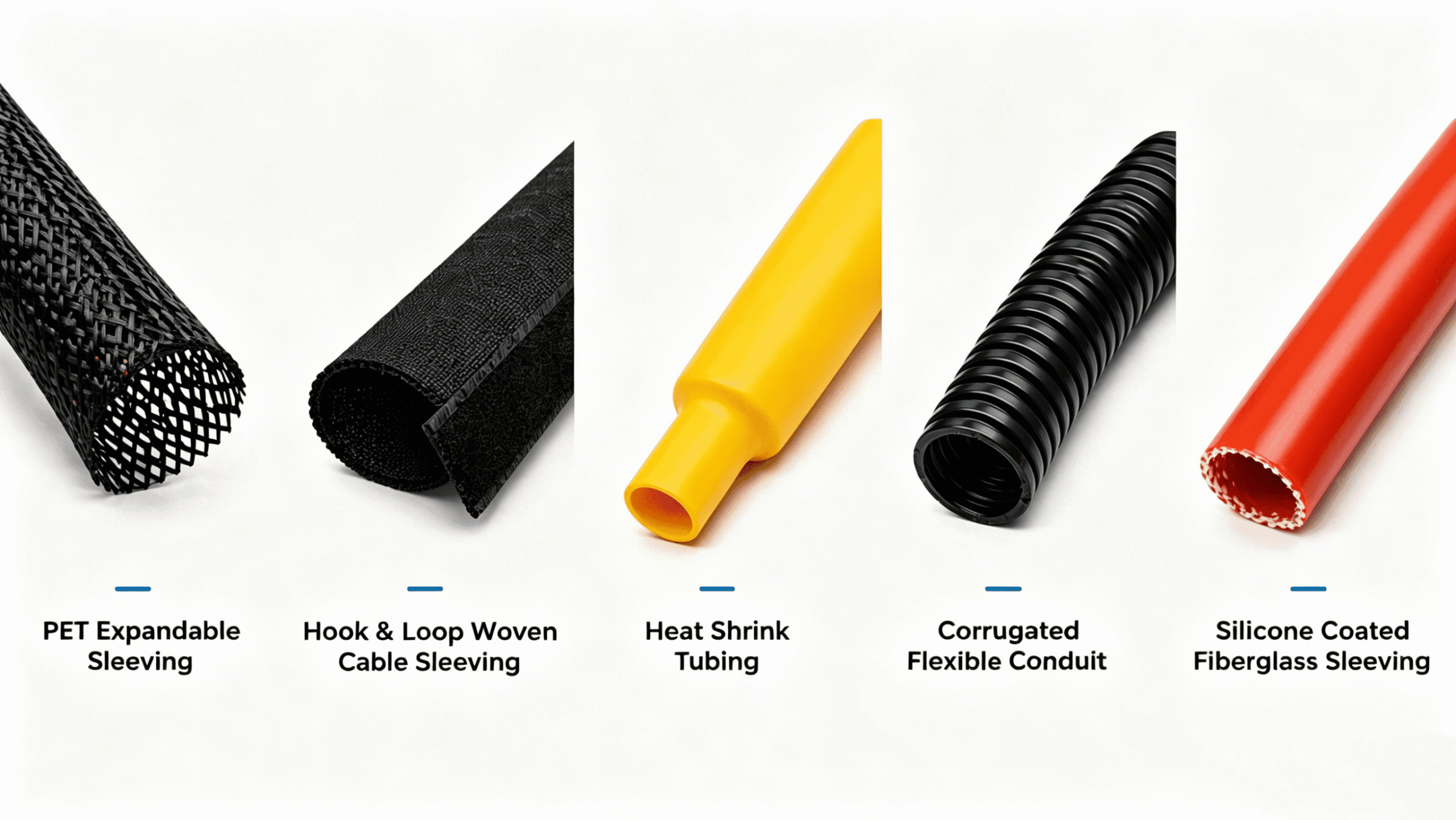
This is the most widely used category. The material cost accounts for a high proportion and it is most sensitive to oil prices. This type of product has the greatest overall impact on cable sleeve costs. Whether it’s for automotive wiring harnesses, industrial equipment, or home appliance wiring, as long as the raw material is polyester, nylon, or polyphenylene sulfide for cable sleeve, the quotations from upstream factories have all been increasing this year.
Cable Wrap
This type of product are so popular int the market, as their common feature is that the open design is conducive to modifying, reinstalling, maintaining and repairing the internal wiring. Self-closing and zipper type sleeves require processing and forming operations that involve labor costs. Hook and loop sleeves involve multiple processes such as weaving and bonding. Materials, accessories and labor costs are all increasing, and under the pressure of multiple factors, the price adjustments of upstream factories are also quite obvious. So this cost increase cannot be avoided either.
Heat Shrink Tubing
The production of heat shrink tubing requires high energy consumption. From extrusion to irradiation cross-linking and then to expansion and shaping, each step requires electricity and heat. The increase in energy costs has a more significant impact on heat shrink tubing compared to other categories.
Corrugated Flexible Conduit
The main raw materials for corrugated flexible conduit are PE, PP, and PA. The prices of these three materials fluctuate significantly with the oil price. Meanwhile, this product is a typical over-packaged item. Its volume and weight are much greater than its actual weight. Therefore, the cost pressure caused by the increase in raw material prices will be more direct and significant.
High-Temp Cable Protective Sleeve
The base material of the high-temp cable protective sleeve is glass fiber or silicone. Although they have good heat resistance properties, the raw materials still rely on petrochemicals. The resins and additives used in coating and impregnation processes also face upward pressure from the upstream market.
What impacts do the factories and distributors respectively face?
For the Factory
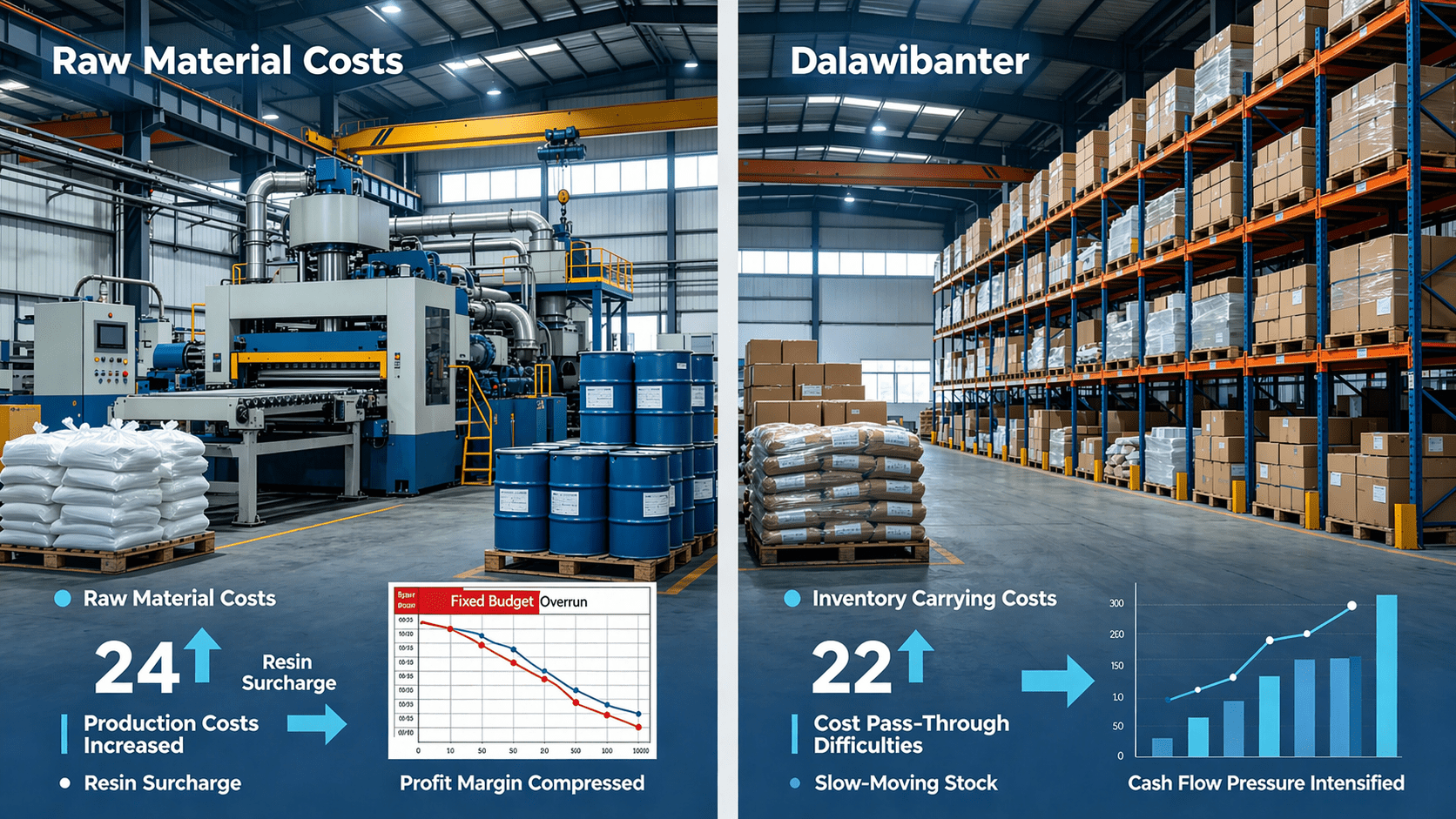
The continuous increase in raw material and resin surcharges has directly pushed up production costs. Projects with fixed budgets may face the risk of overspending, and the profit margins of enterprises have been compressed. Even for long-term supply agreements, upstream suppliers may also demand price adjustments, putting the factories in a passive position regarding prices.
For Distributors
The increase in raw material prices has led to a continuous rise in inventory costs. At the same time, downstream customers are highly sensitive to price hikes, making it difficult to fully pass on the costs to them. Unsold inventory will further exacerbate the pressure on capital occupation and operational risks.
Several Practical Suggestions for Controlling Costs in 2026
Integrate Procurement Categories and Increase Batch Sizes
Reduce the variety of colors, materials and sizes, and use common product categories to cover multiple scenarios. When the batch size is large, the bargaining power with upstream factories will naturally increase.

Sign Quarterly or Semi-annual Lock-in Contracts
Don’t buy month by month. Sign medium- to short-term contracts with suppliers who can provide a full range of pipe products stably, lock in the prices, and avoid passive price hikes month by month.
Full-Range Cable Sleeves, One-stop Procurement
Separately contacting four or five factories will result in high management costs, multiple freight charges, and troublesome communication. Choosing a reliable partner that can cover braided sleeving, cable wrap, heat shrink tubing, corrugated flexible conduit, high-temp cable protective sleeve, etc., will result in lower overall costs.
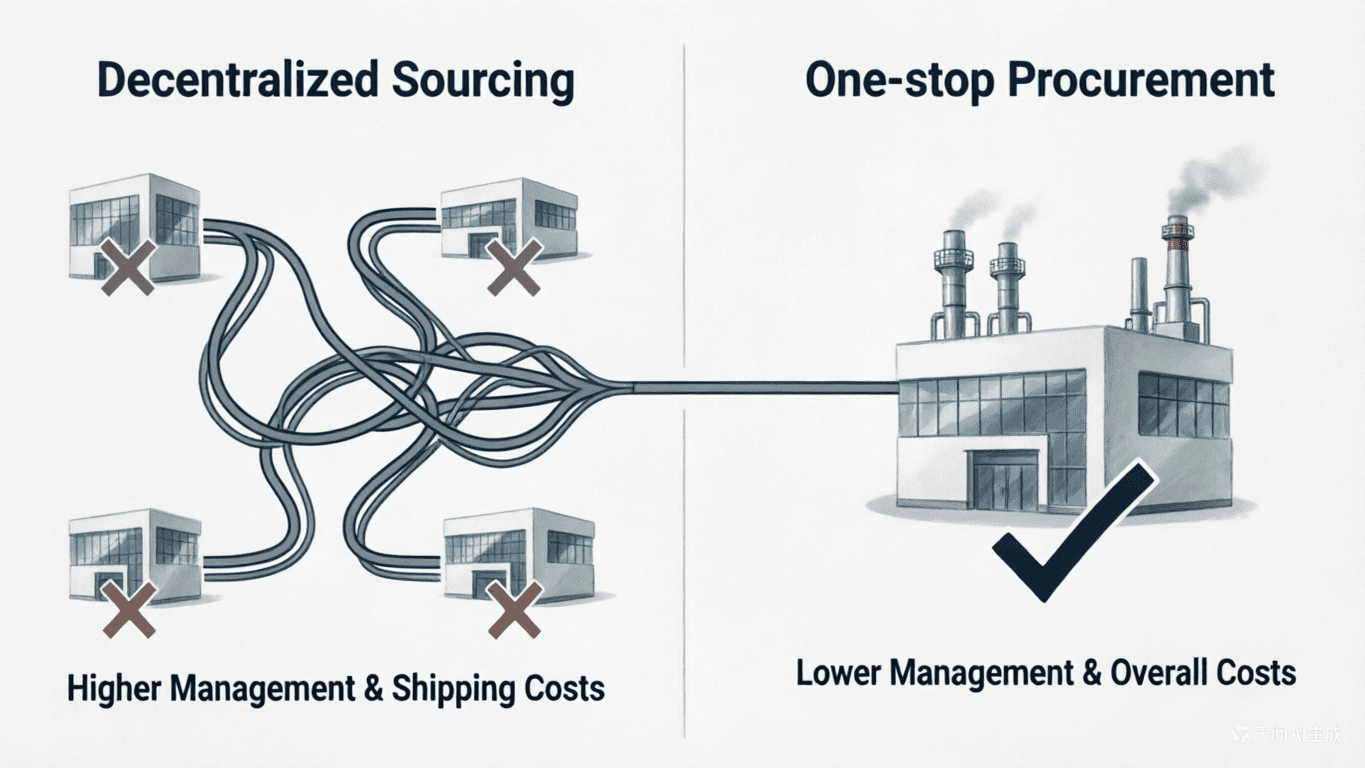
Pre-order in Advance to Avoid Rush Order Surcharges
The rush order surcharges and air freight costs in 2026 will only increase. If the order volume is stable, placing an order 6 to 8 weeks in advance can save a considerable amount of money.
Conclusion
In 2026, the increase in cable sleeve costs is not a short-term fluctuation but a structural trend driven by four factors: crude oil, energy and logistics. For factories and distributors, adjusting procurement strategies, choosing a reliable partner with comprehensive cable sleeves, and locking in prices in advance are the most practical ways to deal with the current situation. In the face of market fluctuations, we focus on stable supply and reliable quality to help you reduce trial-and-error costs.
FAQ
Q1: What are the main reasons for the increase in cable sleeve costs in 2026?
The continuously high oil prices have directly pushed up the prices of petroleum-based raw materials such as PET, nylon, and polyolefins, along with the multiple impacts of energy, logistics, and resin surcharges.
Q2: Should the factory prepare goods in advance now?
If the order volume is stable, it is recommended to prepare goods in advance to lock in the current price and avoid subsequent price hikes.
Q3: Is it really more cost-effective to buy all types of sleeves from one supplier instead of purchasing them separately?
Yes, one-stop purchasing can integrate orders, reduce management costs and shipping fees, resulting in a lower overall cost.
Q4: Do different types of sleeves have the same degree of impact from oil prices?
No, the categories with a higher proportion of raw materials are more affected, such as PET Expandable Sleeving.
Q5: If the oil price drops, will the price of sleeves also drop?
There will be a lag and energy costs have formed a new cost basis. It is unlikely to have a significant drop in the short term.
Hey there, I’m Celia!

Get A Quote
Related Product You May Also Like


Related Post You May Also Like
How Fire Sleeve Protects Cables
[pac_divi_table_of_contents included_headings="off|on|on|off|off|off" exclude_headings_by_class="on" active_link_highlight="on" level_markers_3="icons" title_container_padding="10px|15px|10px|15px|true|false" title_container_bg_color="#333333" body_area_height="650px"...
Spiral Wrap Sizing: 9 Mistakes That Ruin Cable Bundles
[pac_divi_table_of_contents included_headings="off|on|on|off|off|off" exclude_headings_by_class="on" active_link_highlight="on" level_markers_3="icons" title_container_padding="10px|15px|10px|15px|true|false" title_container_bg_color="#333333" body_area_height="650px"...
The Hidden Hero of Electrical Safety: Why Insulation Sleeves Are Often Overlooked
[pac_divi_table_of_contents included_headings="off|on|on|off|off|off" exclude_headings_by_class="on" active_link_highlight="on" level_markers_3="icons" title_container_padding="10px|15px|10px|15px|true|false" title_container_bg_color="#333333" body_area_height="650px"...

Best Cable Sleeves for Home Office Cable Management
[pac_divi_table_of_contents included_headings="off|on|on|off|off|off" exclude_headings_by_class="on" active_link_highlight="on" level_markers_3="icons" title_container_padding="10px|15px|10px|15px|true|false" title_container_bg_color="#333333" body_area_height="650px"...
0 Comments