
Cable Sleeving for High Heat Applications

In modern electrical systems, heat is often the invisible enemy. Cables positioned near engines, battery packs, furnaces, or heavy industrial machines are constantly exposed to high or fluctuating temperatures. Without proper protection, this heat can cause:
•Cracked insulation
•Short circuits or even electrical fires
•Signal interference
•Costly system failures and downtime
This is more than a technical issue—it’s a serious safety and operational concern. That’s why cable sleeving plays a critical role. By using heat-resistant cable sleeving, you create a strong first line of defense that prevents damage, safeguards your equipment, and ensures your operations run reliably and efficiently.
What is Heat-Resistant Cable Sleeving?
Heat-resistant cable sleeving is a protective cover applied to wires, cables, or hoses that may be exposed to high temperatures or harsh environmental conditions. It functions as a thermal barrier, shielding internal conductors from heat, flame, chemicals, and physical wear.
These sleeves come in many styles, including braided type, external coating, self-wrapping, tape, and multilayer constructions—each designed for different installation needs and working environments.
They offer extra benefits like noise dampening, EMI shielding (electromagnetic interference), moisture protection, UV, and ozone resistance.

Common Materials Used and Performance
Different industries require different high-heat sleeve materials. Here’s a closer look at the most commonly used materials in high-heat cable protection:
| Material | Temperature Range | Features & Applications |
| High Silica fiber | Up to 1000℃ | High-heat foundry and welding environments |
| Fiberglass | Up to 500℃ | Standard insulation, used in vehicles, appliances, and machines |
| Aluminum foil fiberglass | –50°C to +550℃ | Reflects radiant heat, used in engine compartments |
| Aramid fiber | –55°C to +240℃ | lame-retardant and abrasion-resistant, for aerospace & EVs |
| Basalt fiber | Up to 700℃ | Eco-friendly, good resistance to vibration and temperature |


How Cable Sleeving Protects in High-Heat Applications
In industries where cables and hoses are exposed to constant heat, abrasion, and vibration, choosing the right high-temperature sleeving is critical to ensuring safety, performance, and durability. From automotive and rail transit to power electronics and industrial machinery, heat-resistant sleeves serve as a first line of defense against thermal and mechanical damage.
However, there is no one type of cable sleeving that fits all applications, so according to the different requirements of various industries, multiple types of high-heat sleeves have been developed.
In the automotive sector
Using Aluminum Foil Fiberglass Sleeving, which reflects radiant heat up to 550 °C, could protect wire harnesses near turbochargers or exhaust pipes and insulate sensor lines in engine bays.
In rail systems
These high-silica fiber sleeves safeguard brake, power, and signal cables, especially in engine compartments and enclosed ducts where heat buildup and fire risk are high.
Power electronics
Such as lithium battery modules and power distribution units, also depend on Fabric heat shrink sleeving to ensure long-term performance under high loads and elevated temperatures.
In aerospace and defense
Aramid Braided Sleeving Offers high abrasion and flame resistance. It protects wiring in satellites, aircraft, and unmanned systems from extreme temperatures, abrasion, and vibration. It ensures the reliability of communication systems, radar equipment, and high-performance vehicles under harsh conditions.
In industrial environments
Silicone-Coated Fiberglass Sleeving is used to shield hydraulic hoses, robot arms, and control panels from radiant heat, molten splatter, or electrical sparks.
If your environment involves constant high temperatures, friction, vibration, or chemical exposure, choosing the right sleeve can dramatically reduce maintenance and extend the life of your wiring systems.

How to Choose the Right Sleeving for Your Project
Not sure where to start? Consider the following questions:
•What is the maximum continuous temperature the cable will face?
•Will the sleeve be exposed to liquids, oils, or chemicals?
•Do you need the sleeve to be removable or permanently fixed?
•Is the space tight, or is the cable already installed?
•Is flame retardant or abrasion resistance more important?
Whatever your high-temperature cable protection challenge, our company, Xiamen QX brings over 20 years of expertise in cable protection and can recommend a tailored sleeving solution that fits your exact requirements.

Conclusion
Choosing the right high-heat sleeves for high-heat applications is critical to ensuring the performance, safety, and longevity of cable systems. When specifying a solution, always consider the operating temperature, exposure type (direct heat, radiant heat, etc.), mechanical wear, and installation constraints.
Ready to protect your cables from heat, friction, and failure?
Get in touch with our technical team today.
Hey there, I’m Tracy!

Get A Quote


Related Post You May Also Like
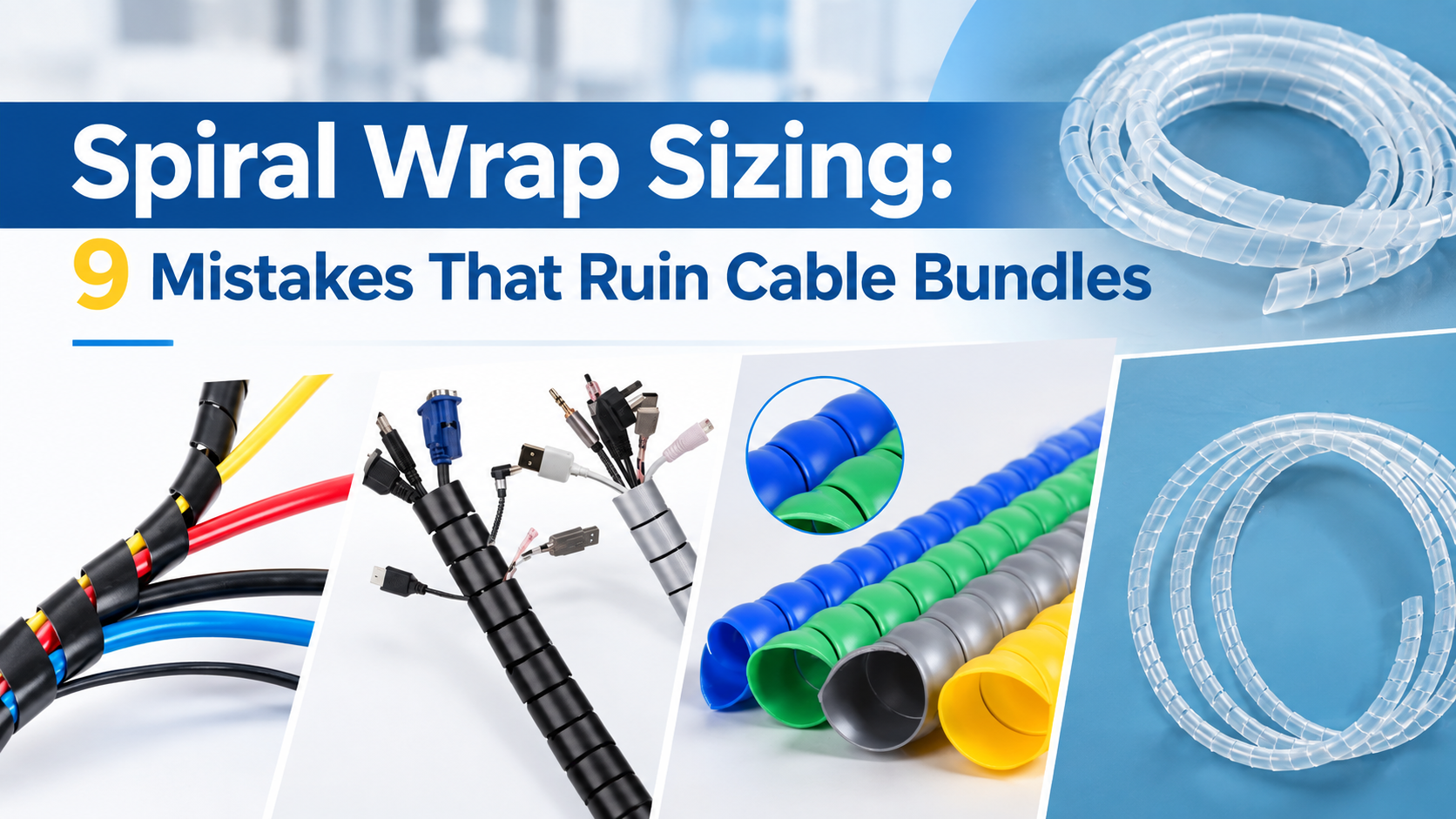
Spiral Wrap Sizing: 9 Mistakes That Ruin Cable Bundles
[pac_divi_table_of_contents included_headings="off|on|on|off|off|off" exclude_headings_by_class="on" active_link_highlight="on" level_markers_3="icons" title_container_padding="10px|15px|10px|15px|true|false" title_container_bg_color="#333333" body_area_height="650px"...
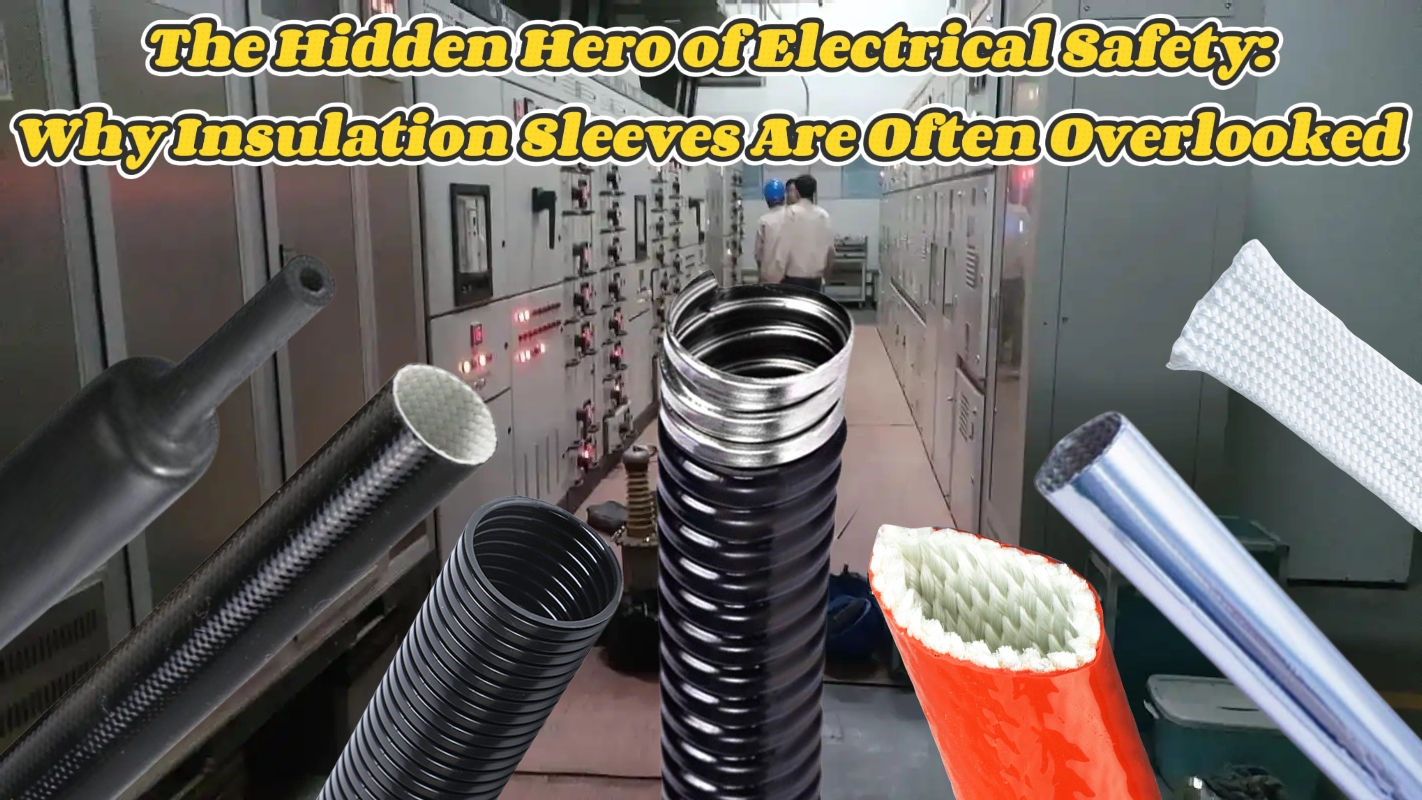
The Hidden Hero of Electrical Safety: Why Insulation Sleeves Are Often Overlooked
[pac_divi_table_of_contents included_headings="off|on|on|off|off|off" exclude_headings_by_class="on" active_link_highlight="on" level_markers_3="icons" title_container_padding="10px|15px|10px|15px|true|false" title_container_bg_color="#333333" body_area_height="650px"...

Best Cable Sleeves for Home Office Cable Management
[pac_divi_table_of_contents included_headings="off|on|on|off|off|off" exclude_headings_by_class="on" active_link_highlight="on" level_markers_3="icons" title_container_padding="10px|15px|10px|15px|true|false" title_container_bg_color="#333333" body_area_height="650px"...
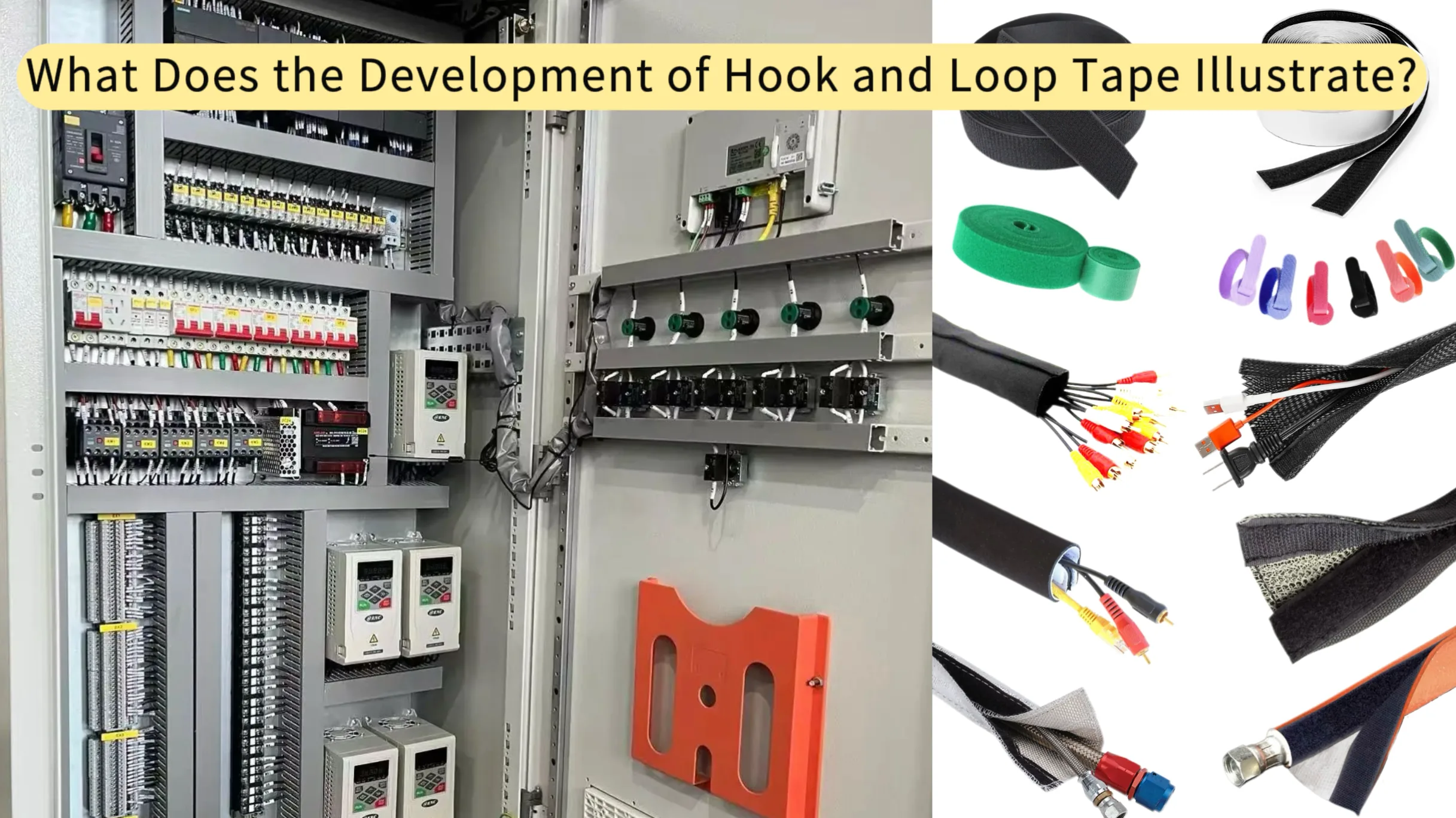
What Does the Development of Hook and Loop Tape Illustrate?
[pac_divi_table_of_contents included_headings="off|on|on|off|off|off" exclude_headings_by_class="on" active_link_highlight="on" level_markers_3="icons" title_container_padding="10px|15px|10px|15px|true|false" title_container_bg_color="#333333" body_area_height="650px"...
0 Comments