
How Data Centers Reduce Cooling Costs Through Better Cable Management
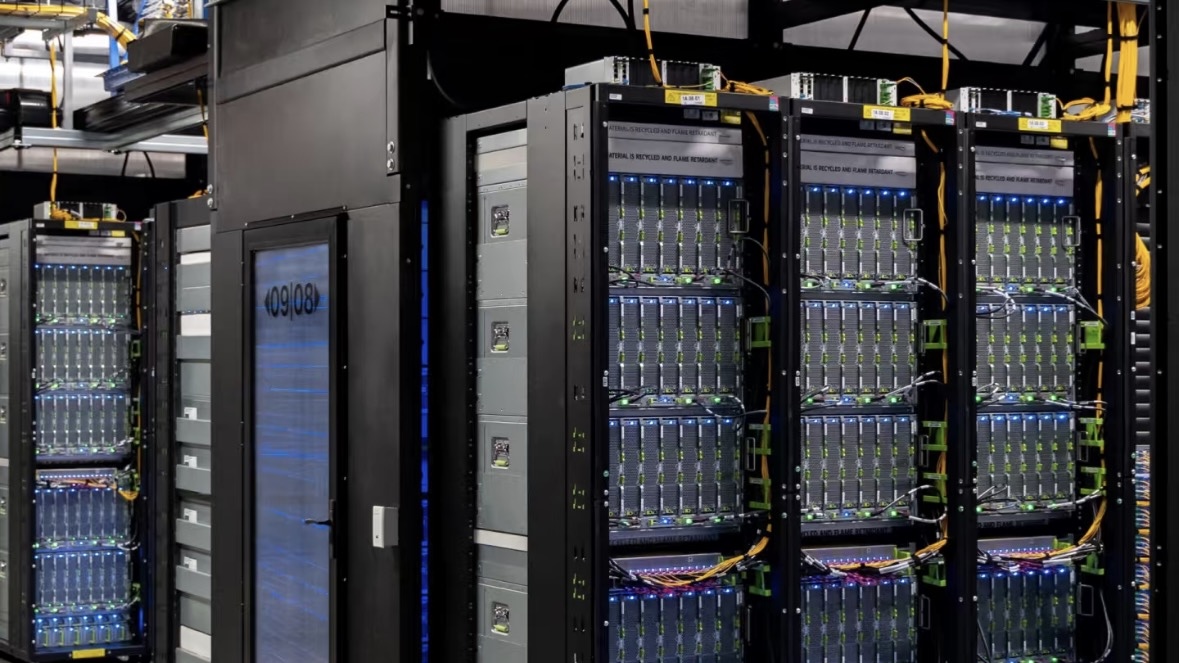
AI and server loads keep rising, so cooling equipment runs 24/7 to maintain stable rack temperatures. Many data centers add hot-cold aisle containment or upgrade ventilation, yet they miss a simple way to improve thermal performance: neat cable routing that allows heat to dissipate. Messy wiring inside racks and under raised floors blocks airflow. When heat gets trapped, less cool air flows to servers and server fans spin faster. The result is wasted power, hot spots and higher cooling costs.
How Unmanaged Cabling Inflates Data Center Cooling Consumption
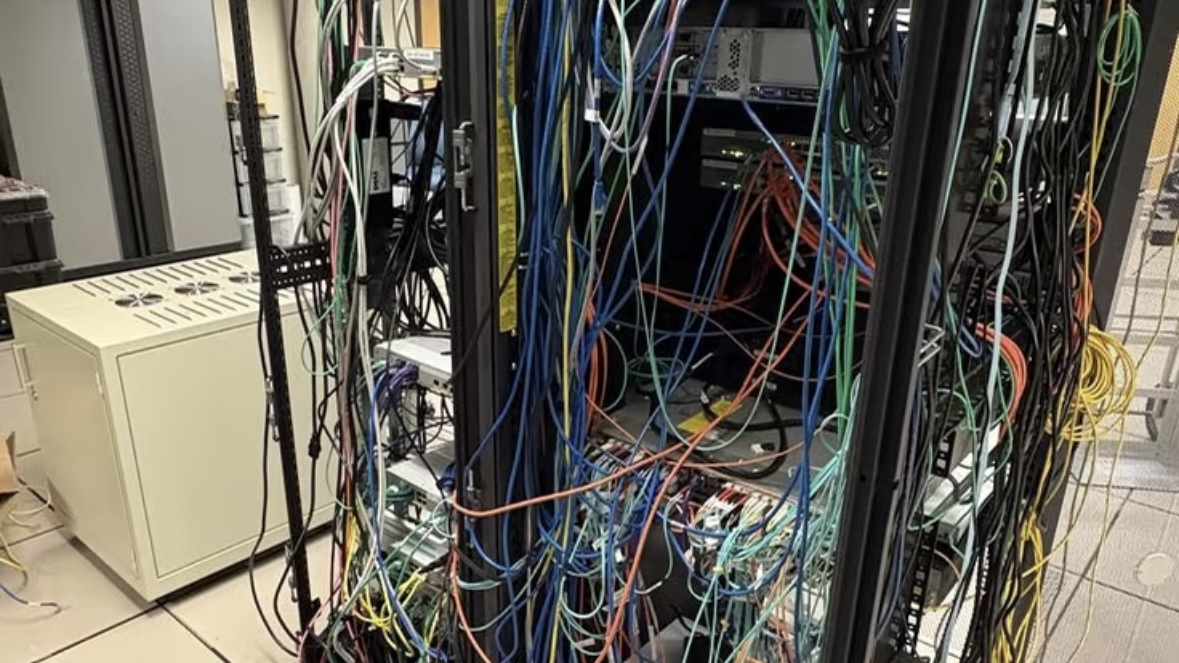
Dense power and data cable bundles naturally generate heat during operation. When you use non-breathable, fully enclosed sleeves, heat builds up inside bundles, speeding up cable aging and worsening the rack thermal environment.
These problems increase power usage effectiveness, speed up hardware wear and raise downtime risks. How you arrange and bundle cables directly determines data center thermal performance and operational reliability.
Heat-First: Choosing the Right Cable Sleeving and Bundling Solutions
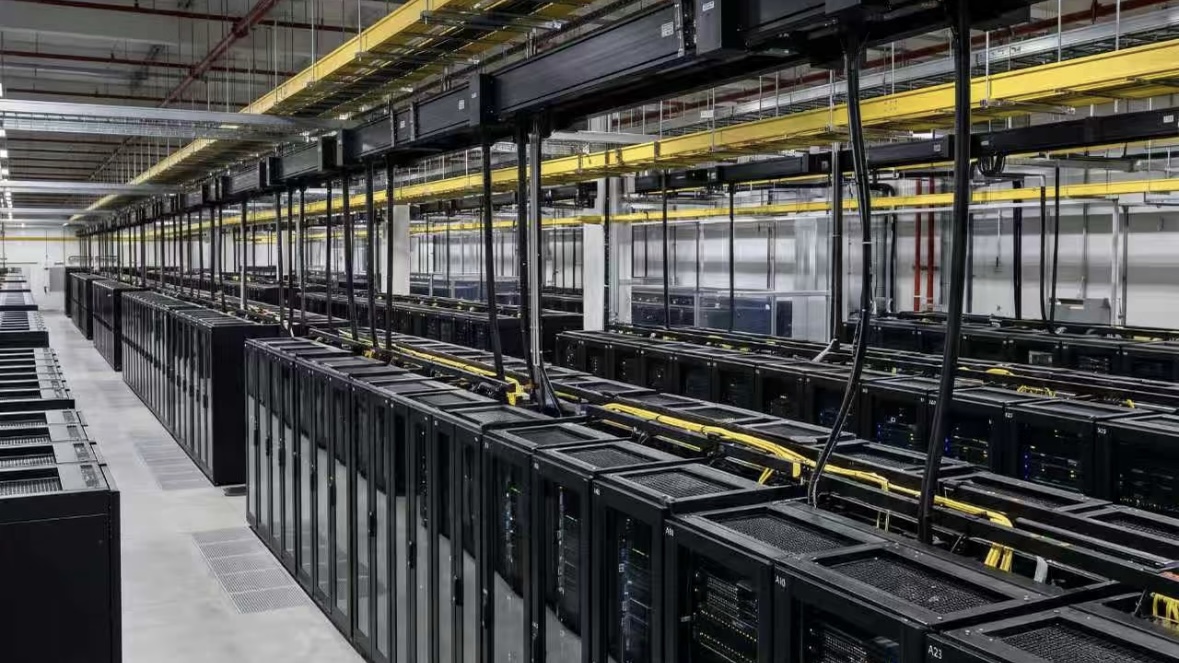
Effective cooling-focused cable management is not about removing cables—it controls cable airflow occupation and operational heat release. To lower cooling loads, use flexible, heat-friendly bundling solutions that deliver tidy routing, stable heat dissipation and low airflow resistance.
Breathable Mesh Braided Sleeving
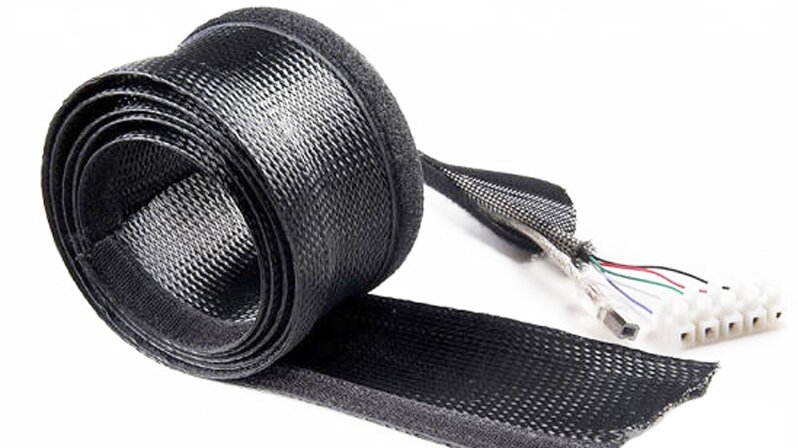
Use split braided sleeving. Its open-woven structure operates from -50°C to 150°C, dissipates heat from cable bundles and avoids heat-trapping risks. It consolidates scattered cables, eliminates internal air dams and maintains smooth rack inlet and exhaust airflow. It can be fitted directly over cables.
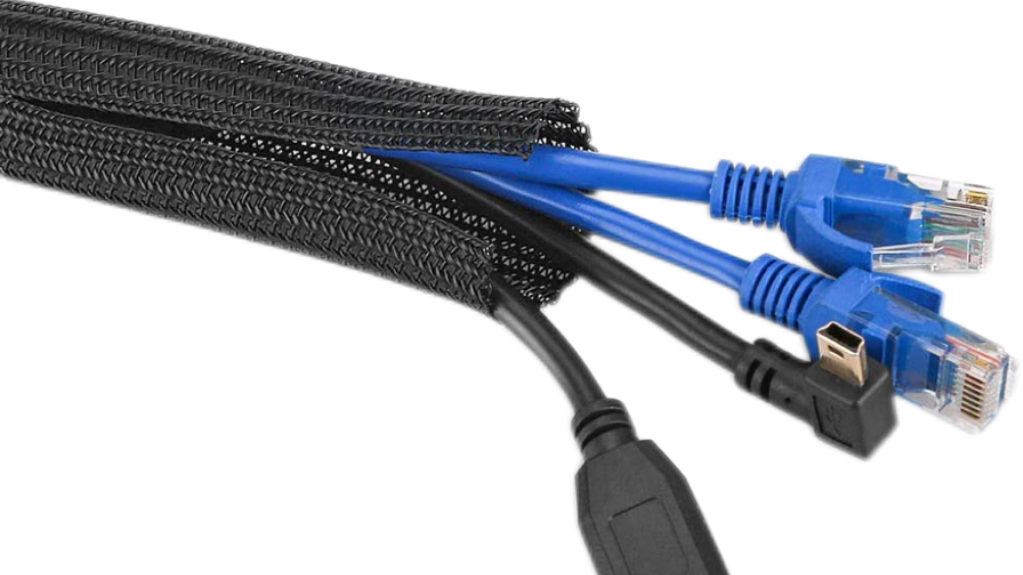
Use split braided sleeving and hook-and-loop cable sleeve for long-run trunk cabling and live-cable retrofits. The openable wrap-around structure lets you reorganize pre-terminated live harnesses without disconnecting active connectors, so upgrades require no full-rack shutdown.
Spiral Cable Wrap Bundling
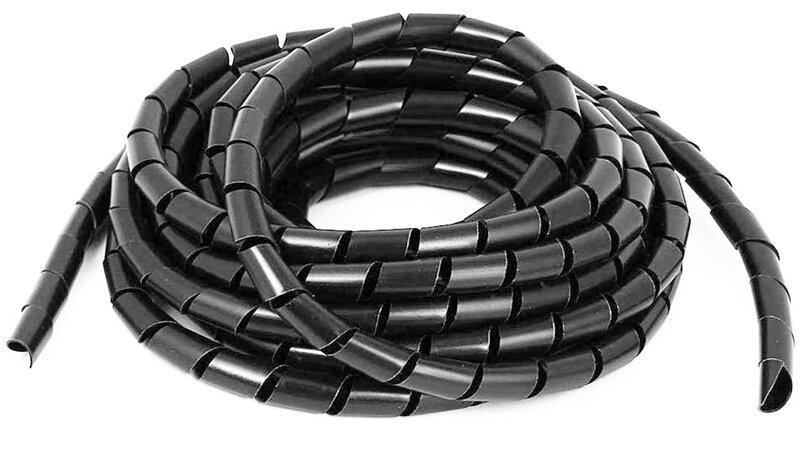
Spiral cable wrap delivers cost-effective bundling for low-density cabling and has a temperature resistance from -40°C to 200°C. Use it for auxiliary wiring and low-vibration routes such as overhead trays. Avoid it for main trunk lines inside high-vibration, high-density server racks, where long-term hardware vibration may shift its position and interfere with airflow.
Reusable Hook-and-Loop Cable Tape
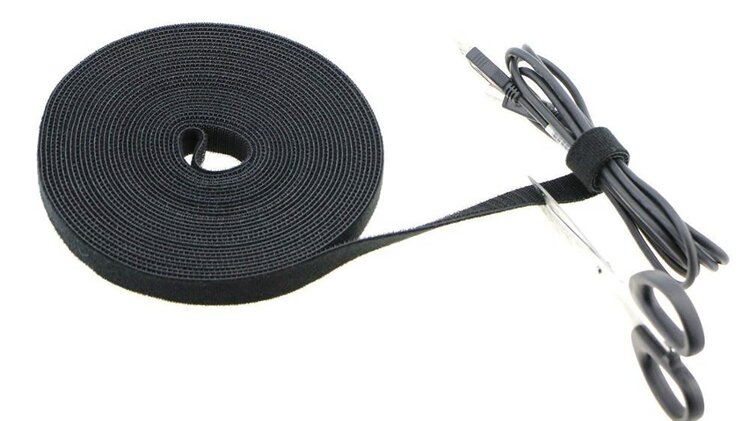
You can use hook-and-loop cable tape for temporary cable grouping, inspection and daily maintenance. Standard tape works reliably at -20°C to 80°C, and its reusable design supports cable classification and marking.
Hook-and-loop cable tape only provides point-to-point securing. It cannot replace continuous, full-length sleeves needed to hold shape for long-distance trunk cabling inside racks.
Real-World Cooling Optimization Results From Improved Cabling
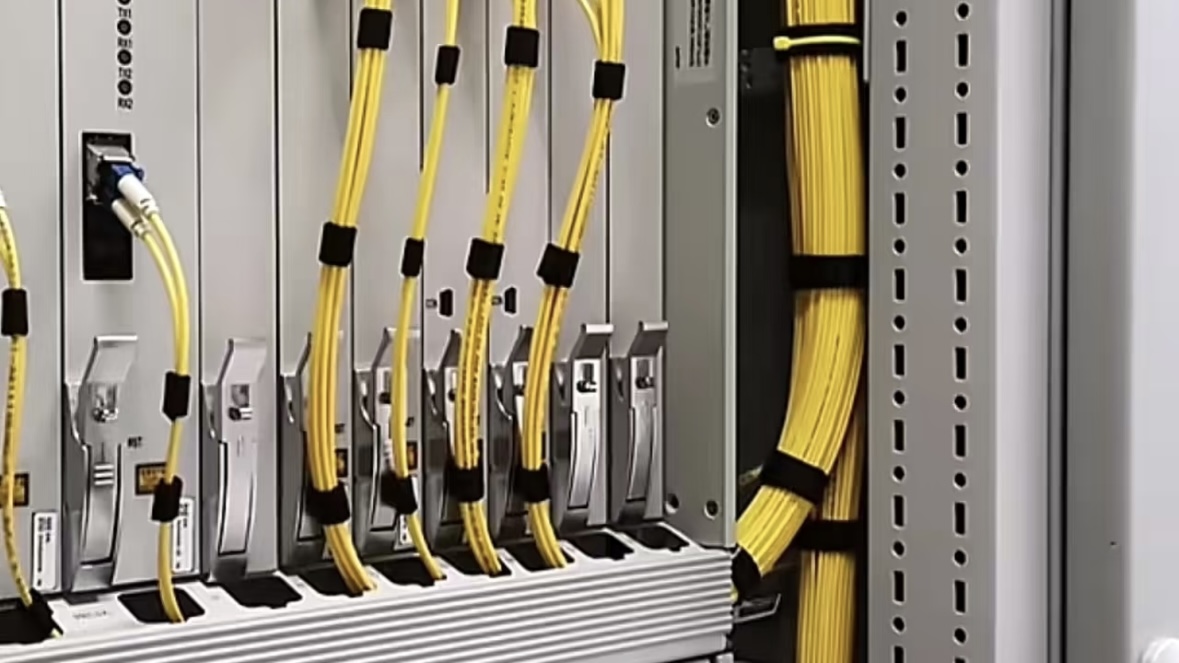
For live, in-production data centers, vertical and horizontal cable managers and raceways are the primary cabling infrastructure. Split braided sleeving, spiral cable wrap and hook-and-loop cable tape work as complementary accessories rather than replacements.
Four Typical Data Center Scenes: Practical Cable Cooling Solutions
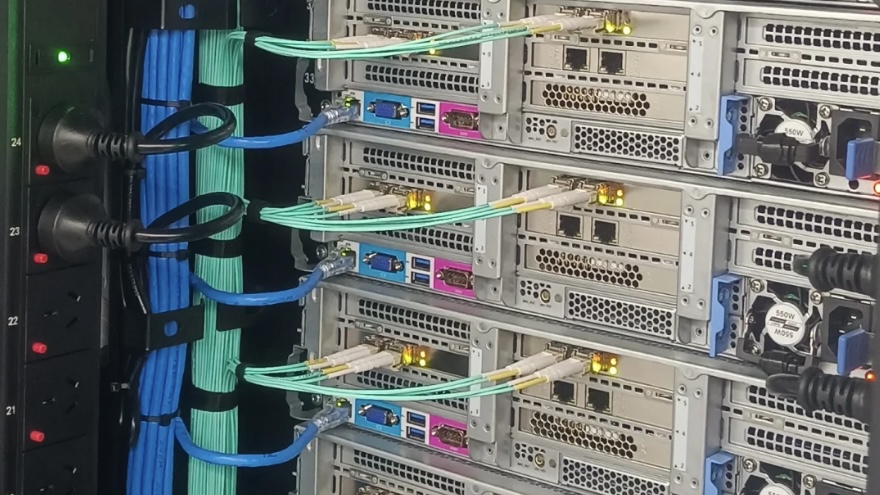
Inside Live-Running Server Cabinets
Problem: In high-density and AI server racks, loose trunk cables, power cords and patch cords block air vents easily. Mixed power and data cables build up extra heat, while leftover old cables take up airflow space.
Solutions: Route cables through cable managers and raceways. Separate power cables from data cables, remove unused old cables and keep bundles away from air vents. Use split sleeves for long vertical trunk harnesses. They fit pre-terminated live cables during retrofits, so there is no need to unplug ports. Do not use spiral cable wrap for cabinet main trunks: hardware vibration can shift it and block airflow. Use velcro straps only for point fixing short patch cords for inspection, not for shaping long trunk cabling.
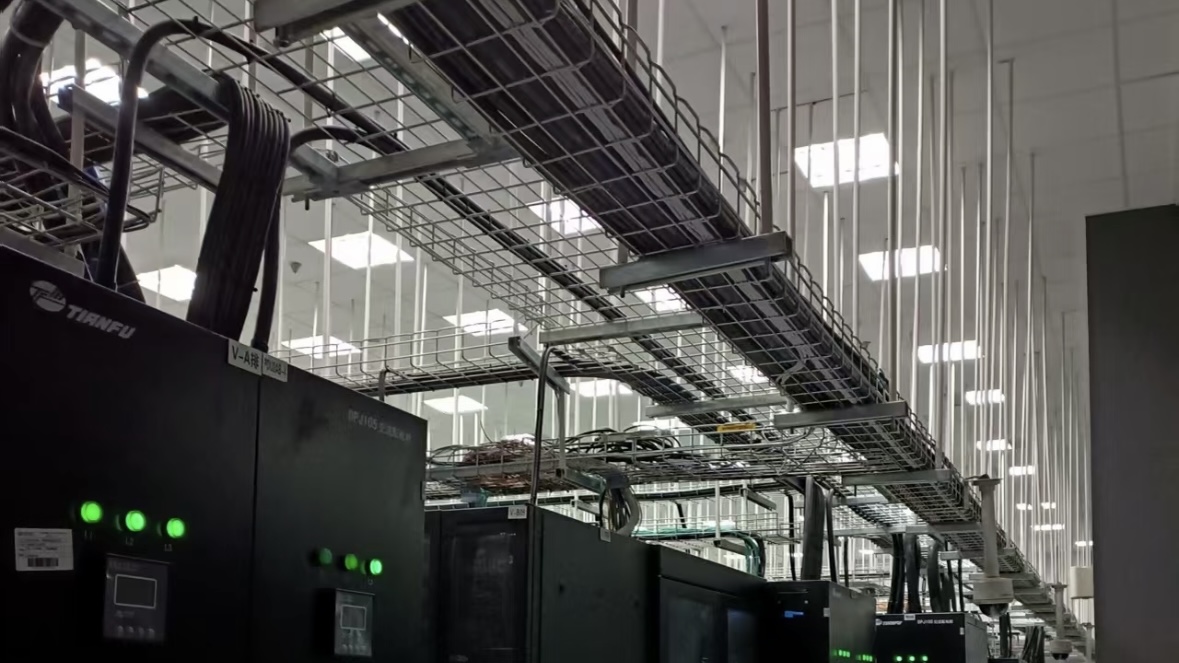
Overhead Cable Tray Zones
Problem: Overhead trays carry many auxiliary wires and short jumpers. Sagging cable bundles block airflow above server racks.
Solutions: Arrange tray cables neatly and clear redundant old cables. Use split sleeves and hook-and-loop cable sleeve for heavy, long-distance trunk bundles. Choose spiral cable wrap for low-density auxiliary wires and short jumpers in low-vibration areas.
Raised-Floor Cold-Air Plenum
Problem: Cables piled under a raised floor prevent cold air from reaching server inlets. Unremoved old cables crowd the plenum and trap heat.
Solutions: Bundle underfloor cables and fully clear abandoned legacy wiring. Use split sleeves for long fixed trunk runs under the floor. Spiral cable wrap is only for short, low-vibration auxiliary bundles.
Test Racks and Pre-Commissioning Temporary Zones
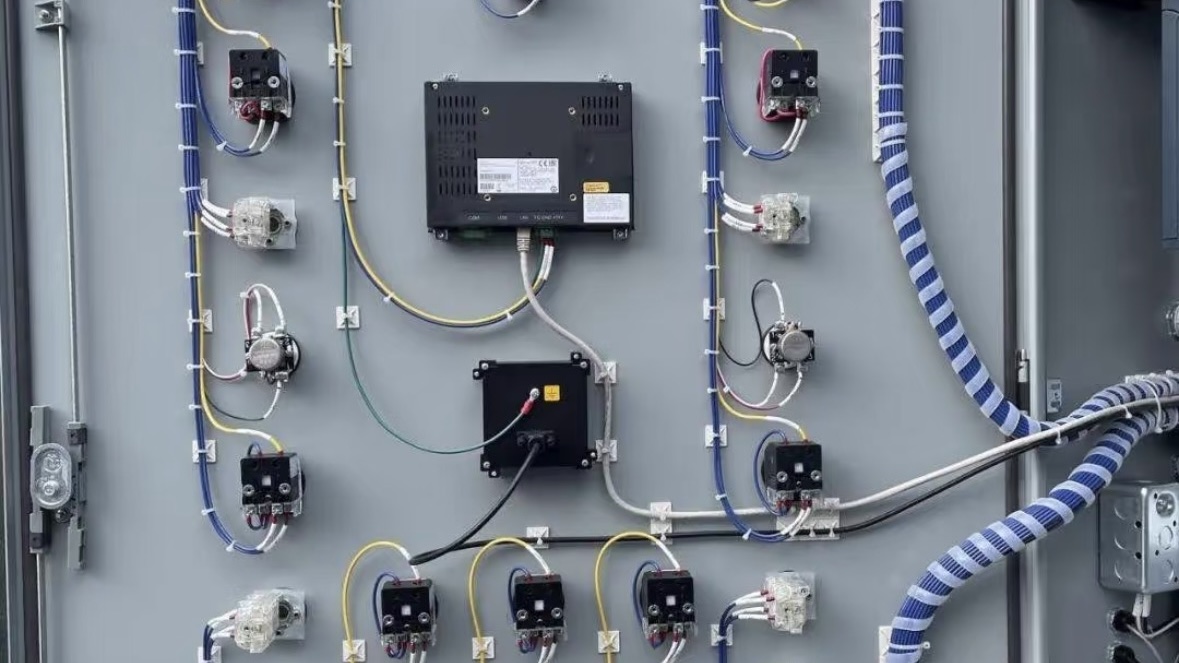
Problem: Test racks need frequent cable changes. Messy temporary wiring disturbs the airflow of nearby production racks.
Solutions: Store temporary wiring with rack-mounted cable managers. Reusable velcro straps work well for repeated regrouping, marking and auxiliary fixing of sleeved harnesses.
Conclusion
Modern data center cooling efficiency hinges on smooth, unobstructed airflow. Professional cable management eliminates hidden airflow barriers and heat accumulation, stabilizing cabinet temperatures. Contact our team for samples and technical support for your data center optimization.
Frequently Asked Questions
Can cable sleeving really reduce data center cooling costs?
Yes. Proper sleeving organizes messy wiring, removes airflow blockages and reduces heat accumulation. This eases the cooling-system burden and lowers ongoing power costs.
Is mesh cable sleeving suitable for live data center retrofits without shutdown?
Yes. Split sleeve wraps pre-terminated cables, so there is no need to disconnect connectors or power down racks during installation.
Are velcro straps enough for long trunk cable runs inside server racks?
Not as the sole solution. Velcro straps provide point fixing only. Long permanent harnesses require continuous mesh sleeving to keep bundles neat and preserve airflow.
Is custom cut length available for bulk data center orders?
Yes. Custom cut lengths are available for bulk orders to reduce on-site cutting work and speed up installation.
Will cable sleeving add extra heat to cable bundles?
Breathable open-style sleeving such as split braided sleeves does not trap heat. Non-breathable fully closed sleeves hold heat inside bundles and should be avoided in data center deployments.
Hey there, I’m Alice!

Get A Quote


Related Post You May Also Like
How Cable Sleeving Protects Automotive Wire Harnesses
[pac_divi_table_of_contents included_headings="off|on|on|off|off|off" exclude_headings_by_class="on" active_link_highlight="on" level_markers_3="icons" title_container_padding="10px|15px|10px|15px|true|false" title_container_bg_color="#333333" body_area_height="650px"...
Ways to Hide Cables Under Your Desk
[pac_divi_table_of_contents included_headings="off|on|on|off|off|off" exclude_headings_by_class="on" active_link_highlight="on" level_markers_3="icons" title_container_padding="10px|15px|10px|15px|true|false" title_container_bg_color="#333333" body_area_height="650px"...
Spiral Wrap Sizing: 9 Mistakes That Ruin Cable Bundles
[pac_divi_table_of_contents included_headings="off|on|on|off|off|off" exclude_headings_by_class="on" active_link_highlight="on" level_markers_3="icons" title_container_padding="10px|15px|10px|15px|true|false" title_container_bg_color="#333333" body_area_height="650px"...

How to Better Protect Your EV Charging Cables
[pac_divi_table_of_contents included_headings="off|on|on|off|off|off" exclude_headings_by_class="on" active_link_highlight="on" level_markers_3="icons" title_container_padding="10px|15px|10px|15px|true|false" title_container_bg_color="#333333" body_area_height="650px"...