
How to Use Cable Ties?

Why Cable Ties Are More Important Than Most People Think?
People often underestimate cable ties, treating them like generic, throwaway items. But the truth is, choosing the right tie—and using it correctly—can prevent power issues, reduce wear on cables, improve airflow in equipment setups, and save hours during repairs.
I remember helping a friend upgrade his home theater system. Every time we needed to swap a cable, we had to fight through a tight knot of wires held together by cheap, over-tightened plastic ties. It turned a simple setup change into a frustrating chore.
That’s when I introduced him to hook and loop cable ties and back to back hook and loop ties. With those, we could adjust cables in seconds, and the whole system instantly looked cleaner and far more professional.
Different Types of Cable Ties and When to Use Each One
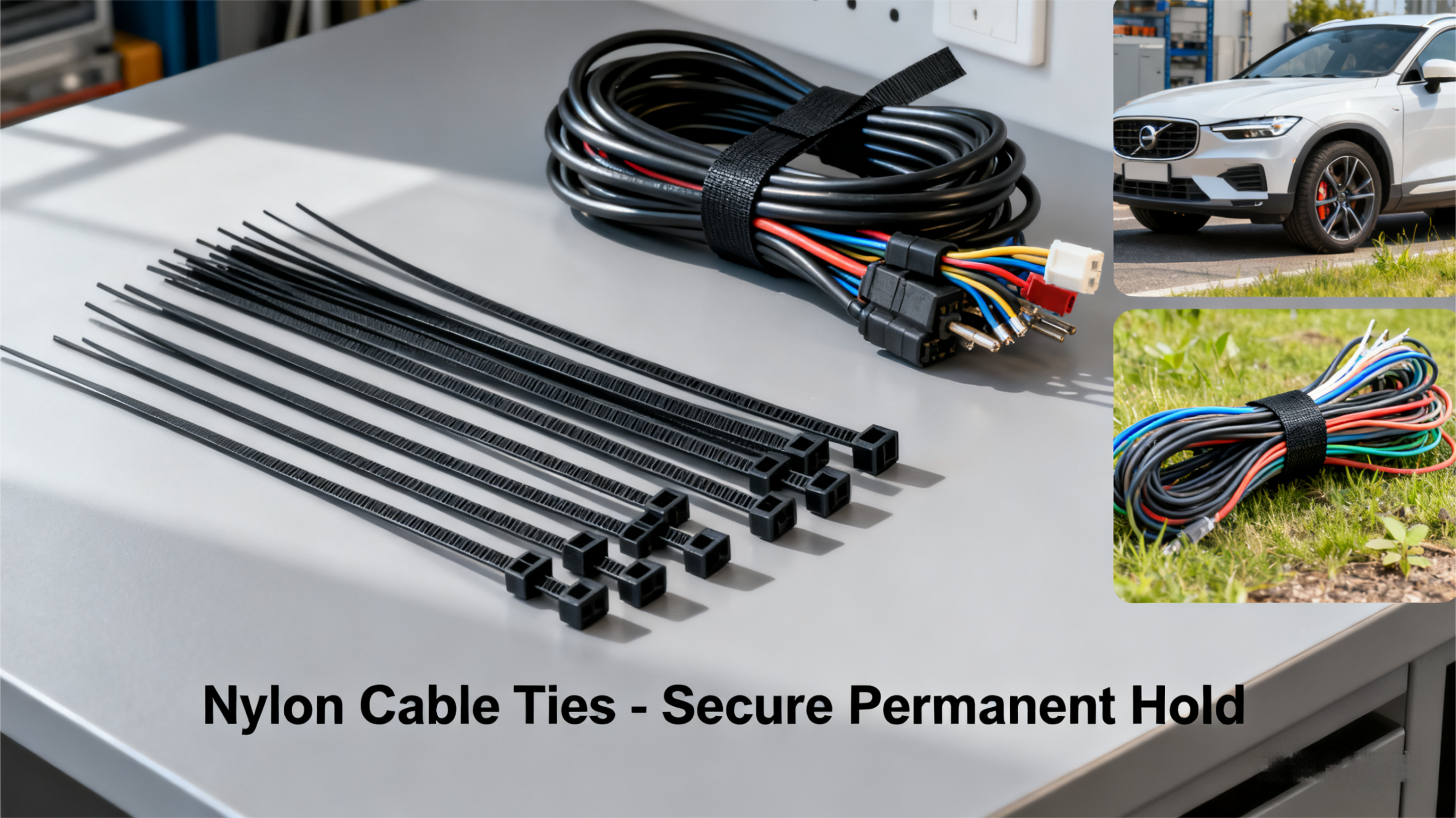
1. Standard Nylon Cable Ties
These are the classic, durable, one-time-use ties most people know. They’re strong and affordable, making them the go-to for long-term bundling.
Use these when:
- You don’t plan to move cables often
- You want a secure, permanent hold
- You’re routing power cables, automotive wires, or outdoor lines
Tip: Pull them tight enough to hold, but not tight enough to pinch. Pinched cables wear out faster.
2. Hook and Loop Cable Ties
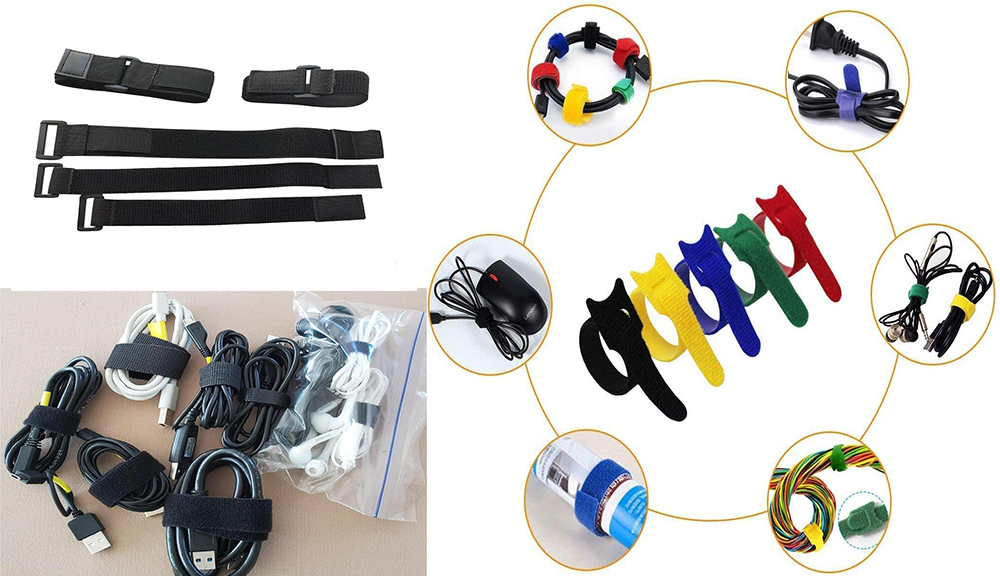
These soft, reusable ties have become incredibly popular, especially for people who regularly adjust or rotate equipment.
They’re ideal for:
- Home office cables
- Server rooms
- Music studios
- Camera equipment
- Temporary setups
Because they’re gentle, they protect cables from pressure damage. And since you can reuse them repeatedly, they’re the most flexible option you can choose.

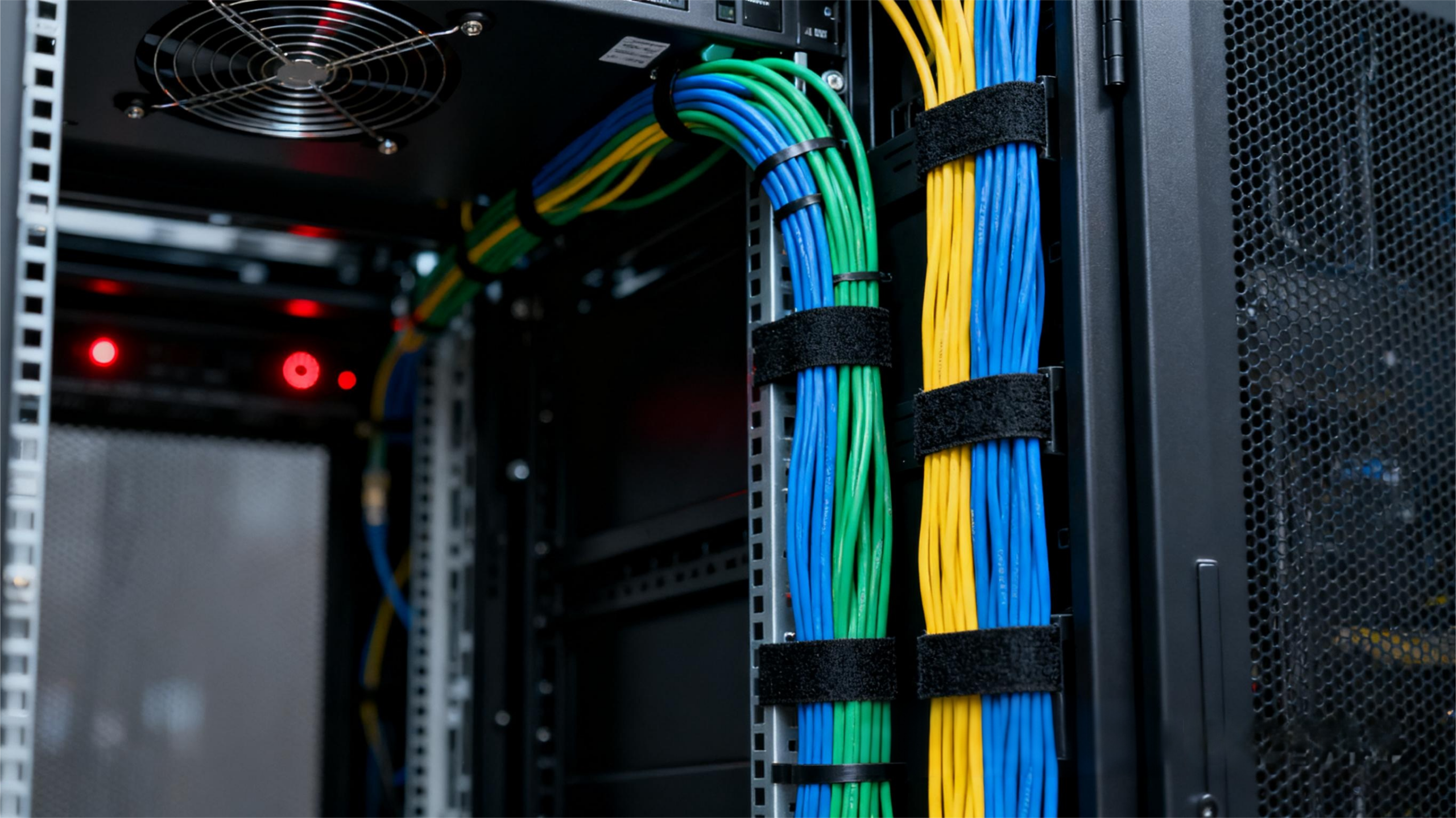
3. Back to Back Hook and Loop Ties
These look similar to standard hook-and-loop straps, but the “back to back” design gives them a stronger grip and the ability to wrap in either direction.
Great for:
- High-density cable management
- Large bundles
- Situations where aesthetics matter (IT racks, audio cabinets)
These ties hold firm yet allow quick adjustments—something nylon ties simply can’t offer.
4.Specialty Cable Ties
There are also some products that are suitable for special circumstances.
- Releasable cable ties: nylon ties with small release tabs
- Mounted head ties: for attaching bundles to walls or server racks
- Colored cable ties: useful for categorizing cables
- Extra-long ties: for industrial bundles or thick wiring looms
Each type has its place, and understanding these differences makes cable management significantly easier.
A Step-by-Step Guide: How to Use Cable Ties Properly
Here’s the method I use when organizing cables professionally. This is the system that turned my chaotic jobs into clean, reliable, easy-to-maintain setups.
1. Group Your Cables First
Separate cables by function:
Power
Data
Audio
Video
Network
Mixing power and data cables often leads to noise interference, so grouping matters more than people realize.
2. Straighten and Align the Cables
Run your hands along the cables and align them in the direction you want them to go. This keeps the final bundle neater.
3. Choose the Right Cable Tie
If you will access the cables again soon, choose hook and loop cable ties.
If it’s a permanent bundle, nylon ties are fine.
4. Tie with Intention, Not Force
Wrap the tie around the bundle and pull until it’s snug—not until it is choking the cables. Over-tightening is the most common mistake I see.
For hook and loop cable ties, just wrap and press.
For nylon ties, trim the excess tail to avoid sharp edges.
5. Space Cable Ties Evenly
For long cables, place a tie every 20–40 cm. It creates a professional look and keeps wires from sagging.
6. Always Leave Slack at the Ends
Do not tie cables right at the connector. Leave 3–5 cm of free length to prevent strain and

Small Practical Tips That Make a Big Difference
These insights come from real, hands-on experience:
1.Always check airflow around equipment—tight bundles can block ventilation.
2.Color-code cables using colored ties for quick identification.
3.For noisy environments, separate microphone and power lines.
4.If you expect future expansion, plan extra space in your cable path.
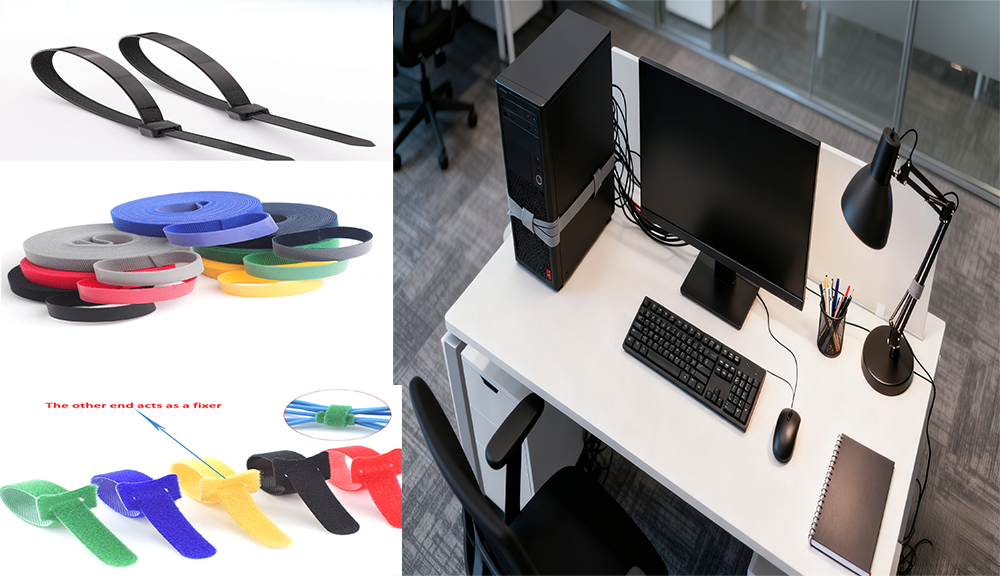
Good cable management isn’t just about making things look neat—it improves performance, protects equipment, reduces troubleshooting time, and keeps future upgrades painless. Whether you’re working on a home office, a data center, a sound studio, or an industrial system, choosing the right cable ties and using them correctly will save time, prevent damage, and create a setup that is easy to maintain for years. With a little planning and the right tools—especially reusable solutions like hook and loop cable ties—you can turn any tangled mess into a clean, efficient, and professional installation.
Hey there, I’m Cheney!

If you have any questions about cable management sleeve protection, feel free to contact me.
Get A Quote


Related Post You May Also Like
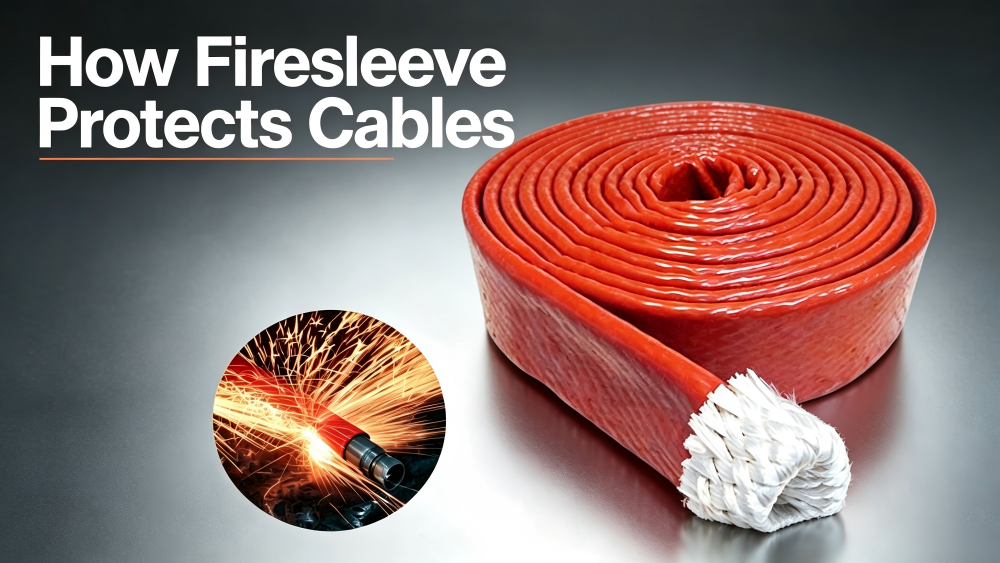
How Fire Sleeve Protects Cables
[pac_divi_table_of_contents included_headings="off|on|on|off|off|off" exclude_headings_by_class="on" active_link_highlight="on" level_markers_3="icons" title_container_padding="10px|15px|10px|15px|true|false" title_container_bg_color="#333333" body_area_height="650px"...
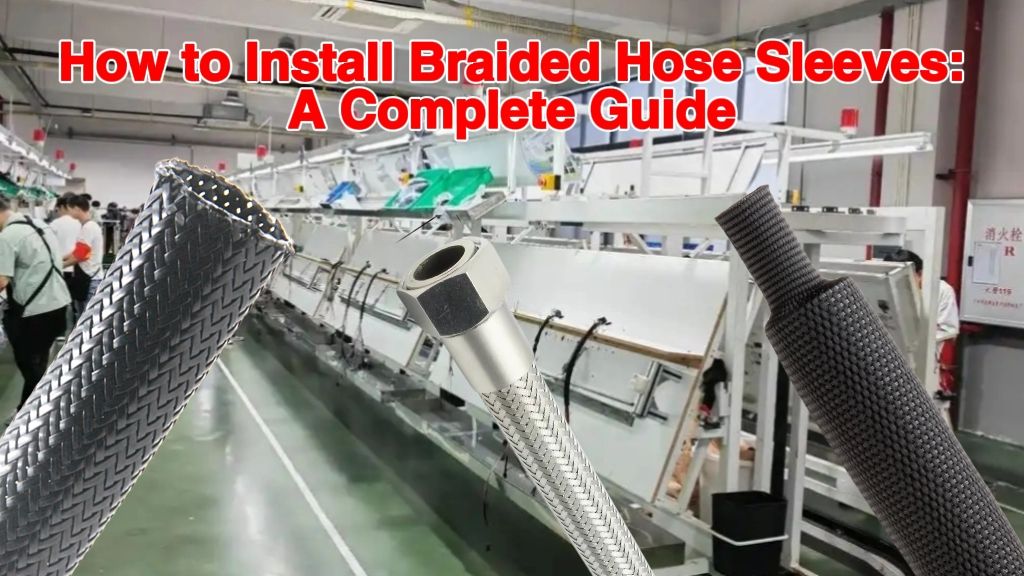
How to Install Braided Hose Sleeves: A Complete Guide
[pac_divi_table_of_contents included_headings="off|on|on|off|off|off" exclude_headings_by_class="on" active_link_highlight="on" level_markers_3="icons" title_container_padding="10px|15px|10px|15px|true|false" title_container_bg_color="#333333" body_area_height="650px"...
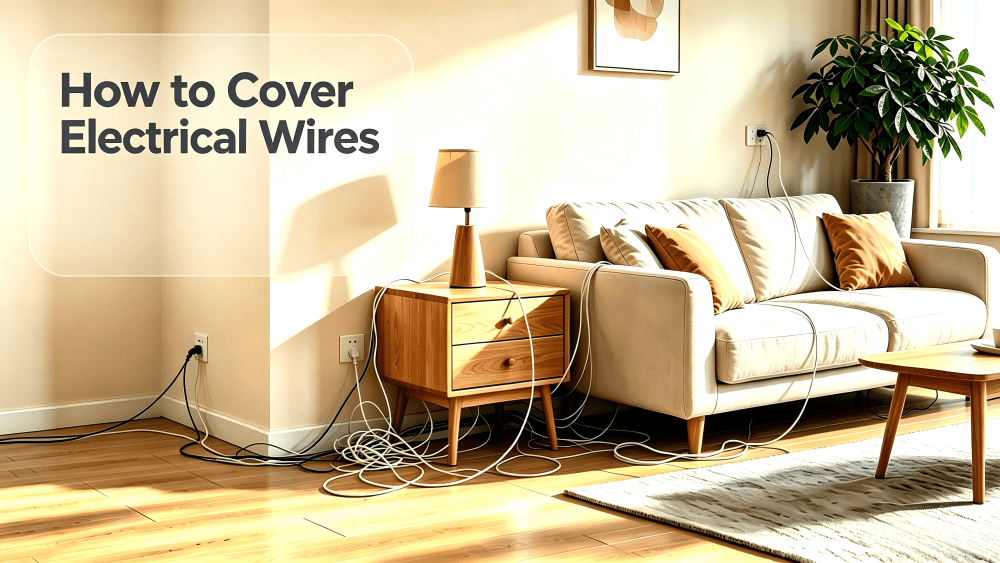
How to Cover Electrical Wires
[pac_divi_table_of_contents included_headings="off|on|on|off|off|off" exclude_headings_by_class="on" active_link_highlight="on" level_markers_3="icons" title_container_padding="10px|15px|10px|15px|true|false" title_container_bg_color="#333333" body_area_height="650px"...
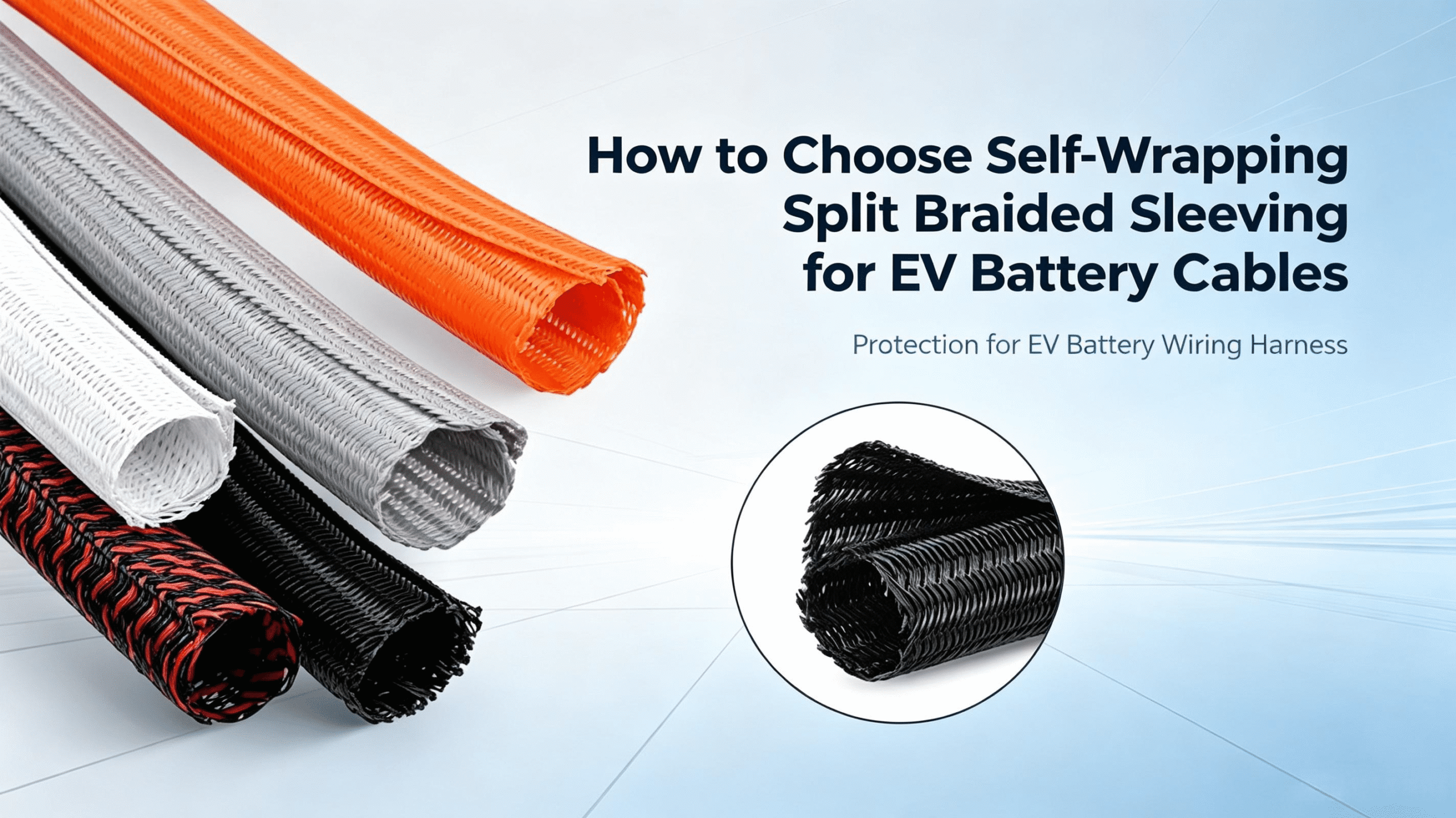
How to Choose Self-Wrapping Split Braided Sleeving for EV Battery Cables
[pac_divi_table_of_contents included_headings="off|on|on|off|off|off" exclude_headings_by_class="on" active_link_highlight="on" level_markers_3="icons" title_container_padding="10px|15px|10px|15px|true|false" title_container_bg_color="#333333" body_area_height="650px"...
0 Comments