
Roll Pack vs Loose Pack Cable Sleeve: Which Is Better for Ocean Shipping? (With Real Damage Case)
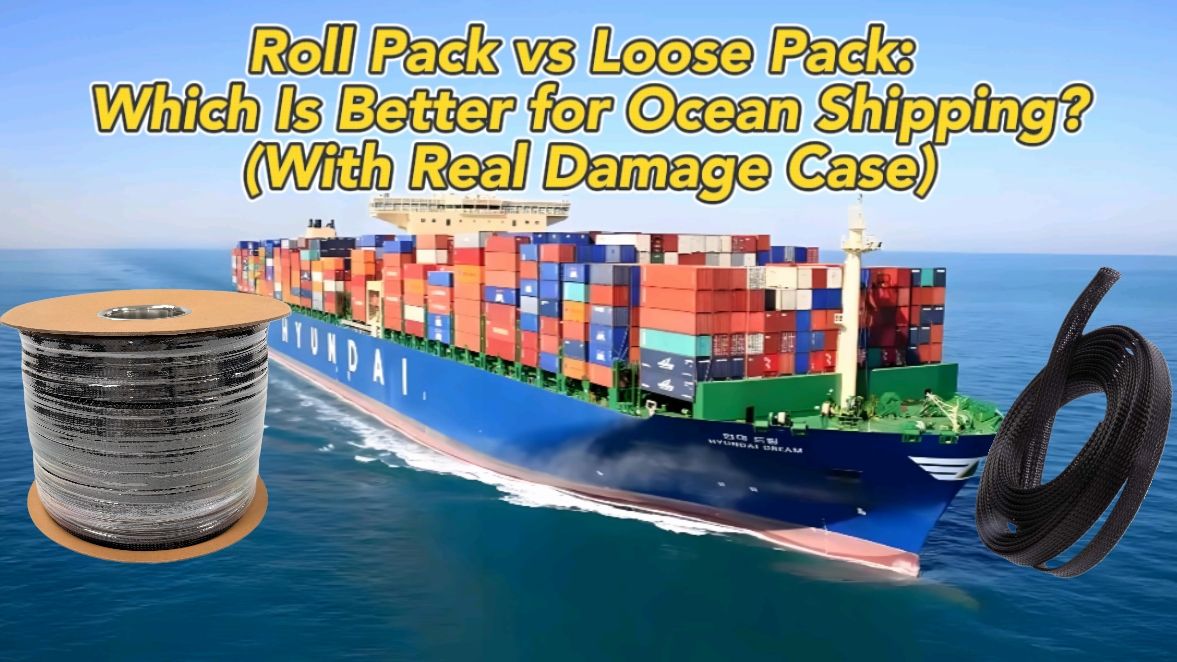
To cut down international shipping costs, many clients tend to choose loose pack cable sleeve packaging for higher container space utilization. However, as a professional cable sleeve manufacturer and reliable braided sleeving supplier, we always recommend standardized roll pack cable sleeve for long-distance ocean shipping.
Why is roll packaging the preferred export packaging solution for cable protection sleeve products? We analyze the core reasons with professional packaging comparisons and real shipping damage cases below.
Truthful Introduction of Two Core Braided Sleeving Packaging Methods
Standardization cable sleeving packaging is the foundation of shipping damage prevention for cross-border cargo. There are two mainstream packaging modes for wire sleeve and cable management sleeve export shipments: cable sleeve roll packaging and bulk packaging cable sleeve (loose pack). Each has distinct structural features, handling modes and application scenarios.
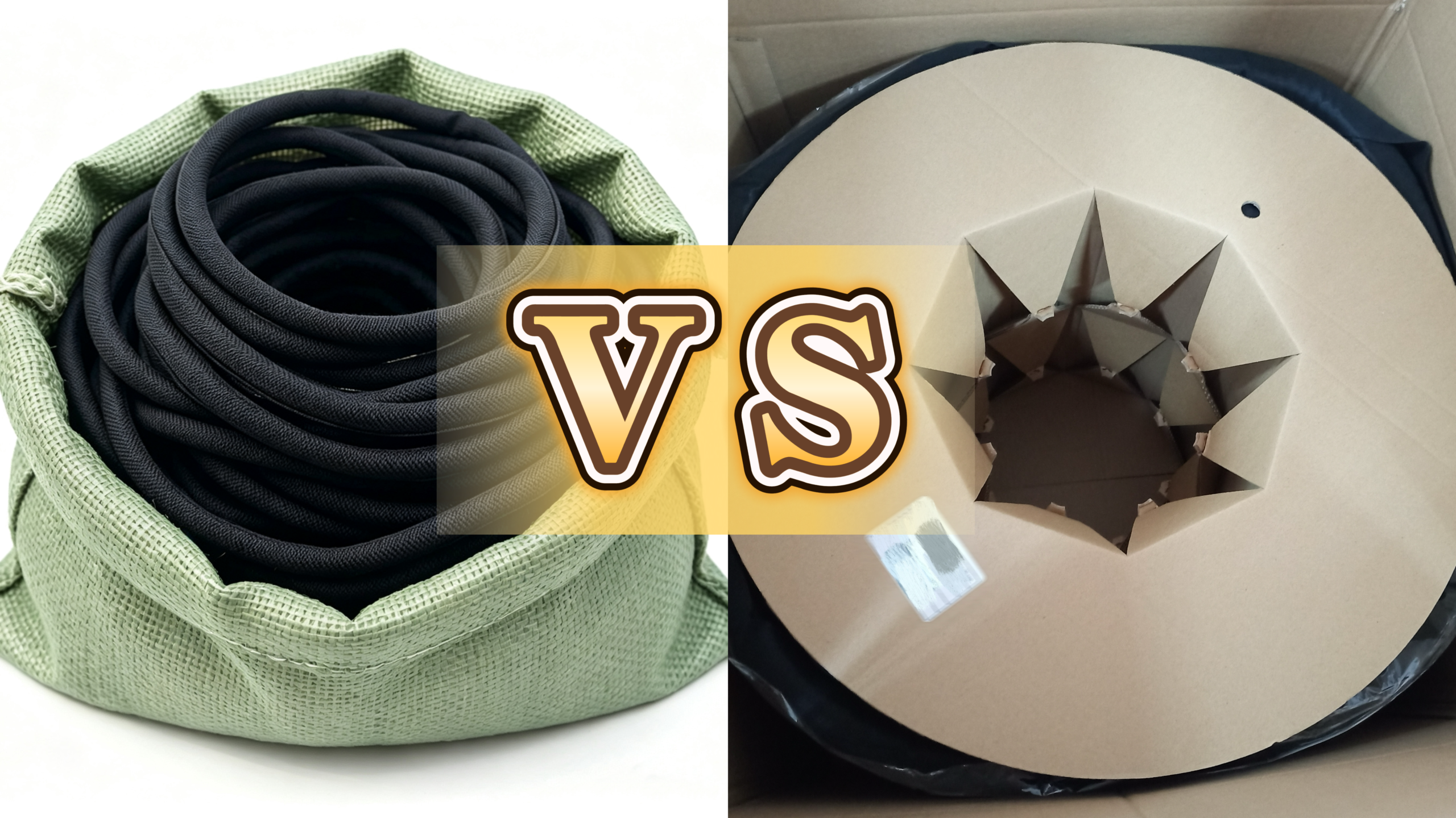
What is Roll-Pack Cable Sleeve?
Roll pack cable sleeve refers to the professional packaging process where qualified braided cable sleeve is neatly and tightly wound onto a standard industrial cable sleeve on spool to form a complete roll. The entire cable sleeve roll is fully wrapped with stretch protective film for dust and moisture resistance. This mature cable sleeving spool packaging is the core of our custom cable sleeve packaging and OEM bulk export solutions.
What is Loose-Pack Cable Sleeve?
Loose-pack cable sleeve, also called bulk packaging cable sleeve, is a packaging method distinct from roll-packed cable sleeves. It does not use winding reels. Instead, finished split cable sleeves and wire protection tubes are loosely placed directly into cartons or woven bags without being wound onto spools. This packaging form can significantly cut down overall packaging volume. However, it creates potential risks during long-distance ocean container transport.
All goods packed in loose style rely on manual layered stacking inside containers, and every loading & unloading step requires manual handling. Without reel support, the unconfined loose sleeves are prone to shifting, tangling, extrusion and deformation during long haul transit.
| Packaging & Shipping Index | Roll Pack Cable Sleeve | Loose Pack Cable Sleeve |
|---|---|---|
| Packing Method | Wrapped with protective film on spool, sealed fully | Packed in common cartons or woven bags, simple sealing |
| Space Utilization | Lower (spool core voids exist) | Higher (tightly stacked to save volume) |
Item-by-Item Comparison: Roll Pack vs Loose Pack Cable Sleeve Packaging for Ocean Shipping
For cable sleeve ocean shipping and long-distance cross-border transportation, packaging quality directly determines cargo integrity. We compare the two cable sleeve bulk packaging modes from 7 core dimensions, focusing on cargo protection and risk control for wholesale and OEM cable sleeve packaging orders.
1. Internal Storage Volume & Freight Cost
Due to the fixed structure of the spool, cable sleeve roll packaging forms a regular cylindrical shape with reserved spool core space, resulting in relatively lower container loading capacity and slightly higher logistics costs. In contrast, loose pack cable sleeve with folded cable sleeving and compressed cable sleeve saves maximum packaging space, allows more cargo per container, and effectively reduces overall shipping costs, which is the main reason why many wholesale clients prefer loose packaging.
2. Packaging Labor and Material Costs
Roll-pack processing requires professional spool winding equipment and protective film sealing procedures. The braided sleeving is fixed in a natural arc shape without forced extrusion, leading to higher packaging material and labor costs. Loose pack only requires simple folding and bagging operations, with no auxiliary materials or complex processes, so the packaging cost forbulk packaging cable sleeve is extremely low.
3. Transport Damage Probability: Crushing, Bending and Deformation
This is the biggest advantage of roll pack in ocean shipping. When wound on a spool, cable sleeve roll maintains a natural arc tension state, completely free from vertical stacking pressure, and effectively avoids cable sleeve compression, creases and flattening during transit. However, loose pack cable sleeve is stacked layer by layer in containers. Under long-term gravity extrusion of upper cargo and continuous hull vibration in long-distance shipping, products are prone to cable sleeve bending, local flattening and permanent cable sleeve deformation, which directly affects product usability.
4. Moisture and Dust Resistance for Long-Distance Shipping
Long-distance international shipping features humid and changeable sea weather. Roll-pack products are fully wrapped with stretch film, forming a tight protective layer that achieves excellent moisture-proof and dust-proof effects. While loose pack cable sleeve only relies on simple cartons or woven bags for protection, with poor sealing performance. Humidity and sea dust easily penetrate the packaging, causing surface contamination and moisture damage to wire protection sleeve products.
5. Insurance Claims Difficulty for Shipping Damage
Standard cable sleeve roll packaging complies with international export packaging specifications and shipping damage prevention standards. Once transport damage occurs, the standardized packaging record makes insurance claims processing smooth and efficient. However, damage of loose-packed products is usually defined as irregular manual stacking and non-standard packaging by insurance companies, resulting in frequent claim rejection and huge economic losses for buyers and suppliers.
6. Applicable Transport Routes & Scenarios
With reliable cargo protection performance, roll pack cable sleeve is fully adapted to long-cycle, bumpy ocean shipping and cross-border container transportation, suitable for formal export bulk orders and custom cable sleeving solutions. Loose pack is only applicable to short-haul coastal transportation and land transportation with short voyages and stable logistics environments, and is not recommended for formal export cable sleeve wholesale orders.
Analysis of Two Real Cable Sleeve Shipping Packaging Cases
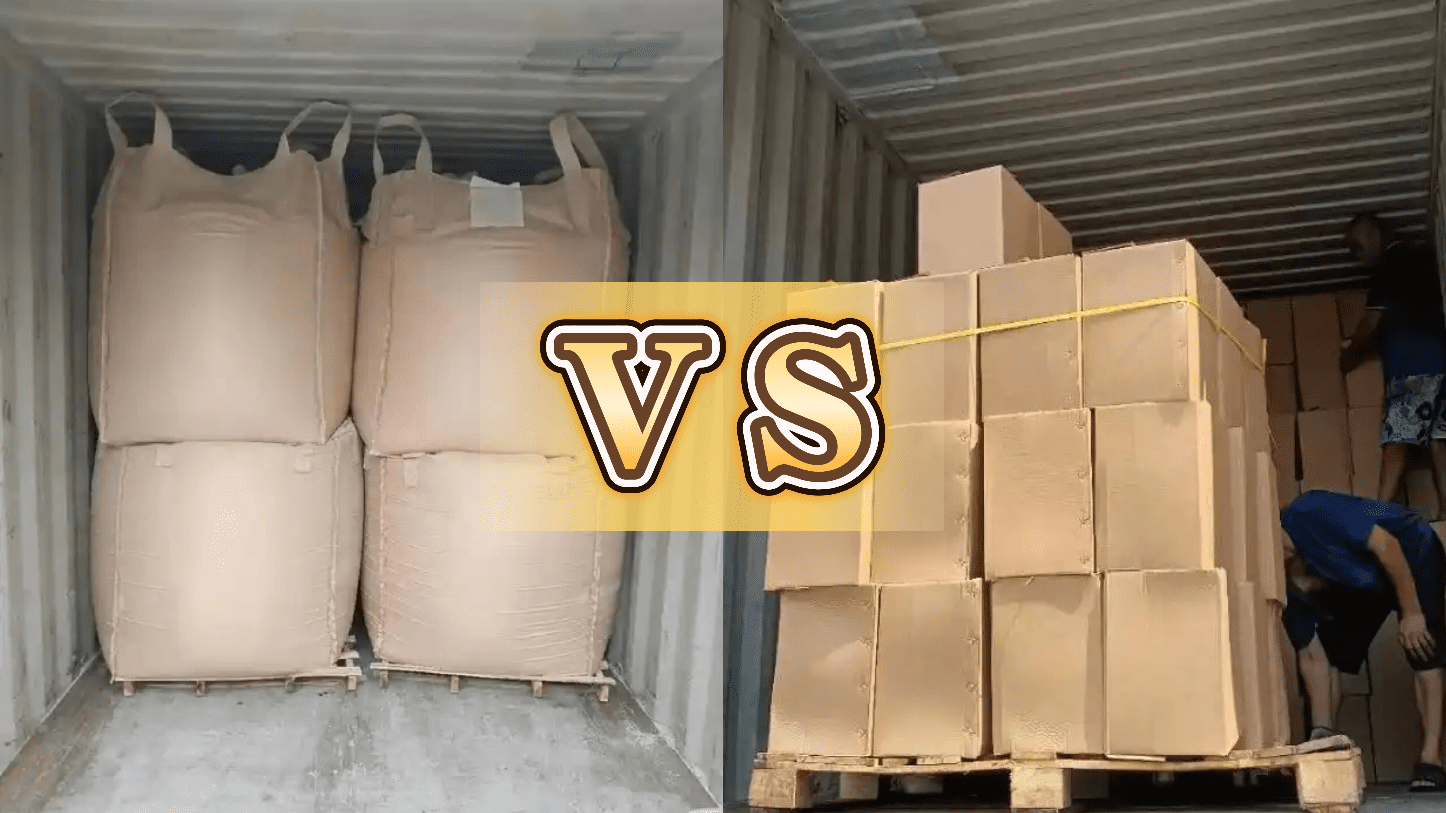
Case 1: Roll-Pack Cable Sleeve Arrives Safely (Zero Damage)
A European client placed a large bulk cable sleeve order of industrial expandable braided sleeving for equipment cable protection. We adopted standard cable sleeve roll packaging, with each cable sleeve on spool tightly wound and fully wrapped with adhesive protective film. After long-term transoceanic container transportation and port unloading, the final inspection showed that allbraided cable sleeve products maintained a complete circular arc shape, with no scratches, bending, cable sleeve deformation or surface abrasion. The cargo passed inspection 100%, and the client completed the receiving process smoothly.
Case 2: Loose-Pack Cable Sleeve Arrives Damaged (Batch Complaint)
For the same batch of cable sleeving packaging products, the client requested to switch to loose pack cable sleeve to save ocean freight. We folded the wire protection sleeve neatly and put them into woven bags, then stacked all packages layer by layer into the container as required. After arriving at the European port, unpacking inspection found severe transport damage: the bottom-layer compressed cable sleeve was squeezed by long-term upper cargo pressure, resulting in widespread creases and flattening. The folded areas had obvious friction wear marks, and partial products lost their original stretch protection performance. The client finally filed a formal complaint and requested batch replacement, causing huge time cost and economic loss for both parties.
Core Summary of Two Packaging Options
Loose pack cable sleeve has two obvious advantages: high container space utilization and low packaging & logistics costs, which can effectively reduce the overall expenditure of cable sleeve wholesale orders. But its fatal flaw is unstable cargo safety—braided sleeving is extremely prone to bending, compression and surface wear during long-distance ocean shipping.
Roll pack cable sleeve has relatively lower loading capacity and slightly longer packaging cycle, but it is the most reliable export packaging solution. The standardized cable sleeve roll packaging mode fixes the product shape stably, avoids all kinds of extrusion damage, and maximally guarantees the integrity of cable management sleeve and wire protection sleeve products in cross-border logistics.
Professional Ocean Shipping Packaging Suggestions
International ocean shipping features long cycles, severe hull bumping and unstable stacking pressure. As flexible industrial protective products, braided sleeving is very sensitive to compression and bending, and is extremely prone tocable sleeve compression and cable sleeve bending damage.
Roll-pack winding on cable sleeving spool keeps products in a natural stress-free arc state, which is currently the safest cargo protection method for export cable sleeve. In contrast, folded loose pack cable sleeve is completely exposed to stacking pressure, and long-term extrusion will cause irreversible deformation.
We only recommend loose pack packaging under two strict conditions: the ocean voyage is less than five days with extremely short transit time, and the client clearly confirms and bears all risks of wire protection sleeve damage and shipping quality problems.
Conclusion
For formal cross-border export and long-distance cable sleeve ocean shipping, roll pack cable sleeve is always the best packaging choice to protect braided sleeving integrity. The slight freight savings brought by loose pack cable sleeve are far from enough to compensate for the economic losses of batch transport damage, replacement costs and order delays. As a professional manufacturer providing custom cable sleeve packaging and OEM cable sleeve packaging services, we always prioritize cargo safety for global bulk procurement clients, and provide targeted custom cable sleeving solutions for different shipping scenarios.
FAQ
Q: The loose-packed cable sleeves risk is so high, why are people still using it?
A: The cable sleeve themselves are not afraid of being crushed or dropped, or the voyage is short. High-value products that are prone to bending are transported by ocean shipping, and no one dares to use loose-packed goods.
Q: How much more expensive is the roll-packed cargo transportation?
A: Usually, it is about ten to fifteen percent more. But this extra cost is equivalent to buying an insurance policy for the entire batch of goods.
Q: Can roll-packed cargo guarantee that it will never get damaged?
A: No. But it can reduce the damage rate from 20-30% in bulk cargo to less than 1%.
Q: If it must be loose-packed cargo, how can the risks be reduced?
A: Control the number of stacking layers, add hard partitions on each layer to disperse pressure, use straps to fix to prevent shifting, fill the gaps with padding to avoid collisions, purchase all risks insurance and take photos throughout the process for record keeping.
Q: What problems are prone to occur with loose-packed cargo during ocean shipping?
A: Movement and collision cause surface wear, uneven stacking leads to bottom deformation, and the counting process after arrival is slow with high labor costs.
Hey there, I’m Ashley!

Get A Quote


Related Post You May Also Like
How Fire Sleeve Protects Cables
[pac_divi_table_of_contents included_headings="off|on|on|off|off|off" exclude_headings_by_class="on" active_link_highlight="on" level_markers_3="icons" title_container_padding="10px|15px|10px|15px|true|false" title_container_bg_color="#333333" body_area_height="650px"...
Spiral Wrap Sizing: 9 Mistakes That Ruin Cable Bundles
[pac_divi_table_of_contents included_headings="off|on|on|off|off|off" exclude_headings_by_class="on" active_link_highlight="on" level_markers_3="icons" title_container_padding="10px|15px|10px|15px|true|false" title_container_bg_color="#333333" body_area_height="650px"...

The Hidden Hero of Electrical Safety: Why Insulation Sleeves Are Often Overlooked
[pac_divi_table_of_contents included_headings="off|on|on|off|off|off" exclude_headings_by_class="on" active_link_highlight="on" level_markers_3="icons" title_container_padding="10px|15px|10px|15px|true|false" title_container_bg_color="#333333" body_area_height="650px"...

Best Cable Sleeves for Home Office Cable Management
[pac_divi_table_of_contents included_headings="off|on|on|off|off|off" exclude_headings_by_class="on" active_link_highlight="on" level_markers_3="icons" title_container_padding="10px|15px|10px|15px|true|false" title_container_bg_color="#333333" body_area_height="650px"...
0 Comments